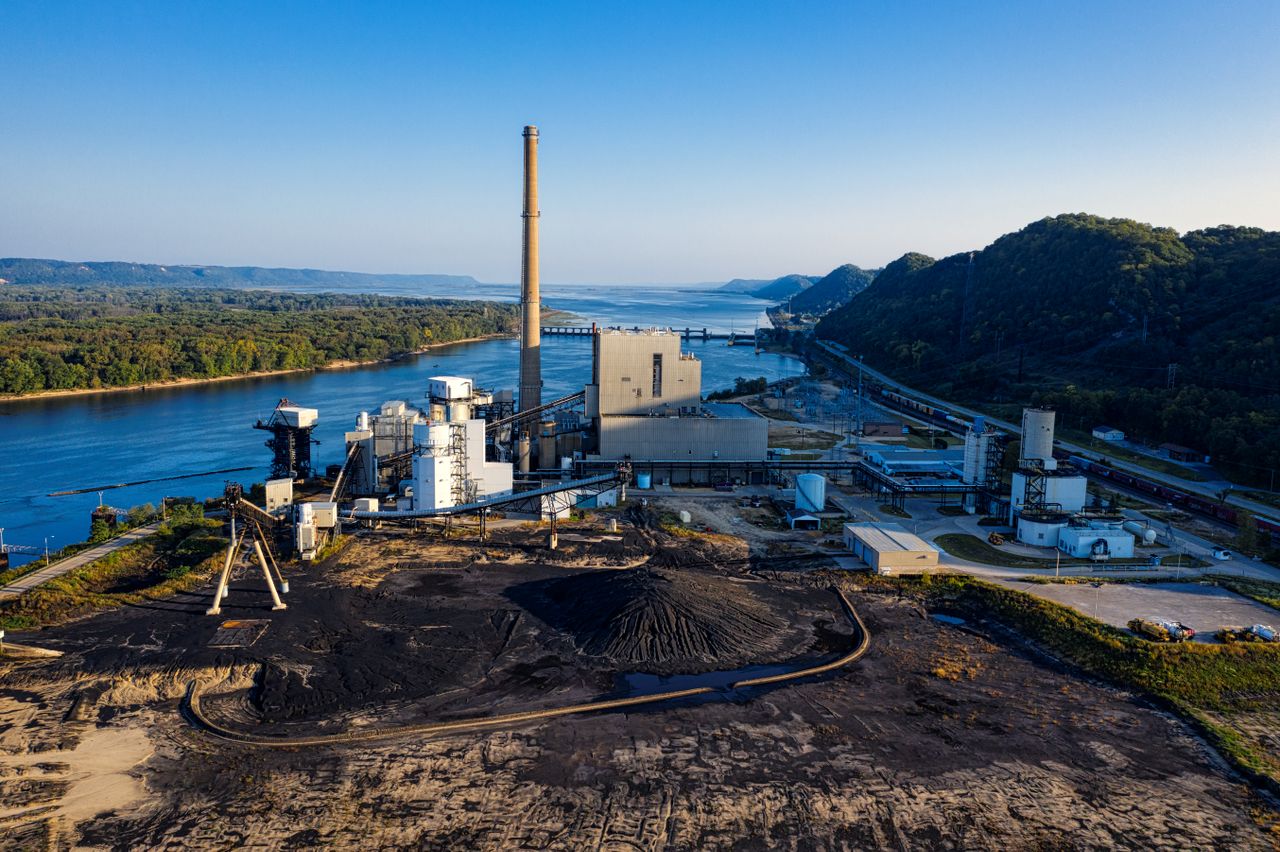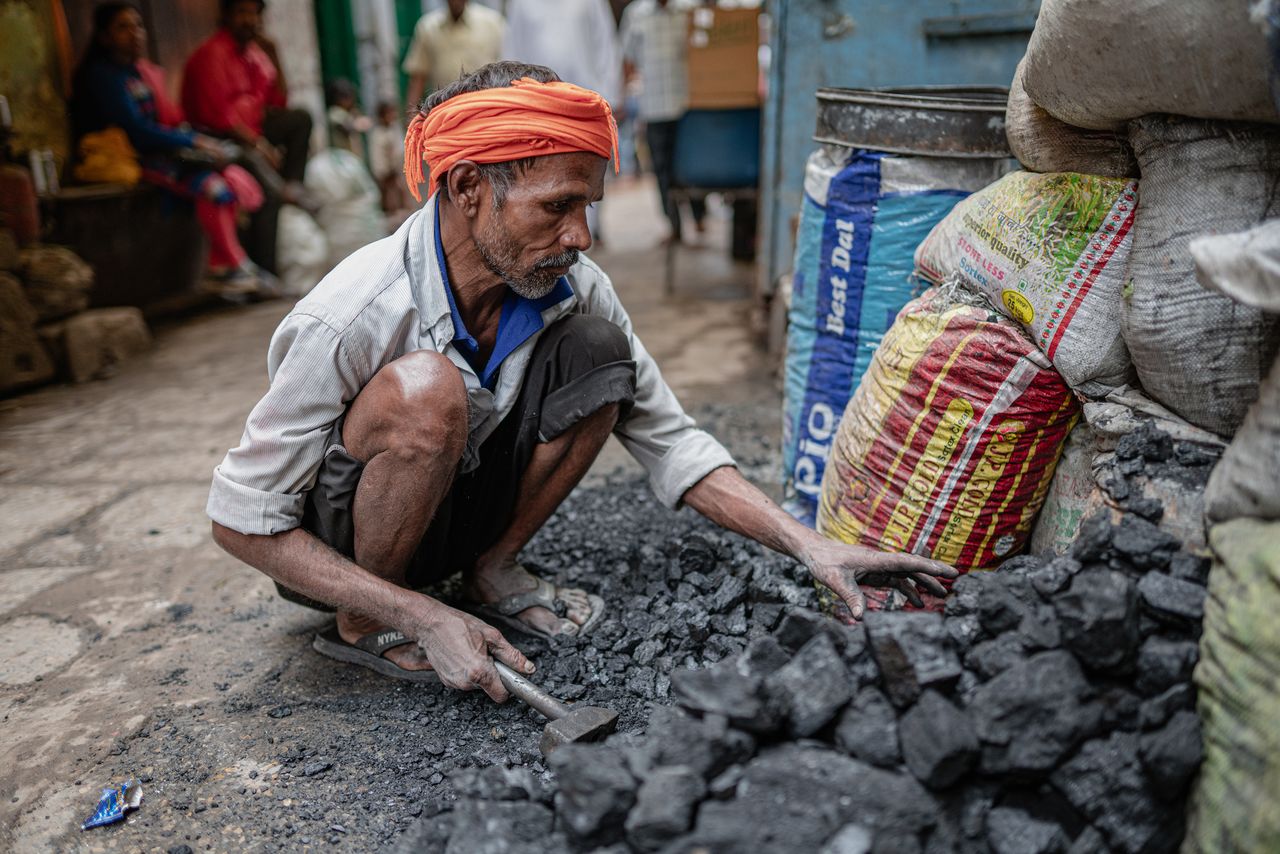
Coal prices keep climbing, carbon reporting requirements keep tightening, and industrial buyers keep looking for a fuel that solves both problems at once. Biomass briquettes have become that answer for a growing number of power plants, cement kilns, and manufacturing facilities worldwide. Made by compressing agricultural and forestry residues into dense, uniform fuel blocks, briquettes deliver coal-like combustion performance with a fraction of the carbon footprint.
Heading into the rest of 2026, the market is shifting from a niche renewable option to a mainstream industrial fuel category, and Asia, led by Indonesia, sits at the center of that shift.
What Are Biomass Briquettes?
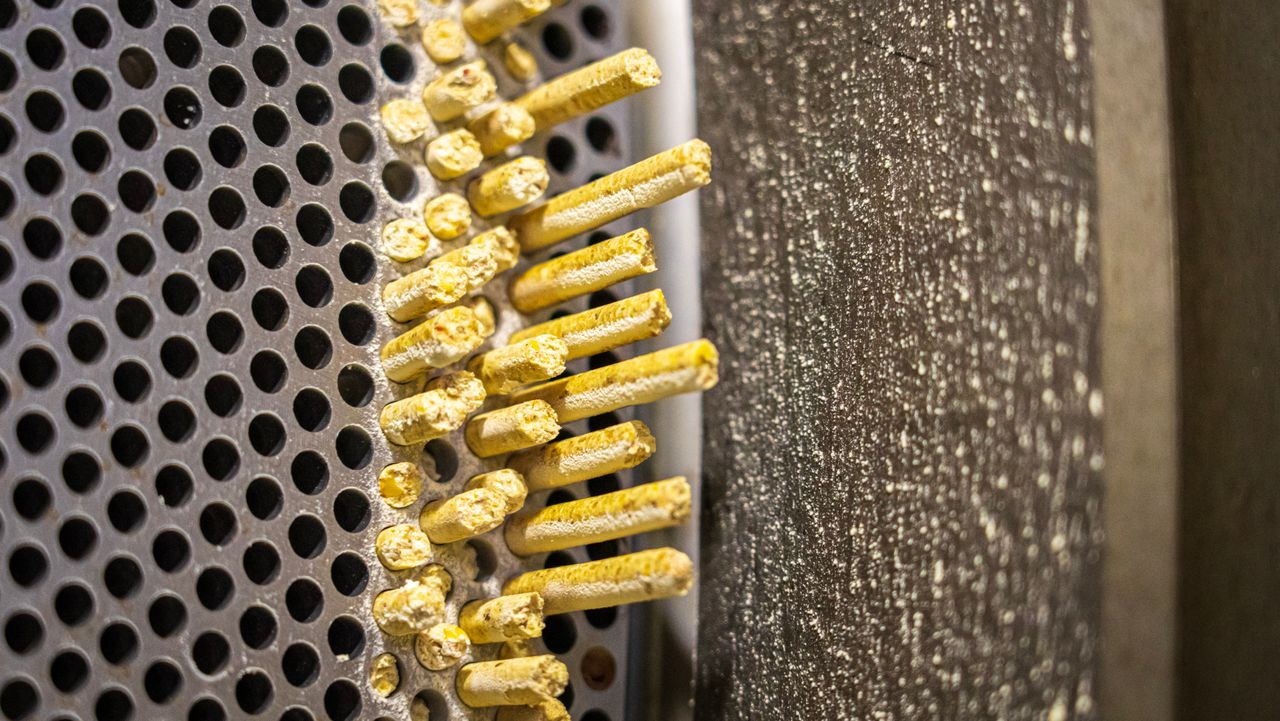
Biomass briquettes are compressed blocks made from residues such as rice husks, corn cobs, coconut shells, sawdust, and other agricultural or forestry waste. The compression process, usually done under high mechanical pressure with little or no added binder, increases energy density and creates a fuel that burns longer, cleaner, and more predictably than loose biomass. This makes briquettes easier to store, transport, and use in existing coal-fired equipment with minimal modification.
Why Demand Is Accelerating in 2026
Three trends are driving briquette demand this year. Governments across Europe and Asia continue tightening carbon reduction targets, pushing industrial buyers toward co-firing and full fuel-switching programs. Energy costs remain volatile, making briquettes an attractive, price-stable alternative to imported coal. And a growing number of manufacturers are treating agricultural waste as a resource rather than a disposal problem, feeding circular economy goals that many corporate buyers are now required to report against.
Market Size and Growth Forecast
Global Market Value in 2026
According to Fortune Business Insights, the global biomass briquette market is projected to grow from roughly USD 1.16 billion in 2026 to USD 2.44 billion by 2034, expanding at a compound annual growth rate of close to 9.8%. That growth is being driven by expanding biomass power generation projects, rising demand for eco-friendly fuel in Europe and Asia, and increased adoption of briquettes in industrial boilers and kilns.
Regional Analysis
- Asia-Pacific dominates both production and exports, with Indonesia, India, and China leading supply thanks to abundant agricultural residues and established processing infrastructure.
- Europe shows strong, policy-driven demand as utilities and manufacturers work to meet carbon reduction targets under national and regional energy frameworks.
- North America is showing rising interest in biomass energy and sustainable heating, particularly among industrial users looking to diversify away from natural gas and coal.
Key Drivers of Market Growth
Renewable Energy Policies
Government incentives and carbon reduction commitments continue to be the single biggest driver of briquette adoption. Bioenergy is formally recognized as a core renewable energy pathway by international bodies such as the International Energy Agency, which tracks its expanding role in the global energy transition, particularly for hard-to-electrify industrial heat.
Cost-Effective Fuel
Compared to coal, biomass briquettes typically offer a more stable cost profile and cleaner combustion, with lower ash and sulfur content. For industrial buyers managing tight energy budgets, that combination of price stability and easier regulatory compliance is increasingly hard to ignore.
Export Opportunities
Indonesia’s abundant agricultural residues, from rice husks to coconut and palm waste, position the country as one of the world’s most competitive briquette suppliers. Established export infrastructure and growing processing capacity give Indonesian producers a real advantage in supplying Asian, European, and Middle Eastern buyers at scale.
Challenges Facing the Biomass Briquettes Market
Supply Chain Limitations
Because briquettes are made from agricultural residues, availability can shift with harvest cycles and seasonal production patterns. Buyers relying on a single feedstock or a single supplier can face gaps in supply during off-season periods.
Quality Variability
Moisture content and calorific value can vary significantly between producers, directly affecting combustion efficiency. For industrial buyers running continuous operations, inconsistent fuel quality translates into unpredictable performance and higher maintenance costs.
Competition from Other Renewables
Solar and wind energy attract more investment and policy attention due to their scalability, which means biomass briquettes must compete for both funding and mindshare even as they solve a different problem, industrial heat and fuel-switching that solar and wind cannot easily address.
Opportunities in the Biomass Briquettes Market
Industrial Applications
Cement, steel, and chemical manufacturers are increasingly adopting briquettes as a cleaner substitute fuel for kilns and furnaces, supporting emissions targets without requiring a full equipment overhaul.
Export Growth
Indonesia and Southeast Asia are well positioned to expand briquette exports to Europe and Asia as demand for traceable, sustainably sourced fuel continues to rise.
Circular Economy Practices
Turning agricultural waste into usable fuel reduces open burning and landfill pressure while creating additional income for the agricultural sector, a model directly aligned with the circular economy principles many buyers are now required to demonstrate in their supply chains.
Biomass Briquettes vs. Wood Pellets: Choosing the Right Fuel
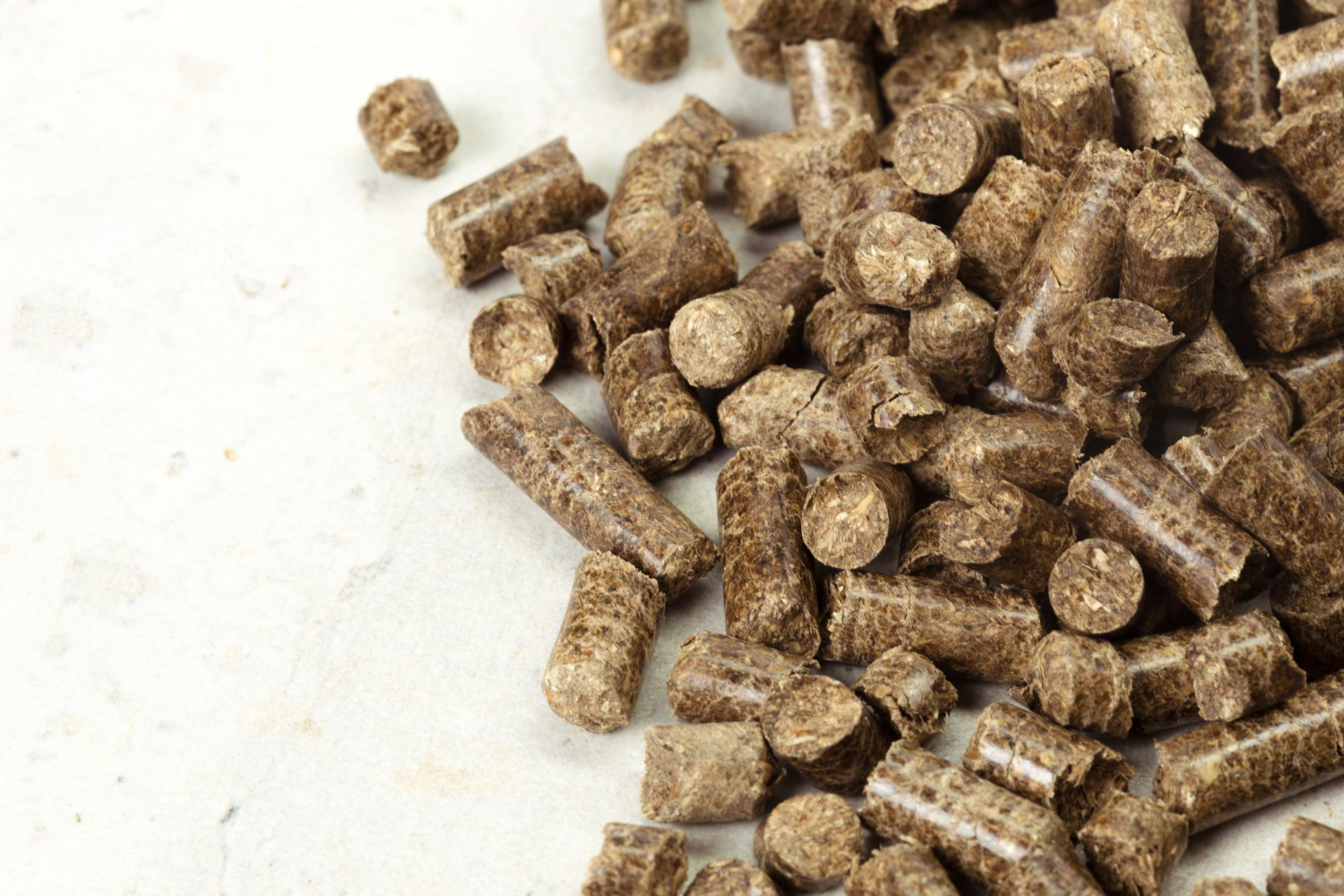
Buyers new to biomass energy often ask whether briquettes or wood pellets are the better fit. Briquettes tend to suit larger industrial boilers and kilns where fuel is fed manually or in bulk, since their larger, denser blocks hold up well in high-heat, high-volume combustion. Wood pellets, by contrast, are better suited to automated feeding systems and smaller-scale heating applications where uniform pellet size matters more than block density. Many industrial buyers ultimately use both, pairing briquettes for base-load heating with pellets for more automated or residential-scale systems.
Sourcing Export-Grade Biomass Briquettes from Tropic World Paradise
PT Tropic World Paradise produces biomass briquettes from mixed agricultural residues, delivering clean-burning, easy-to-store fuel suited to industrial heating, power generation, and cogeneration. As part of a wider portfolio of biomass products, the company supports buyers across Asia, Europe, and the Middle East with consistent quality, competitive pricing, and full traceability from farm to port. Buyers can also read more in the company’s earlier feature on biomass briquette exports and review the company’s approach to sustainability and certifications before placing an order.
Frequently Asked Questions
What are biomass briquettes made from? Biomass briquettes are compressed blocks of agricultural and forestry residues, including rice husks, corn cobs, coconut shells, and sawdust, used as a renewable fuel alternative to coal.
Why is the biomass briquettes market growing in 2026? Growth is driven by tightening carbon reduction policies, rising and volatile coal prices, and increasing demand from industrial boilers, kilns, and power plants seeking cleaner fuel alternatives.
Which regions lead the biomass briquettes market? Asia-Pacific leads global production and exports, led by Indonesia, India, and China, while Europe drives demand through carbon reduction commitments.
What challenges affect biomass briquette supply? Seasonal availability of agricultural residues, variability in moisture content and calorific value, and competition for investment from solar and wind energy are the main challenges.
Why source biomass briquettes from Indonesia? Indonesia offers abundant agricultural residues, competitive pricing, established export infrastructure, and a growing network of suppliers focused on consistent, traceable production.
Ready to Secure a Reliable Supply of Biomass Briquettes?
Whether you need biomass briquettes for industrial boilers, power generation, or cogeneration, Tropic World Paradise offers consistent quality and dependable global supply. Request a Quote or Contact Our Team to discuss your requirements today.