Denmark has quietly built one of the most biomass-dependent energy systems in Europe, and it’s not slowing down. Woody biomass already supplied a majority of Danish district heating over a decade ago, and the country’s own energy planning points toward a system running entirely on biomass within the next decade. For international wood pellet suppliers, that trajectory represents one of the most structurally durable demand stories in the global biomass trade, but only for suppliers who understand exactly how Denmark’s import market actually works.
Denmark’s District Heating System Runs on More Biomass Than Most Buyers Realize
From Majority Share to a 100 Percent Target
According to reporting from Chatham House, woody biomass already supplied 52 percent of Danish district heating by 2012, and Denmark’s own energy planning has set a target of reaching 100 percent biomass-based district heating by 2035. That’s not a modest incremental goal, it’s a near-total transition of one of the country’s core infrastructure systems away from fossil fuels, built substantially on wood pellets, wood chips, and straw combustion in combined heat and power plants.
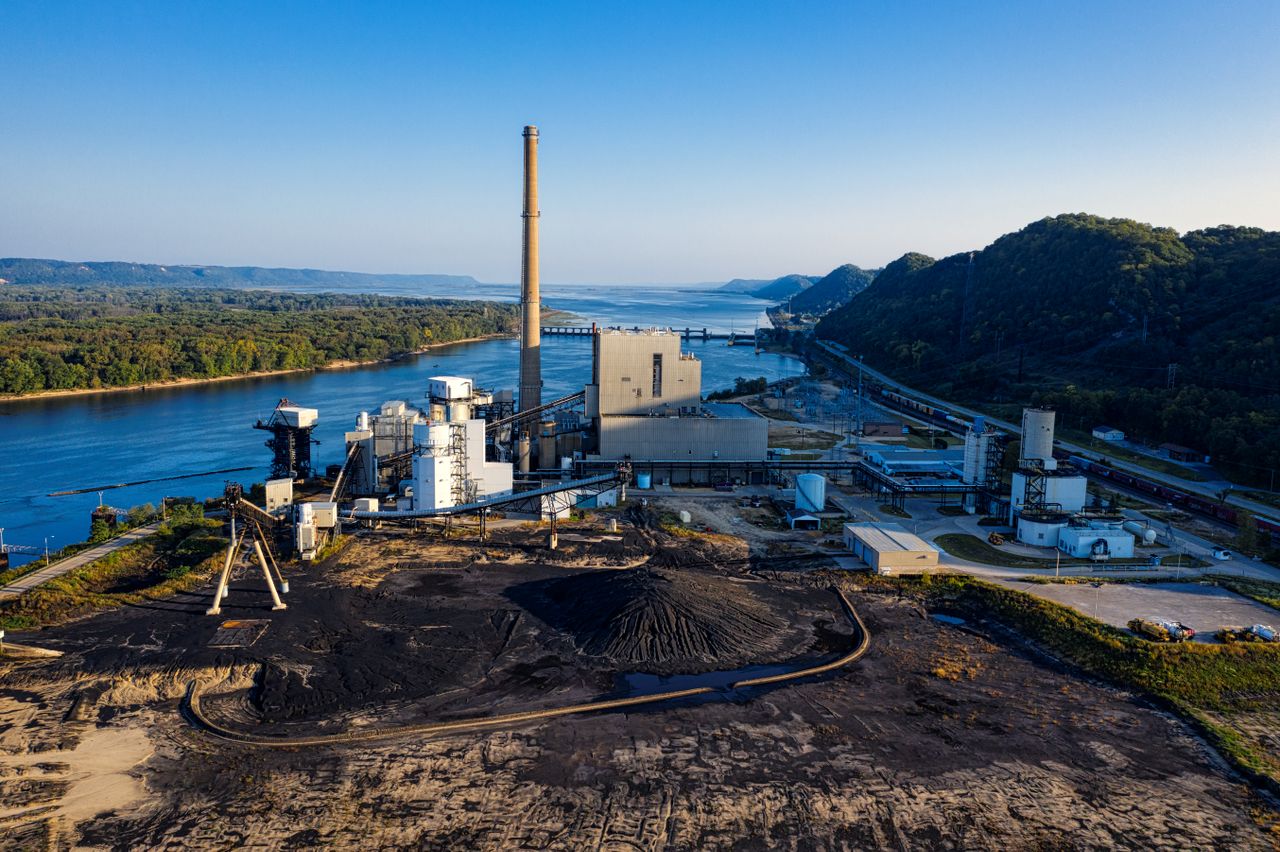
The scale of individual conversions illustrates how significant this shift has been. Ørsted’s Avedøre Power Station near Copenhagen, one of Denmark’s largest, converted from coal and gas to biomass, primarily wood pellets, and now supplies district heating to roughly 215,000 Danish homes while cutting CO2 emissions by an estimated 500,000 tonnes annually, equivalent to removing 255,000 cars from the road. Multiply that kind of conversion across dozens of combined heat and power facilities nationwide, and the resulting pellet demand becomes genuinely enormous.
Denmark Imports the Overwhelming Majority of Its Wood Pellets
Here’s the detail that matters most for international suppliers: Denmark cannot meet this demand domestically. The country has historically ranked as the European Union’s second-largest wood pellet importer after the UK, bringing in between 2.0 and 2.5 million tonnes annually through the mid-2010s, almost entirely to displace coal in large combined heat and power plants. Denmark’s own forestry sector simply isn’t large enough to supply a biomass-dependent energy system at this scale, which is precisely why the country’s district heating transition has always depended on a diversified international supply chain rather than domestic timber alone.
A Supply Base Under Active Realignment
Denmark’s traditional wood pellet import sources have historically included Latvia, Estonia, Russia, Portugal, and Sweden, with growing volumes more recently sourced from North American suppliers through long-term contracts, including a notable supply agreement between Ørsted and US pellet manufacturer Enviva. Given that Russian biomass exports to the EU have been effectively cut off since 2022 under sanctions related to the war in Ukraine, a supply source that once represented a meaningful share of Danish pellet imports has disappeared entirely from the mix, leaving a gap that Baltic, North American, and other international suppliers have had to help absorb. This kind of structural supply realignment is exactly the environment in which new, well-documented international origins can establish a foothold, provided they can meet the sustainability and certification standards Danish utilities require.
Why Certification Isn’t Optional in the Danish Market
SBP Became Standard Practice, Not a Competitive Edge
Danish energy companies, led by Ørsted, were early and influential architects of the Sustainable Biomass Program, an industry-wide certification framework specifically designed to verify sustainable sourcing for woody biomass used in industrial-scale energy production. Because Denmark’s largest buyers helped establish this standard, SBP certification isn’t a nice-to-have differentiator in this market, it’s close to a baseline expectation for any supplier hoping to be considered for a long-term contract with a major Danish utility.
The Sustainability Debate Buyers Should Be Aware Of
It’s worth noting that Denmark’s heavy reliance on biomass for district heating isn’t without domestic controversy. Environmental groups within Denmark have publicly argued that biomass should be treated as a transitional fuel rather than a permanent solution, citing concerns about forest carbon accounting and Denmark’s comparatively low level of dead wood and biodiversity in managed forests. This debate hasn’t reversed Denmark’s biomass targets, but it has reinforced the importance of transparent, third-party-verified sourcing documentation for any supplier operating in this market, since Danish utilities are operating under real public scrutiny regarding where their biomass actually comes from and how sustainably it’s produced.
What International Wood Pellet Suppliers Need to Compete for Danish Contracts
Volume Capacity Matched to CHP-Scale Demand
Danish combined heat and power plants operate at a scale that requires genuinely large, recurring shipment volumes, not the smaller order sizes common in hospitality or light industrial biomass markets. Suppliers need to demonstrate they can sustain the kind of contracted annual volume a major CHP facility requires before being seriously considered as a long-term supply partner.
Full Sustainability Documentation as a Baseline
Given the SBP standard’s prominence in this market and the domestic scrutiny around biomass sourcing, suppliers should expect to provide legality verification, chain of custody documentation, and detailed sustainability data as a standard part of any serious commercial conversation, not as a follow-up request after pricing is agreed.
Calorific Consistency for Automated CHP Feed Systems
Denmark’s CHP plants run automated pellet feed systems calibrated for consistent fuel specifications. Buyers should expect to require laboratory documentation confirming moisture content, ash content, and calorific value for every shipment, since fuel variability at this operational scale creates real maintenance and efficiency costs.
Sourcing Certified Wood Pellets for Nordic District Heating Markets
Tropic World Paradise supplies Wood Pellets engineered for uniform size, low moisture content, and high calorific value, sourced from processing operations across Sumatra and Kalimantan. For buyers building a diversified biomass fuel strategy alongside pellets, our catalog also includes Wood Chips and Biomass Briquettes as complementary fuel options for combined heat and power applications. Every shipment ships with ISO 9001:2015 quality certification, FSC Chain of Custody documentation, SVLK legality verification, and laboratory analysis confirming moisture content and calorific value, giving Nordic utility buyers the documentation foundation needed to evaluate a new, diversified supply origin with confidence.
Frequently Asked Questions
- Why does Denmark rely so heavily on imported wood pellets for district heating? Denmark’s domestic forestry sector isn’t large enough to supply the volume of biomass needed for its district heating system, which has historically imported between 2.0 and 2.5 million tonnes of wood pellets annually to displace coal in combined heat and power plants.
- What happened to Denmark’s wood pellet supply from Russia? Russian biomass exports to the EU have been effectively cut off since 2022 due to sanctions related to the war in Ukraine, removing a source that once represented a meaningful share of Danish pellet imports and creating room for other international suppliers.
- Is SBP certification required to sell wood pellets to Danish utilities? It’s not always a strict legal requirement, but SBP certification has become close to a baseline market expectation in Denmark, since major Danish energy companies helped establish the standard and routinely require it from long-term suppliers.
- What volume of wood pellets do Danish CHP plants typically require? Individual combined heat and power facilities like Avedøre Power Station operate at a scale supplying heat to hundreds of thousands of homes, requiring genuinely large, recurring annual shipment volumes rather than smaller spot purchases.
- Is there controversy around biomass use in Danish district heating? Yes. Some Danish environmental groups have argued biomass should be treated as a transitional fuel rather than a permanent solution, citing forest carbon accounting and biodiversity concerns, which has reinforced the importance of transparent, verified sourcing documentation for suppliers in this market.
Ready to Supply Certified Wood Pellets to Nordic District Heating Markets?
Whether you’re evaluating a diversified supply source for a combined heat and power facility or building a long-term biomass procurement strategy, Tropic World Paradise can structure a shipment that matches your volume, calorific, and certification requirements. Request an instant quote or browse our full biomass product catalog to compare options before you order.