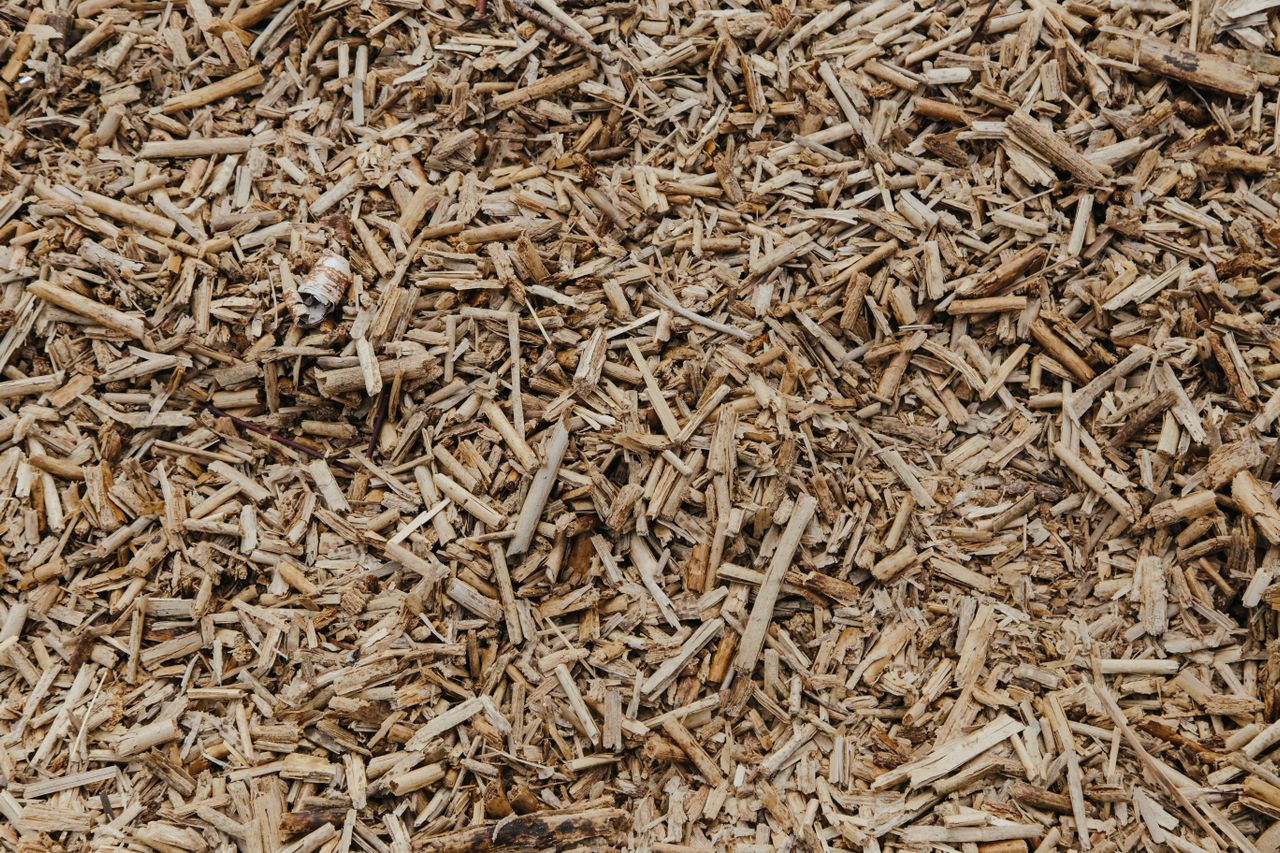
Japan’s biomass products from Indonesia have moved from a secondary supply option to one of the fastest-growing import relationships in Asia’s renewable energy trade. Trade data now shows Indonesia accounting for the majority of Japan’s palm kernel shell (PKS) imports and a rapidly expanding share of its wood pellet purchases, driven by a combination of pricing, shipping proximity, certification alignment and more recently global market instability pushing Japanese buyers toward more diversified, larger-volume contracts. For Indonesian exporters and the buyers, traders, and power plant operators who work with them, understanding why this shift is happening is essential to reading where the market goes next.
The Numbers Behind Japan’s Rising Biomass Demand from Indonesia
The scale of this growth is visible in recent quarterly trade figures. According to Japanese finance ministry data reported by Argus Media, Japan imported a quarterly record of 649,000 tonnes of PKS in a recent third quarter, up 21% on the quarter and 53% on the year — with Indonesia remaining Japan’s primary PKS supplier, accounting for 74% of that total volume. Imports from Indonesia specifically rose 13% quarter-on-quarter and 37% year-on-year during the same period. Wood pellet imports followed a similar trajectory, with Japan importing 530,000 tonnes in the same quarter, up 29% on the year.
This growth isn’t a short-term blip. Research from the University of Washington’s Center for International Trade in Forest Products (Cintrafor) has tracked a sustained multi-year expansion in Japan’s biomass import demand, noting that as Japan’s biomass power plant capacity has expanded under the country’s Feed-in Tariff program, wood pellet import volumes have repeatedly outpaced projections even as FIT purchase prices have gradually declined.
Why Japanese Buyers Are Increasingly Choosing Indonesian PKS and Wood Pellets
Price and Proximity Advantages
Indonesian PKS has consistently traded at a meaningful discount to alternative origins. Argus Media price assessments have shown Indonesian PKS meeting Japan’s Feed-in Tariff requirements trading in the range of $93–102 per tonne fob east coast Sumatra, compared with Vietnamese wood pellets meeting the same FIT requirements assessed well above $150 per tonne fob. Combined with shorter shipping distances than North American or European origins, this pricing gap gives Indonesian suppliers a structural cost advantage that has become increasingly attractive as Japanese buyers face rising freight and fuel costs elsewhere in their supply chains.
SVLK Certification and Japan’s Sustainability Requirements
Certification has become just as important as price in this relationship. Indonesia’s Sistem Verifikasi Legalitas Kayu (SVLK) the country’s timber legality assurance framework is widely referenced as meeting the sustainability verification standards Japanese biomass buyers require to qualify fuel under FIT-compliant procurement. As global biomass supply chains face growing scrutiny, suppliers who can provide clean SVLK documentation alongside quality specification data have a real advantage over those offering commodity-grade material without traceable origin records.
Market Volatility Is Pushing Japanese Buyers Toward Larger Indonesian Contracts
A more recent trend has added urgency to this shift. Reporting from Argus Media in 2026 described how several Japanese biomass power producers began securing fuel through larger bilateral negotiations rather than smaller spot purchases, citing an uncertain market outlook tied to conflict in the Middle East and its impact on upstream freight and fuel costs. In one documented case, a Japanese independent power producer purchased over 200,000 tonnes of Indonesian PKS in a single bilateral deal, spanning deliveries from early May through late December, specifically to reduce exposure to market instability. Operating costs across the PKS supply chain including barges, screeners, and heavy machinery were reported to be running 25–35% higher than usual during this period, adding further pressure on buyers to lock in secure volume rather than compete for spot cargoes later.
This pattern reflects a broader shift in how Japanese buyers are approaching Indonesian biomass: less as a flexible, secondary sourcing option and more as a core pillar of long-term fuel security planning.
Sourcing Responsibly: Why Traceability Matters as Scrutiny Grows
It’s worth being direct about a tension in this growth story. Environmental researchers have raised legitimate concerns about the pace of Indonesia’s wood pellet export expansion a join investigation reported by Mongabay documented cases where rainforest clearing was tied to energy forest plantation development supplying wood pellet mills for Japanese and Korean buyers. This is exactly why the certification and traceability standards discussed above matter beyond simple compliance box-ticking: buyers and suppliers who can demonstrate legally verified, sustainably sourced material are positioned very differently commercially and reputationally from those who cannot, particularly as international attention to Southeast Asian biomass supply chains continues to increase.
For Indonesian exporters, this means documented, verifiable sourcing isn’t a marketing angle it’s increasingly the entry ticket to serious, long-term contracts with Japanese buyers who are themselves under growing pressure to demonstrate responsible procurement to their own regulators and stakeholders.
What This Means for Buyers and Exporters Going Forward
Taken together, the pricing advantage, shipping proximity, SVLK certification alignment, and Japan’s growing preference for secure long-term volume all point toward continued growth in Japan’s biomass sourcing from Indonesia provided that growth is anchored in traceable, certified supply chains rather than opportunistic short-term sourcing. Buyers evaluating Indonesian wood pellet and PKS suppliers for the Japanese market should treat documentation quality as seriously as price when building a long-term procurement relationship. Readers interested in the specific product specifications and certification details relevant to this market can find more detail on our dedicated wood pellet and PKS supplier page for Japan.
Frequently Asked Questions
- How much of Japan’s PKS imports come from Indonesia? Indonesia has accounted for roughly 74% of Japan’s total PKS import volume in recent quarterly trade data, making it Japan’s primary PKS supplier by a significant margin.
- Why is Indonesian PKS cheaper than wood pellets from other origins? Indonesian PKS benefits from lower production costs, shorter shipping distances to Japan compared with North American or European origins, and abundant raw material supply from Indonesia’s palm oil processing industry.
- What certification do Japanese buyers require from Indonesian biomass suppliers? Japanese buyers generally require documentation aligned with Indonesia’s SVLK (Sistem Verifikasi Legalitas Kayu) timber legality framework, which is widely recognized as meeting the sustainability verification standards required under Japan’s Feed-in Tariff program.
- Why have Japanese buyers started signing larger bilateral biomass contracts? Market instability tied to conflict in the Middle East and its impact on freight and fuel costs has pushed several Japanese biomass power producers toward larger, longer-term bilateral purchases to secure fuel supply and reduce exposure to spot market volatility.
- Are there sustainability concerns tied to Japan’s growing biomass imports from Indonesia? Yes. Environmental researchers have raised concerns about deforestation risk linked to rapid wood pellet export growth in parts of Indonesia, which is why buyers increasingly prioritize suppliers who can demonstrate SVLK-certified, traceable sourcing.
Ready to Source Certified Wood Pellets or PKS for the Japanese Market?
Whether you’re planning a long-term supply contract or evaluating a new origin to diversify your Japan-facing biomass procurement, our team can walk you through specification, SVLK certification, and current shipping options.