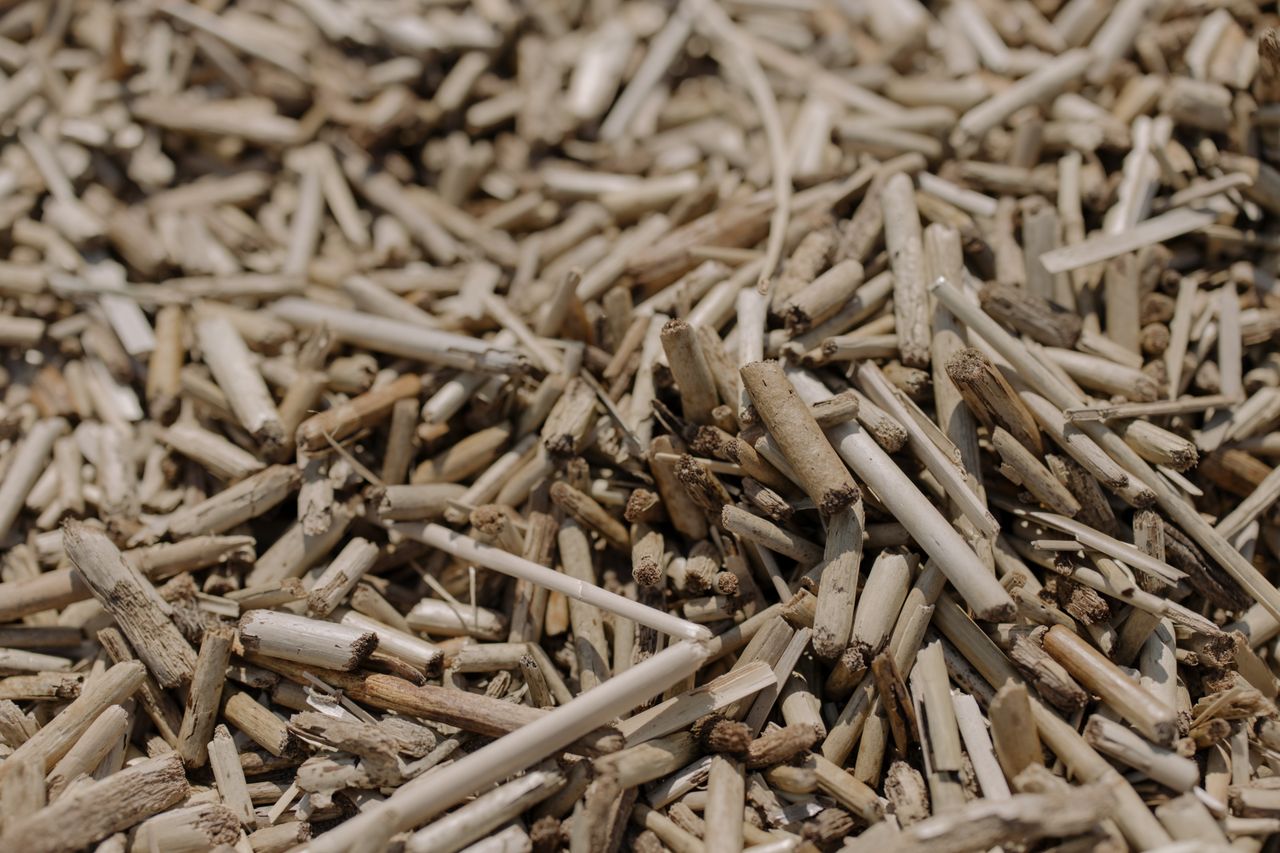
China as a buyer of Indonesia’s biomass products holds a different position depending on which product category you’re looking at, and that distinction matters for anyone trying to understand where the real opportunity sits. China does not lead Indonesia’s fuel-grade wood pellet and PKS exports that position belongs to Japan and South Korea, whose Feed-in Tariff and Renewable Portfolio Standard programs drive dedicated demand for certified biomass power fuel. Where China genuinely does lead is in bulk biomass raw materials the high-volume wood shavings, wood chips, and carbon-based materials that feed China’s enormous manufacturing, livestock, and industrial processing base. Understanding that distinction is the key to understanding why China represents one of Indonesia’s most significant biomass trading partners, even without topping every single product category.
Where China Actually Ranks in Indonesia’s Biomass Export Mix
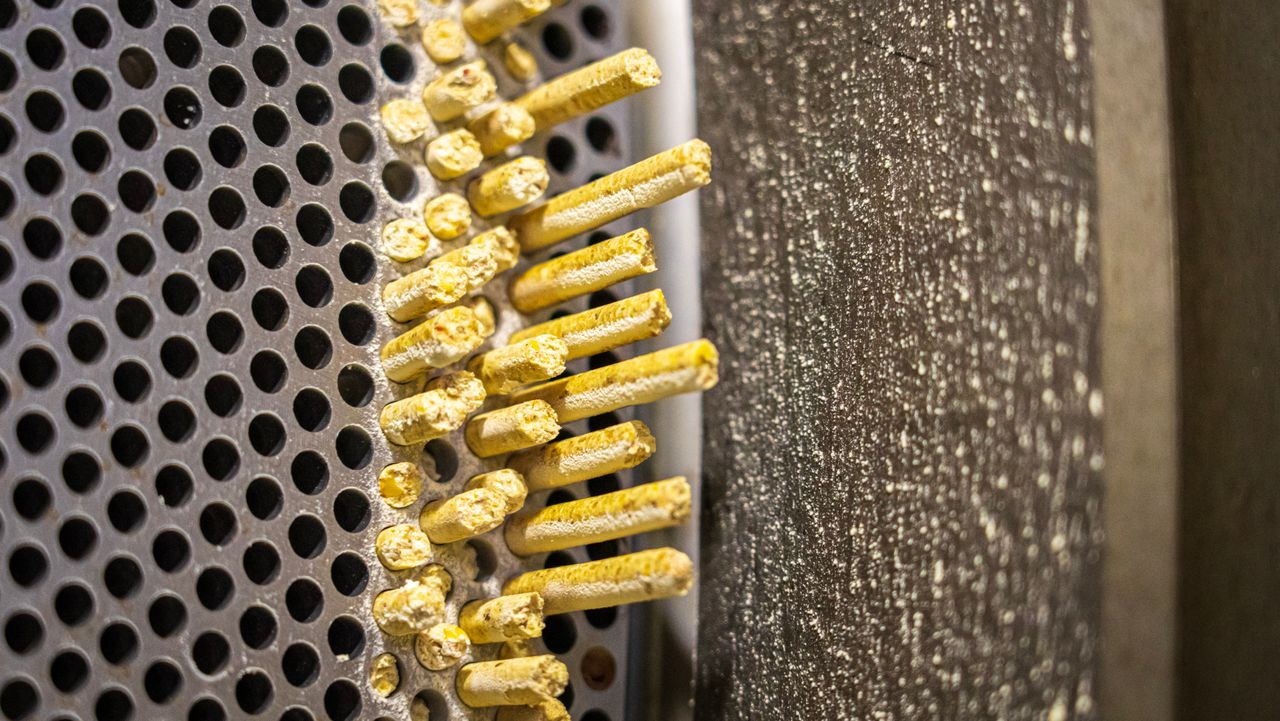
It’s worth being precise about the numbers here, because overstating China’s position in every category would misrepresent a genuinely interesting trade relationship. For fuel-grade wood pellets specifically, industry data on Indonesian wood pellet exports lists South Korea, Japan, China, India, and Germany as the top destination markets, with China holding a solid but third-place position behind the two Northeast Asian power markets whose renewable energy mandates create the strongest dedicated demand.
There’s also an important structural nuance worth understanding: China itself functions as one of Asia’s major wood pellet exporters, alongside Thailand, Vietnam, Indonesia, and Malaysia, while Japan and South Korea remain the region’s primary importers. This means China’s relationship with Indonesian biomass isn’t simply “importer buying from producer” in the way Japan’s or Korea’s is — China is simultaneously a producer, processor, and buyer, sourcing specific raw material categories from Indonesia to feed its own vast downstream manufacturing and processing industries rather than purely for power generation fuel.
Why China Leads in Bulk Raw Material Categories
Wood Shavings for China’s Massive Livestock Industry
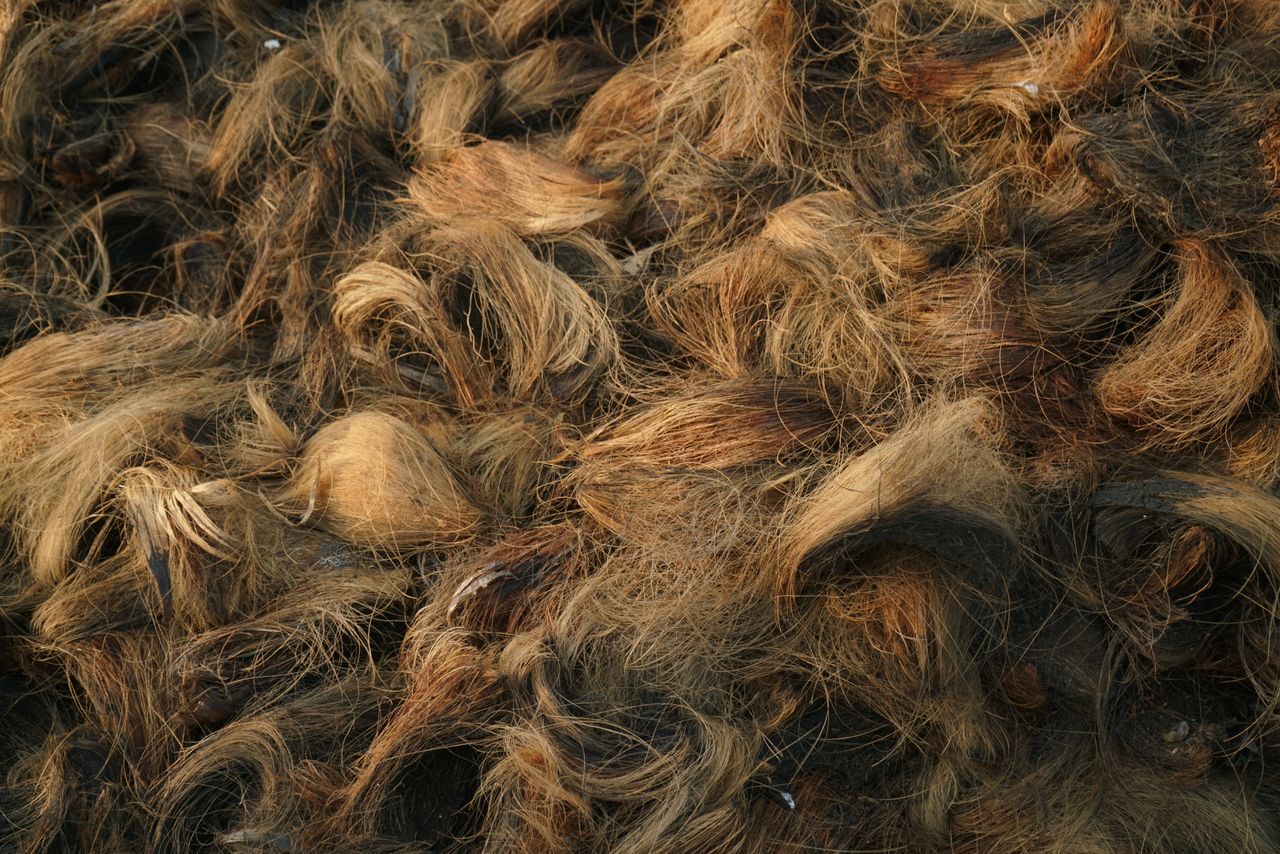
China’s position as the world’s largest producer of pigs and poultry translates directly into enormous demand for animal bedding material, and wood shavings are the dominant product in that category globally. As China’s livestock sector has consolidated into larger, more standardized, biosecurity-conscious operations over the past several years, the volume requirement for consistent, hygienic bedding material has scaled accordingly and few countries can match Indonesia’s combination of abundant wood processing residue and export infrastructure built to serve exactly this kind of high-volume, recurring bulk order.
Carbon Powder for Chemical and Metallurgical Manufacturing
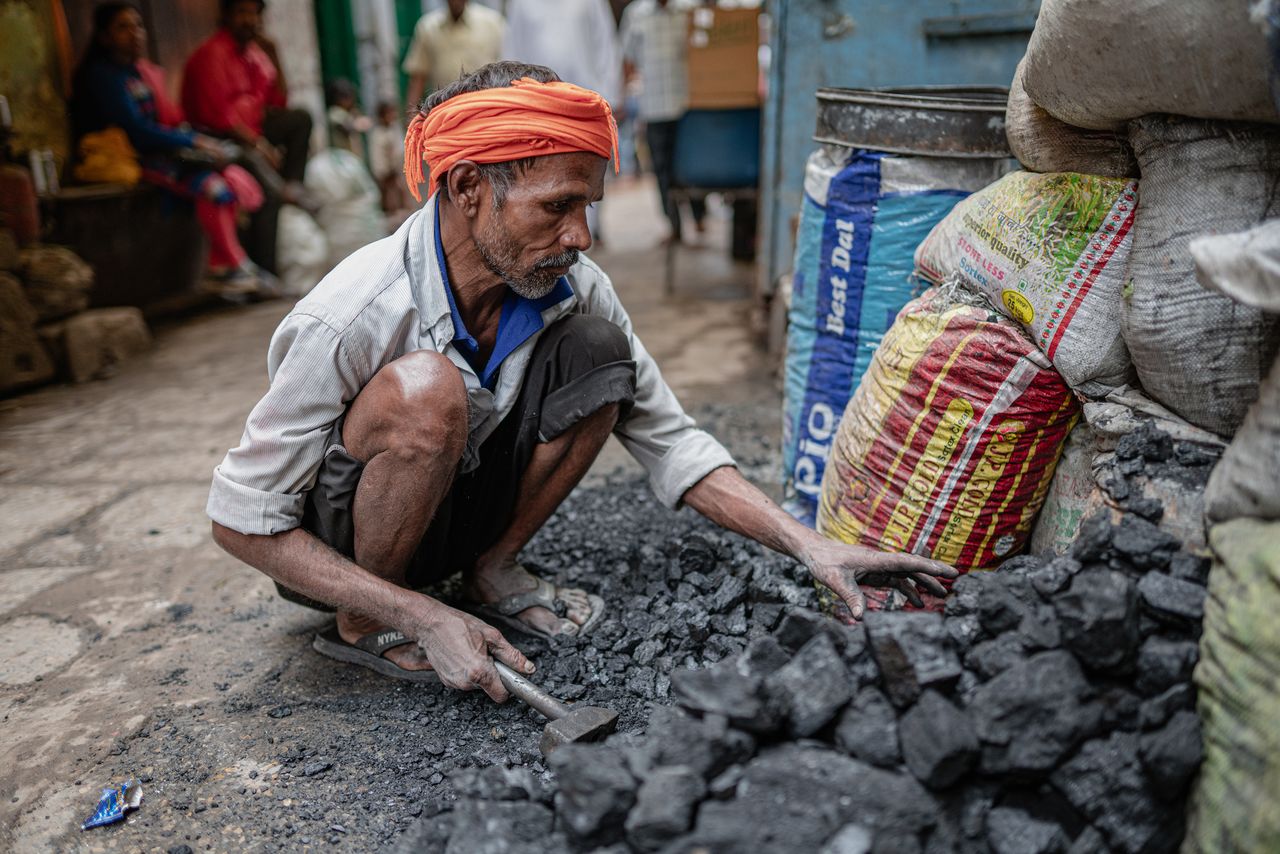
China’s chemical processing and metallurgical industries represent another category where raw material volume, not premium specification, drives the buying relationship. Raw carbon powder derived from biomass sources serves as an upstream feedstock for further activation and processing across water treatment, industrial filtration, and foundry applications and Chinese manufacturers, even with substantial domestic activated carbon production capacity of their own, continue to source specific raw material inputs from Indonesia where the specification profile or reliability of supply meets their production line requirements.
Scale Is China’s Defining Trade Characteristic
If there’s one theme that separates China’s biomass buying pattern from Japan’s or South Korea’s, it’s scale over specification premium. Japanese and Korean buyers are typically purchasing certified, FIT- or RPS-compliant fuel at a price point that reflects strict sustainability documentation requirements. Chinese buyers, by contrast, are more often purchasing at industrial bulk volume for downstream manufacturing input, where consistency and reliable large-scale supply matter as much as or more than premium certification. This isn’t a lesser category of trade; it’s simply a different commercial relationship, one built around recurring container and bulk vessel programs rather than smaller, specification-premium contracts.
Indonesia’s wood chips exports overall are projected to reach significantly higher trade values in 2026 than five years prior, according to industry analysis from Timber Biomass Energy, with importing countries increasingly prioritizing suppliers who can demonstrate legality and sustainability verification through frameworks like Indonesia’s SVLK system a trend that applies to bulk raw material buyers in China just as much as it does to fuel-grade buyers in Japan and Korea.
This bulk-volume relationship also tends to be less exposed to the kind of policy swings that periodically reshape fuel-grade biomass demand in Japan and South Korea. Livestock bedding and industrial raw material feedstock demand is tied to the ongoing scale of China’s manufacturing and agricultural base rather than a renewable energy subsidy scheme that can be revised by regulators which gives this segment of the trade relationship a different kind of long-term stability, even if it doesn’t carry the same premium pricing as certified, FIT-compliant fuel exports.
What This Means for Indonesian Exporters
For Indonesian exporters evaluating where to focus growth, China represents a genuinely significant opportunity just a structurally different one than Japan or South Korea. Success in the Chinese market depends less on chasing premium FIT-linked certification pricing and more on building the operational capacity to deliver consistent bulk volume, recurring container and vessel schedules, and the specification reliability that continuous industrial manufacturing lines require. Buyers and exporters exploring this category can review our wood shavings and carbon powder product pages, or our dedicated China market page for more detail on the specific industries and specifications relevant to this trade relationship.
Frequently Asked Questions
- Is China the largest buyer of Indonesian wood pellets? No. South Korea and Japan lead Indonesia’s fuel-grade wood pellet exports due to their Feed-in Tariff and Renewable Portfolio Standard programs, with China holding a solid third-place position.
- What biomass products does China buy the most from Indonesia? China’s strongest demand centers on bulk raw materials such as wood shavings for its large livestock industry and raw carbon powder for chemical and metallurgical manufacturing, rather than fuel-grade wood pellets or PKS.
- Is China also a wood pellet exporter? Yes. China is one of Asia’s significant wood pellet exporters alongside Thailand, Vietnam, Indonesia, and Malaysia, while Japan and South Korea remain the region’s primary importers making China’s trade relationship with Indonesia more complex than a simple buyer-supplier dynamic.
- Why does China buy wood shavings from Indonesia? China’s position as the world’s largest producer of pigs and poultry drives enormous demand for consistent, hygienic bedding material, and Indonesia’s wood processing capacity and export infrastructure are well suited to supplying that volume.
- Does Indonesian carbon powder compete with China’s own activated carbon industry? Not directly. Indonesian raw carbon powder typically serves as an upstream feedstock for further activation and processing by Chinese manufacturers, rather than competing with China’s substantial finished activated carbon production capacity.
Ready to Supply China’s Bulk Biomass Raw Material Demand?
Whether you’re sourcing wood shavings for livestock operations or carbon powder for chemical and metallurgical processing, our team can prepare a tailored quotation structured around recurring, high-volume supply.