An Indonesia biomass supplier relationship is becoming a bigger part of how South Korean power utilities and IPPs plan their fuel procurement, and the shift is showing up clearly in trade data. South Korea’s wood pellet import market has grown from a near-negligible category into one of Asia’s largest renewable fuel trades over the past decade, and while Vietnam has historically dominated that supply, its market share has been steadily eroding creating real room for Indonesian suppliers to grow into long-term cooperation with Korean buyers rather than serving as a secondary, opportunistic source.
South Korea’s Wood Pellet Import Boom, By the Numbers
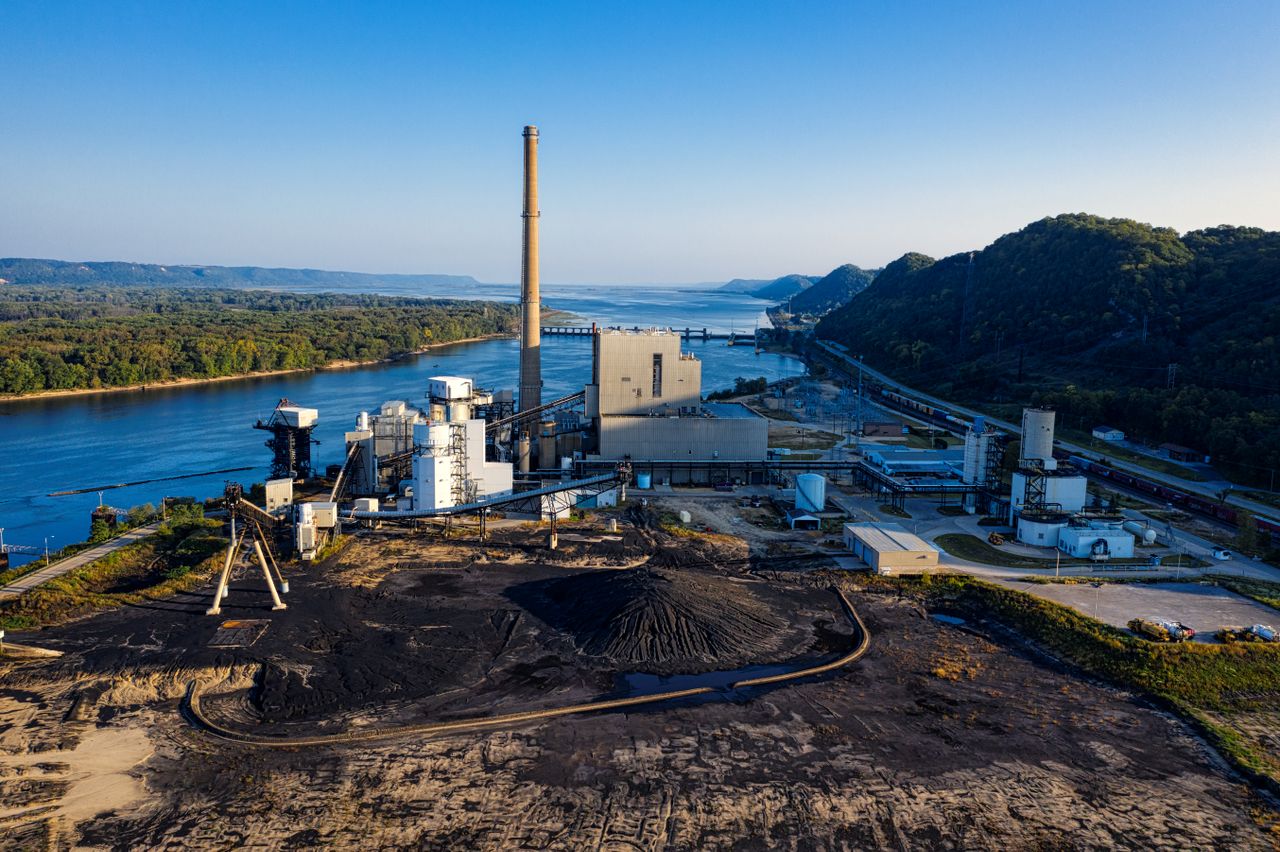
The scale of South Korea’s biomass fuel demand is difficult to overstate. Research published in a peer-reviewed study on Korea’s Renewable Portfolio Standard documents that South Korea’s wood pellet imports surged from about 122,400 tonnes in 2012 to 3.4 million tonnes in 2021, a roughly 24-fold increase in import value over the same period, reaching approximately $439 million. That growth was driven almost entirely by regulatory demand South Korea’s RPS mandate has pushed the country’s largest power generators toward an ever-larger renewable energy quota, and biomass co-firing and dedicated biomass generation have been among the fastest ways for those generators to comply.
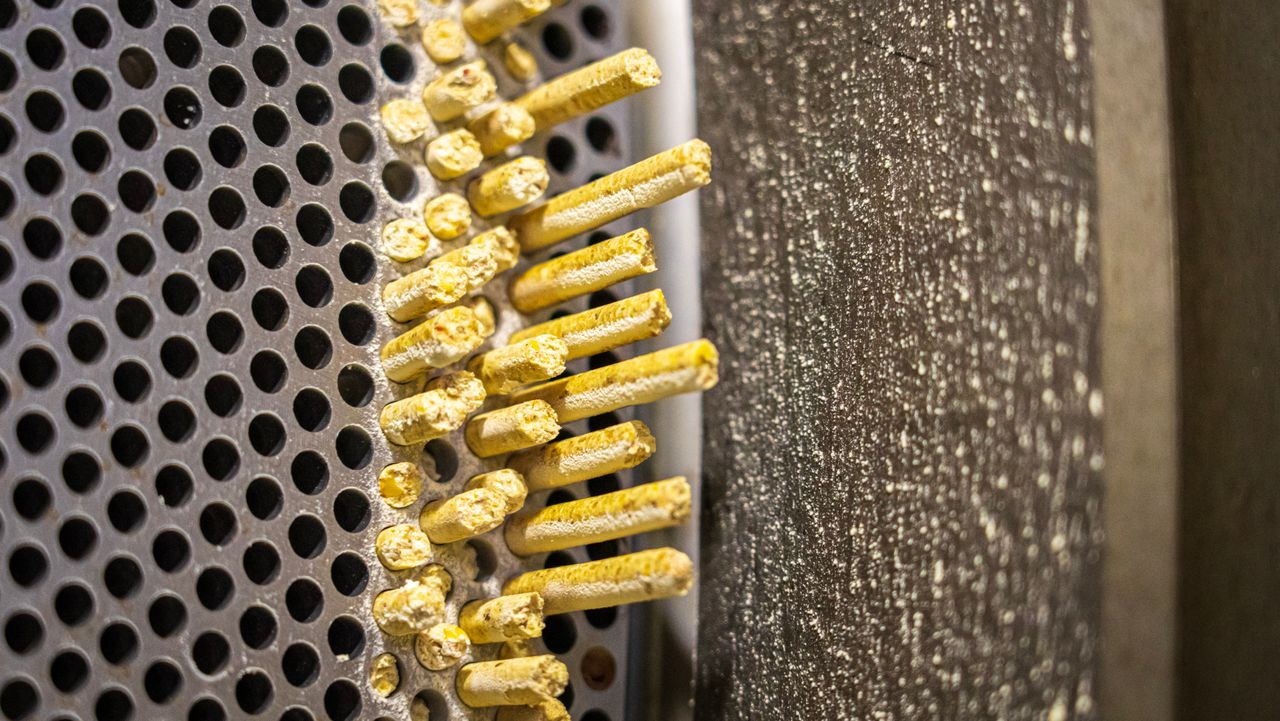
For most of that growth period, Vietnam supplied the overwhelming majority of Korea’s wood pellet imports. But that dominance has been softening. Cintrafor research at the University of Washington documented that Vietnam’s share of Korea’s wood pellet imports fell from 73% in 2017 to 63% in 2018 alone, with Malaysia, Thailand, and Indonesia positioned as the next-largest suppliers filling that gap. Indexbox market analysis similarly places Indonesia as South Korea’s third-largest wood pellet supplier by volume, trailing only Vietnam and Russia a position that gives Indonesian exporters a meaningful existing foothold to expand from rather than a market they need to enter from zero.
Why Korean Buyers Are Turning to Indonesia as Vietnam’s Share Declines
Price, Certification, and PKS as a Cost-Effective Alternative
Palm kernel shells (PKS) have become a particularly important part of this diversification story. As Korean utilities look beyond wood pellets for cost-efficient renewable fuel options, PKS offers a lower delivered cost while still qualifying under RPS-linked procurement, provided it carries the sustainability certification Korean compliance teams require. Reporting from Argus Media has noted that demand for Indonesian PKS is expected to grow beyond its dominant existing market in Japan, with Korean utility GS EPS specifically named among the buyers seeking cheaper alternatives to wood pellets as they diversify their fuel procurement strategy.
Indonesia’s Sistem Verifikasi Legalitas Kayu (SVLK) framework and RSPO-equivalent sustainability certification for palm-based products give Indonesian suppliers a credible answer to the certification requirements that have become central to Korean biomass procurement a critical factor given how fragmented and difficult to certify smaller PKS supply chains can be.
GS EPS and Utility-Level Diversification
The involvement of a named, established Korean utility like GS EPS in actively seeking Indonesian PKS supply signals something more significant than opportunistic spot buying it reflects utility-level strategic diversification, where Korean power generators are deliberately building multi-origin fuel portfolios to reduce single-country supply risk, much like Japanese IPPs have done amid recent global market volatility. For Indonesian exporters, this kind of buyer represents the foundation for genuine long-term cooperation rather than one-off transactional orders.
The REC Reform Complication: Short-Term Boost, Long-Term Uncertainty
Any honest picture of Indonesia’s opportunity in the Korean market has to account for a genuine policy complication. South Korea’s Ministry of Trade, Industry and Energy revised its Renewable Energy Certificate (REC) weighting scheme for biomass-fired power generation in a way that Argus Media described as likely to boost private and state-run utilities’ wood pellet imports in the short term, then curb them in the long run. This reflects Korea’s broader effort to reduce long-term reliance on imported forest biomass while continuing to support domestically sourced material.
For Indonesian suppliers, this means the near-term window for expanding cooperation with Korean buyers is real and active, but it is not indefinite or unconditional. Suppliers who can demonstrate certified, traceable, cost-competitive supply rather than relying purely on price are the ones positioned to convert short-term opportunity into the kind of multi-year contracts that survive policy tightening, since Korean buyers facing reduced REC support for imported biomass will naturally consolidate around fewer, more trusted suppliers rather than spreading procurement across undocumented spot sources.
What Serious Cooperation with an Indonesian Supplier Looks Like
For a Korean utility or trading house evaluating whether to deepen a supply relationship with an Indonesian biomass exporter, the practical markers of a serious partner are consistent: SVLK and RSPO-equivalent certification documentation on every shipment, independent laboratory analysis verifying moisture, ash content, and calorific value, a track record of consistent volume delivery rather than sporadic spot cargoes, and pricing structured around long-term contract stability rather than opportunistic short-term spikes. Buyers exploring this category can review the specific product and certification details on our wood pellet and PKS supplier page for South Korea.
This distinction matters more than it might first appear. A buyer chasing the lowest quoted price on a single cargo is exposed every time that supplier’s documentation, volume, or quality falls short — a real risk in a market where PKS supply chains remain fragmented across many small processors. A buyer building a relationship with a supplier who can consistently deliver on specification, certification, and volume is instead building supply chain resilience that holds up regardless of short-term price swings or policy shifts like Korea’s REC reform. That distinction is exactly what separates a transactional spot purchase from genuine cooperation between a Korean buyer and an Indonesian biomass supplier.
Frequently Asked Questions
- Is Indonesia now South Korea’s largest wood pellet supplier? No, Vietnam and Russia remain ahead of Indonesia by volume, but Indonesia holds the third-largest position and has been gaining ground as Vietnam’s overall market share has declined in recent years.
- Why are Korean utilities like GS EPS interested in Indonesian PKS? PKS generally offers a lower delivered cost than wood pellets while still qualifying under South Korea’s RPS-linked procurement requirements, provided it carries recognized sustainability certification.
- What certification does Indonesian biomass need to qualify for Korean RPS-linked contracts? Indonesian suppliers typically provide SVLK (Sistem Verifikasi Legalitas Kayu) documentation for wood-based products and RSPO-equivalent sustainability certification for PKS and other palm-derived biomass.
- Will South Korea’s REC policy changes reduce demand for imported biomass? The REC reform is expected to boost imports in the short term before curbing them over the longer run, as Korea works to reduce reliance on imported forest biomass in favor of domestic sources making certified, reliable suppliers more important, not less.
- What does a long-term biomass supply partnership with Indonesia typically require? Buyers generally look for consistent certification documentation, independent laboratory quality verification, dependable volume delivery, and pricing structured for multi-year stability rather than one-off spot transactions.
Ready to Build a Long-Term Biomass Supply Partnership with an Indonesian Exporter?
Whether you’re diversifying away from a single-origin supply base or evaluating Indonesian PKS and wood pellets for the first time, our team can walk you through certification, specification, and contract structures suited to South Korea’s RPS requirements.
View Our South Korea Market Page → Contact Our Export Team →