Anyone sourcing charcoal at scale, whether for a hookah lounge, a BBQ restaurant chain, or a private label retail brand, eventually runs into the same decision: coconut shell charcoal or wood charcoal. Both are natural fuels, both have loyal followings, and both show up in bulk supplier catalogs around the world. But when it comes to actual burn performance, smoke output, and environmental impact, the two are not interchangeable.
This comparison breaks down what the data actually shows, so buyers can choose based on performance rather than habit.
What Sets Coconut Shell Charcoal Apart
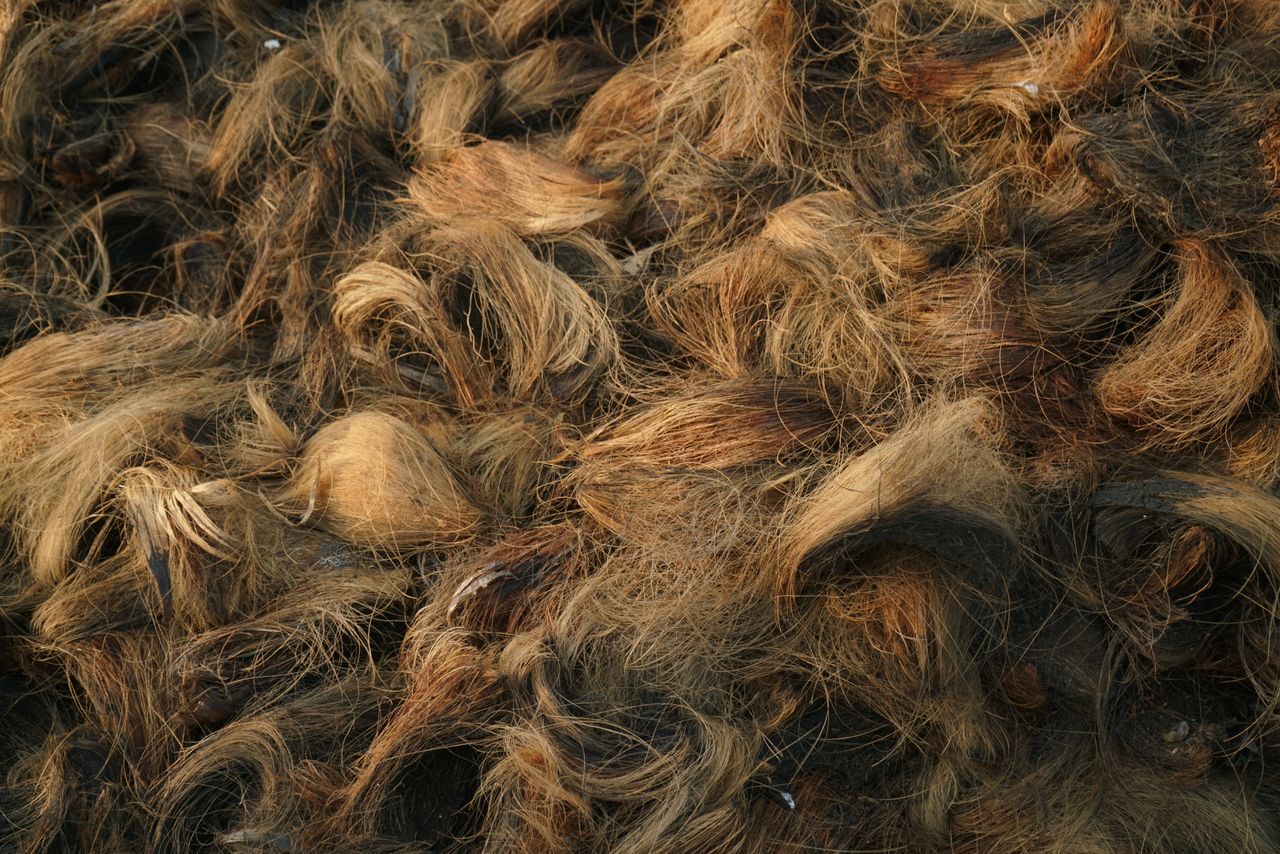
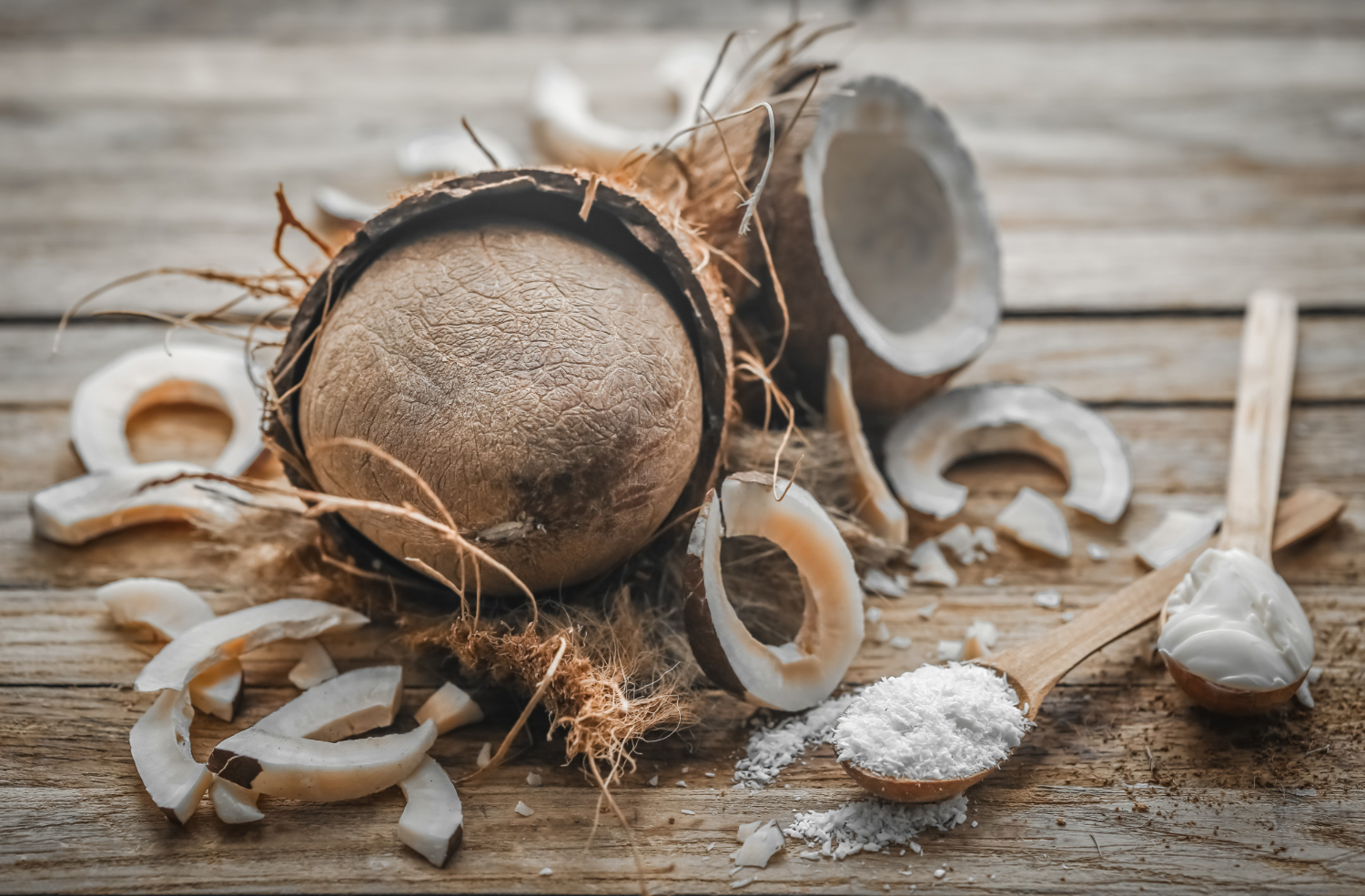
Coconut shell charcoal is produced by carbonizing coconut shells, a byproduct of the coconut processing industry, under controlled, low-oxygen conditions. The shell’s naturally dense, fibrous structure carbonizes into a hard, high-carbon material with very little residual moisture or volatile content.
What Sets Wood Charcoal Apart
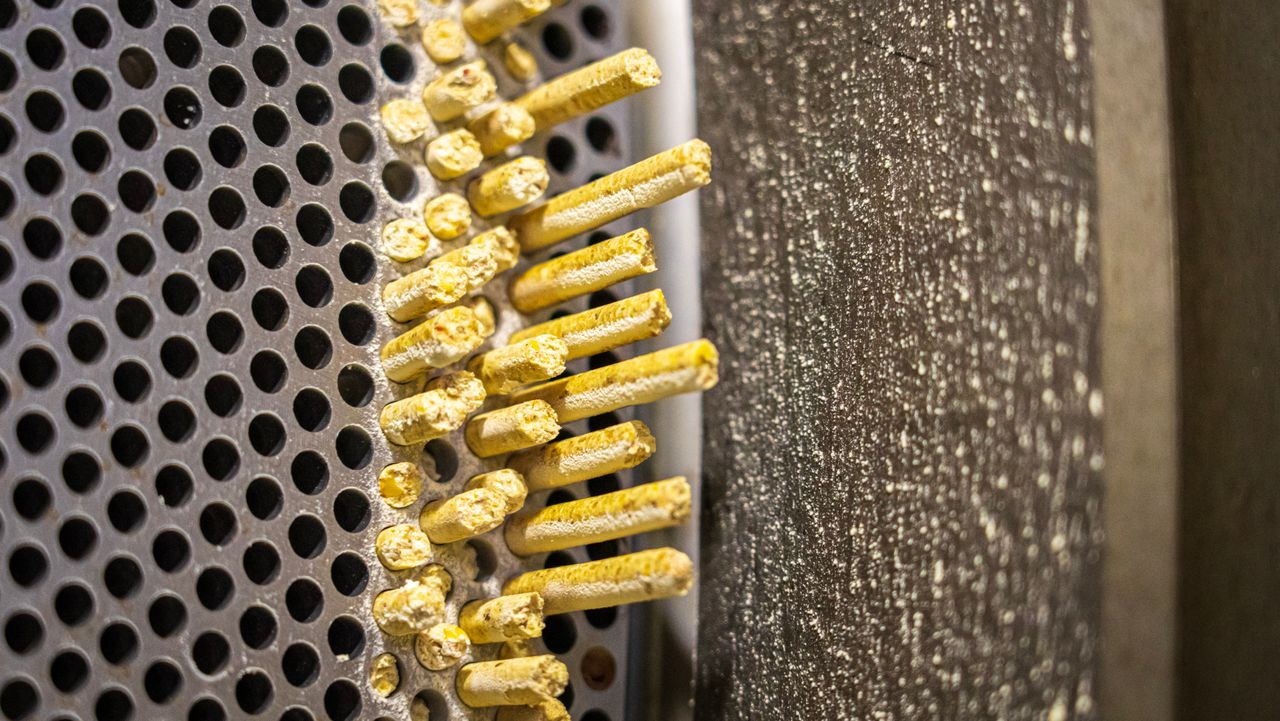
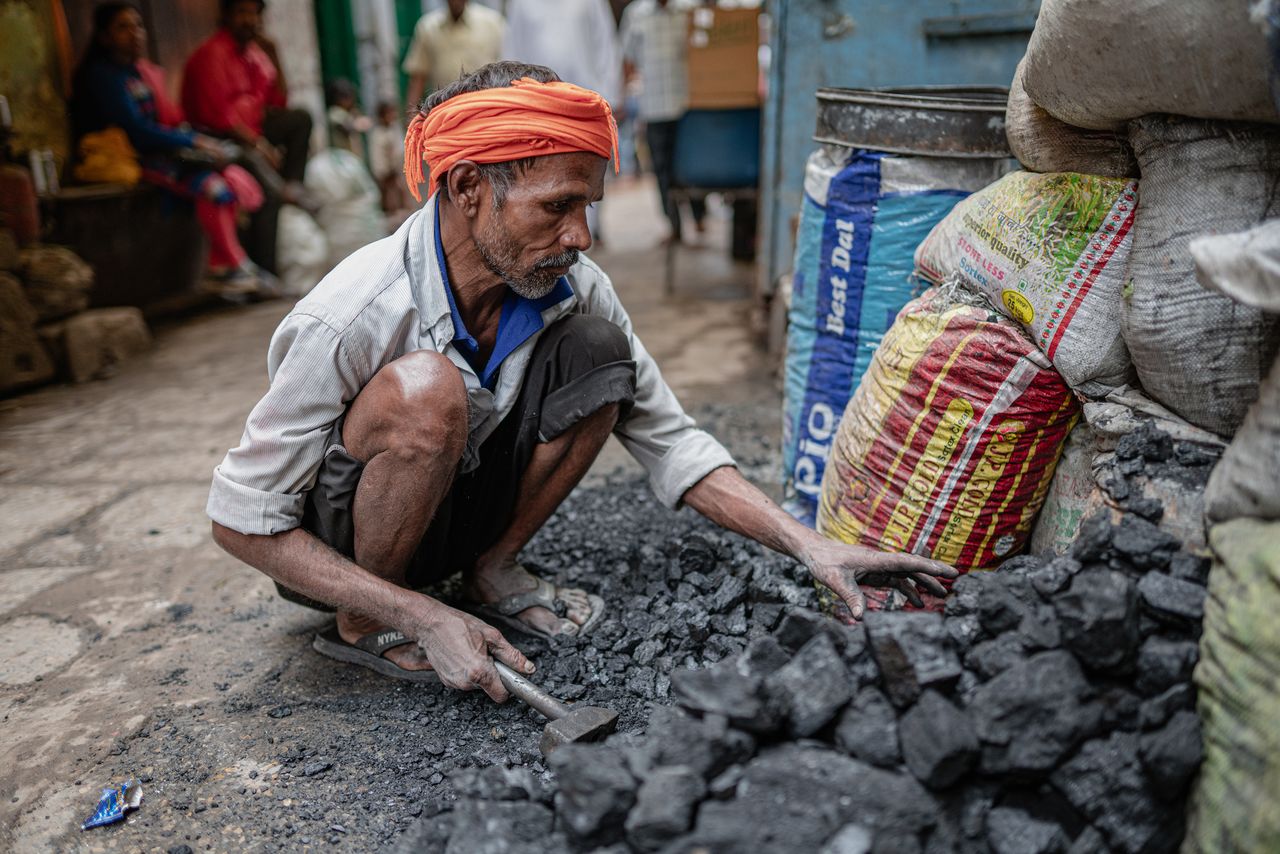
Wood charcoal is produced the same way, through carbonization, but starting from timber or wood scraps instead of shells. Depending on the wood species and processing method, quality can range from dense hardwood lump charcoal to lower-density, faster-burning softwood charcoal.
Burn Performance: Head-to-Head
Heat Output and Burn Time
Coconut shell charcoal is denser than most wood charcoal, which allows it to hold and release heat more steadily over a longer period. Field comparisons documented in the peer-reviewed journal Diversity found that coconut shell biomass produced less ash and residue than neem wood during combustion testing, while wood required less time to reach peak burn. In practice, this means coconut shell charcoal tends to burn hotter for longer once lit, while wood charcoal ignites faster but needs more frequent refueling to maintain consistent heat.
Smoke and Odor
This is where the gap widens the most. Coconut shell charcoal, due to its low volatile content, produces minimal smoke and virtually no odor once fully carbonized, which is why it dominates the shisha and indoor grilling markets. Wood charcoal, particularly lower-grade or improperly seasoned wood, tends to release more visible smoke and a stronger, resin-like smell during combustion.
Ash Content and Cleanup
Ash output is one of the clearest, most measurable differences between the two fuels. Coconut shell charcoal typically produces a low ash residue, often under 5 to 10 percent by weight in well-processed grades, while standard wood charcoal commonly produces significantly more ash and residue, meaning more frequent cleaning and less predictable combustion for high-volume commercial users.
Environmental and Health Considerations
Raw Material Source
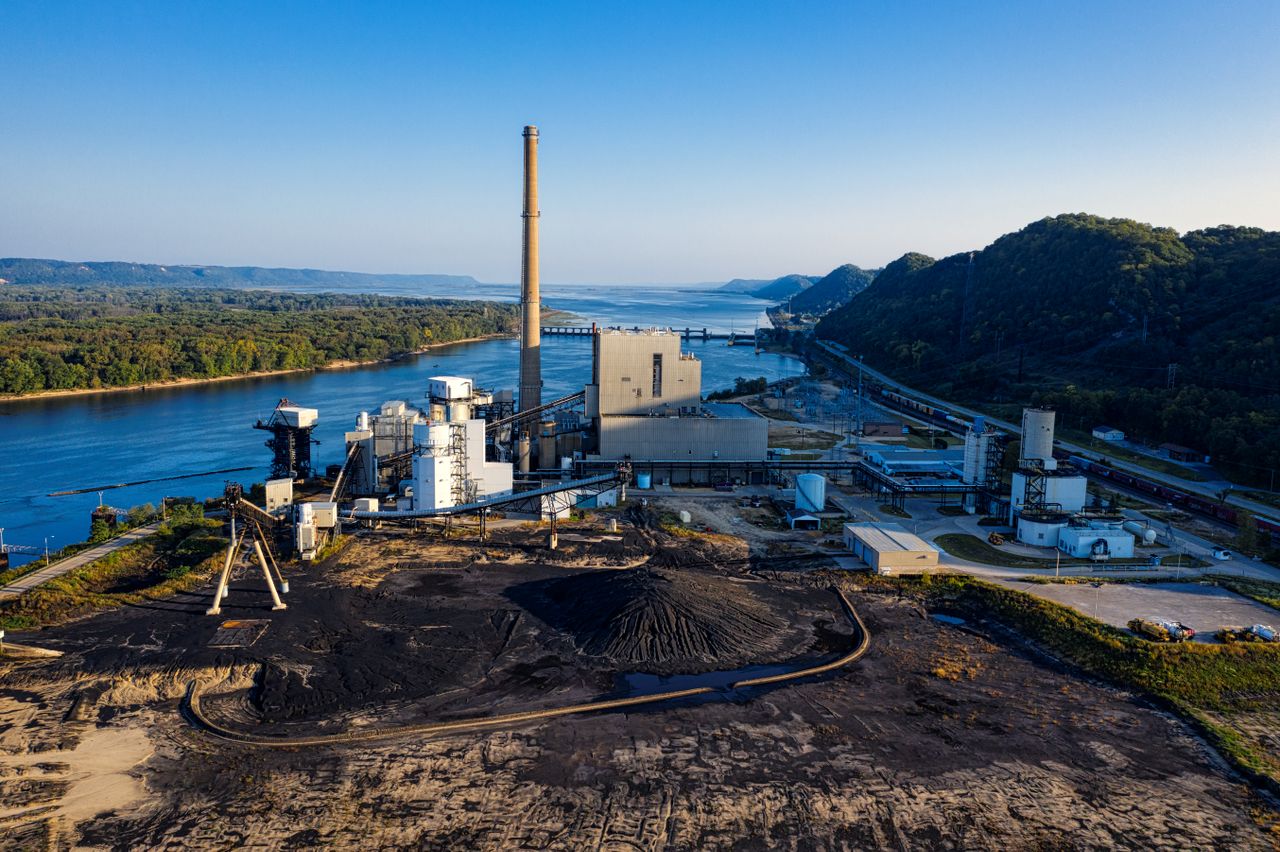
Coconut shell charcoal is made from an agricultural byproduct, the shell left over after coconut processing, meaning no trees are cut down to produce it. Wood charcoal, by contrast, depends directly on timber harvesting. Even when sourced from managed forestry operations, this creates a fundamentally different sustainability profile between the two fuels.
Air Quality Impact
Smoke exposure from wood combustion is a well-documented concern. The U.S. Environmental Protection Agency notes that residential wood smoke is a major contributor to fine particle pollution and can affect air quality, particularly for children, older adults, and people with existing respiratory or heart conditions. While commercial charcoal combustion differs from residential wood burning, the underlying chemistry, more volatile compounds and higher smoke output from wood versus coconut shell, reinforces why coconut shell charcoal is generally regarded as the cleaner-burning option in enclosed or high-frequency-use settings like shisha lounges and indoor grilling.
Carbon Footprint
Because coconut shells are a waste product that would otherwise be discarded or burned openly, converting them into charcoal effectively repurposes existing agricultural residue rather than consuming new biomass. This circular economy angle gives coconut shell charcoal a meaningfully lower environmental footprint compared to charcoal derived from freshly harvested wood.
Which One Should Buyers Choose?
For Shisha and Hookah Applications
Coconut shell charcoal is the clear standard. Its low smoke, low odor, and long, steady burn make it the preferred fuel for lounges and distributors worldwide, a trend covered in more detail in our earlier look at why global shisha and BBQ markets are turning to Indonesian coconut charcoal.
For Outdoor BBQ and Grilling
Both fuels have a place here, but coconut shell charcoal tends to win on consistency and cleanup, while some wood charcoal varieties are prized for the smoky flavor they impart to grilled food. Buyers building a premium, low-maintenance product line typically favor coconut shell charcoal; those marketing a traditional smoky-grill experience may lean toward select hardwood charcoals.
For Industrial and Bulk Commercial Use
Where consistency, low ash, and predictable combustion matter most, coconut shell charcoal generally outperforms standard wood charcoal, particularly for buyers managing high-volume, continuous operations where fuel variability directly affects output quality.
Sourcing Premium Coconut Shell Charcoal from Tropic World Paradise
PT Tropic World Paradise supplies eco-friendly, low-smoke, long-burning coconut shell charcoal produced from Indonesia’s abundant coconut industry byproducts. As part of a wider portfolio of biomass products, the company supports shisha, BBQ, and industrial buyers across Asia, Europe, and the Middle East with consistent quality, competitive pricing, and full traceability from farm to port. Buyers can review the company’s approach to sustainability and certifications before placing an order.
Frequently Asked Questions
Does coconut shell charcoal really burn cleaner than wood charcoal? Yes. Coconut shell charcoal has lower volatile content and produces significantly less smoke, odor, and ash than most wood charcoal, particularly in enclosed or indoor settings.
Which burns longer, coconut shell charcoal or wood charcoal? Coconut shell charcoal generally burns longer due to its higher density, though wood charcoal often ignites faster.
Is coconut shell charcoal more eco-friendly than wood charcoal? Yes. It is made from a coconut industry byproduct rather than harvested timber, meaning no trees are cut down and agricultural waste is repurposed rather than discarded.
Which is better for BBQ flavor, coconut shell or wood charcoal? Wood charcoal, especially select hardwoods, can impart a stronger smoky flavor, while coconut shell charcoal burns cleaner with minimal impact on food taste.
Why do shisha lounges almost exclusively use coconut shell charcoal? Because of its low smoke, low odor, and steady, long-lasting burn, which are essential for extended indoor hookah sessions.
Ready to Source Cleaner-Burning Coconut Shell Charcoal?
Whether you supply shisha lounges, BBQ retailers, or industrial buyers, Tropic World Paradise offers consistent, export-grade coconut shell charcoal backed by reliable global supply. Request a Quote or Contact Our Team to discuss your requirements today.