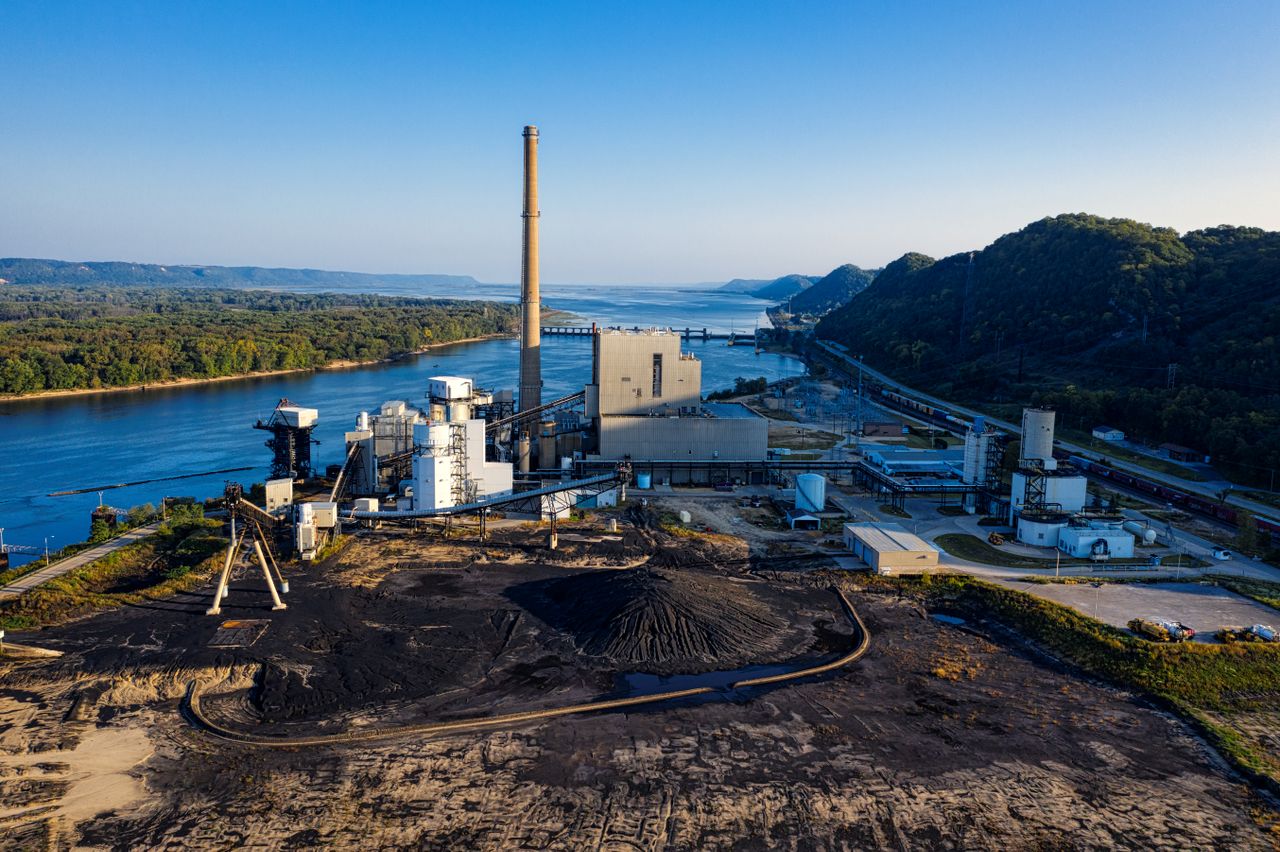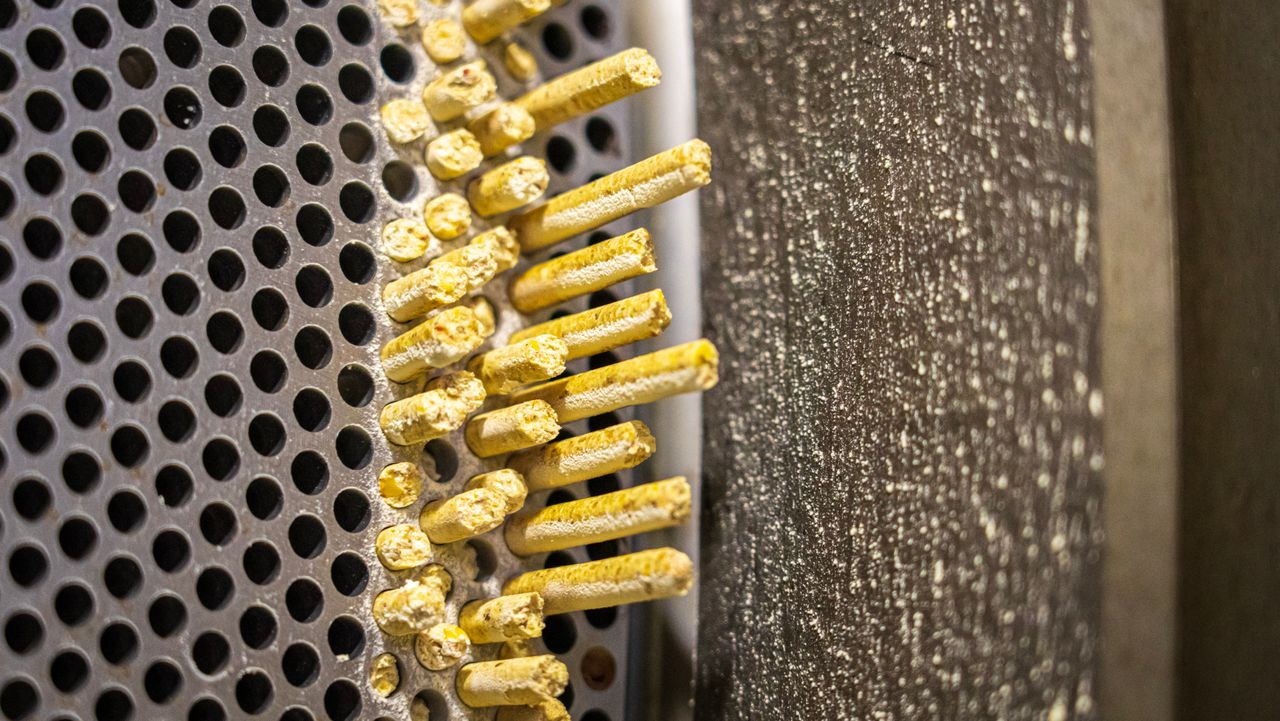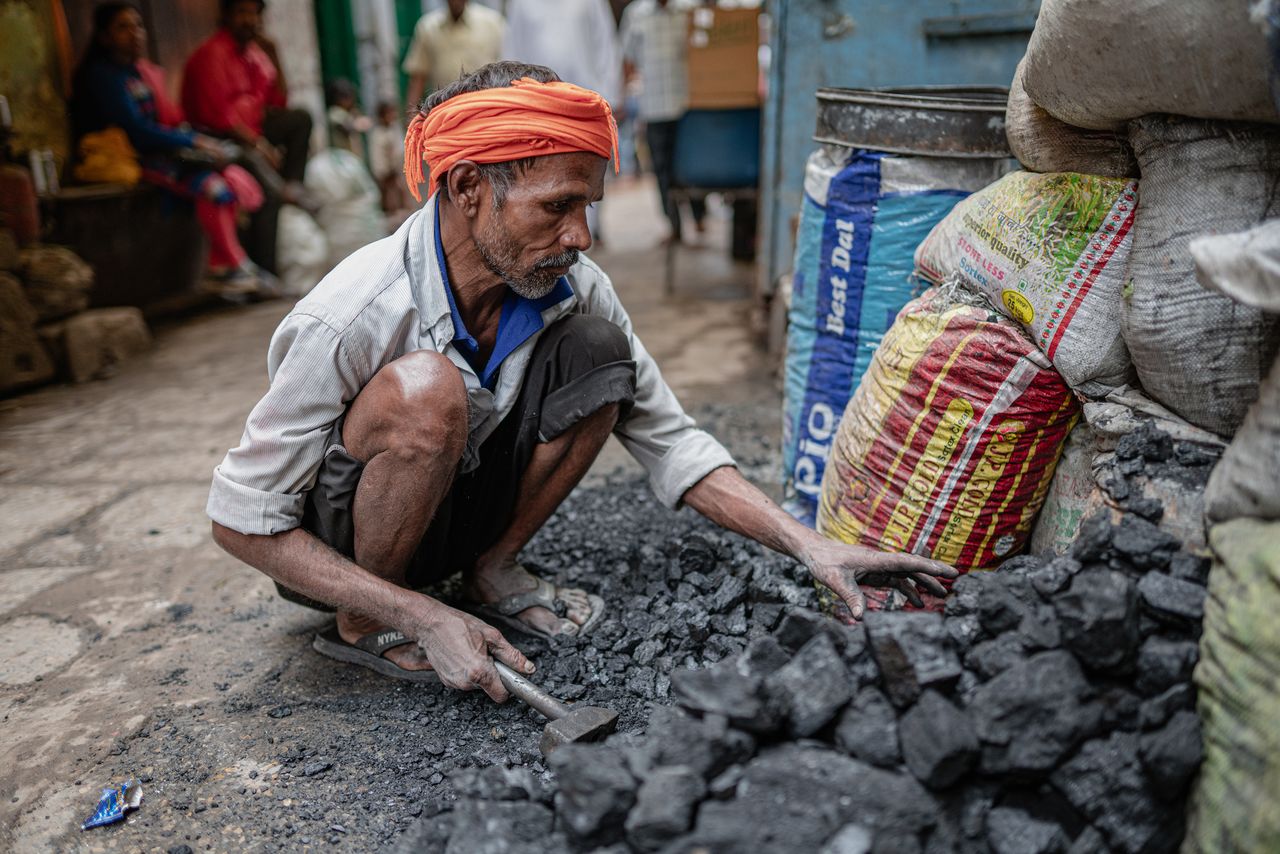
Japan’s relationship with charcoal runs deeper than most importing countries. It isn’t just a fuel category it’s tied to yakitori grills, robatayaki restaurants, and a culinary culture built around the clean, intense heat of high-quality charcoal. That cultural demand has turned into real trade volume, and increasingly, Indonesia is the country supplying it. According to trade data compiled by Volza, Indonesia is now the single largest source of charcoal imports into Japan, ahead of both Vietnam and China. For importers, restaurant supply chains, and distributors trying to understand why that shift happened and what it means for sourcing charcoal reliably going forward this article breaks down the market dynamics, the regulatory changes buyers need to know about in 2026, and what separates a dependable Indonesian supplier from the rest.
Japan’s Growing Appetite for Quality Charcoal
Japan imports roughly $122 million worth of charcoal annually, and a significant share of that spend goes toward premium-grade material used to support the country’s yakitori restaurant culture, traditional grilling traditions, and high-end barbecue market. Within that category, white charcoal the style popularly known as binchotan occupies a particularly prized position. Japan has a long domestic history of producing binchotan from ubame oak, but domestic production alone can no longer meet demand. Industry trade data indicates Japan imports somewhere in the range of 10,000 to 12,000 metric tons of white charcoal annually from countries including Vietnam, Thailand, and Indonesia, with import volume growing at roughly 5–7% per year a trend closely tied to the expansion of Japanese-style dining establishments both within Japan and internationally.
That growth trajectory matters for anyone evaluating whether to enter or expand a charcoal sourcing relationship with Indonesia right now. Demand isn’t flat, and it isn’t concentrated in a single product category it spans everything from premium binchotan-style hardwood charcoal for high-end restaurants to coconut shell charcoal used in shisha, barbecue, and increasingly, industrial and water filtration applications.
Why Indonesia Leads Japan’s Charcoal Import Market
A few structural advantages explain Indonesia’s position at the top of Japan’s supplier list. Indonesia combines abundant tropical hardwood and coconut processing residues, decades of charcoal production experience, and shipping routes that are considerably shorter than those from more distant origin markets. Southeast Asia as a region Indonesia alongside Vietnam, Laos, and the Philippines has effectively become the center of gravity for global charcoal export, a position built on the combination of raw material availability, competitive production costs, and steadily improving logistics infrastructure.
Binchotan-Style Hardwood Charcoal and Coconut Shell Charcoal
Indonesian producers supply Japan across two fairly distinct product categories. The first is binchotan-style white charcoal, produced from Indonesian hardwoods using traditional Japanese carbonization methods, valued for its long, steady burn time often up to six hours — and high, consistent heat output suited to professional grilling. The second is coconut shell charcoal, which serves a broader range of applications: shisha and barbecue briquettes, and increasingly, raw material for water purification and industrial filtration use. Buyers sourcing for the Japanese market typically need clarity on which category fits their end use, since specification requirements burn time, ash content, moisture, density differ meaningfully between the two.
What Changed in 2026: A Shipping Regulation Buyers Need to Know
Anyone sourcing charcoal from Indonesia to Japan in 2026 needs to be aware of a regulatory shift that directly affects freight cost and logistics planning. Charcoal is classified as a dangerous good for ocean transport because its micro-porous carbon structure can absorb atmospheric oxygen and, in confined spaces like a sealed shipping container, generate enough heat through oxidation to pose a spontaneous ignition risk. Until recently, a test-based exemption allowed some charcoal shipments to move as general cargo rather than under full dangerous goods protocols. That exemption was eliminated under IMDG Amendment 42-24, which took effect January 1, 2026, meaning charcoal shipments from Indonesia to Japan now require dangerous-goods-rated ocean freight handling as standard practice, not an exception.
This change has a real cost impact DG-rated freight now accounts for a substantial share of the total landed cost markup above the raw FOB price on a typical shipment but it’s a compliance requirement, not an optional upgrade. Buyers working with a supplier who isn’t already structuring shipments around this regulation risk documentation problems, shipping delays, or rejected cargo at the port of origin. On the positive side, coconut shell charcoal still enters Japan at a 0% duty rate, so the regulatory cost sits entirely on the freight and compliance side rather than in tariffs.
Quality Standards Japanese Buyers Expect
Japanese buyers particularly those supplying the restaurant and hospitality trade are known for strict quality expectations, and charcoal is no exception. Consistent burn time, low spark and smoke output, minimal ash residue, and stable moisture content are baseline requirements rather than premium features. Beyond product specification, certification has become an increasingly important differentiator: FSC certification, ISO quality management standards, and documented eco-labeling are no longer optional extras for exporters targeting premium international markets they are what allows a supplier to command premium pricing and long-term contracts rather than one-off spot orders.
For Indonesian exporters, this means every shipment needs to carry documentation that supports both product quality and sustainable sourcing claims, since Japanese distributors and restaurant supply chains increasingly pass those assurances along to their own end customers.
How to Source Charcoal From Indonesia the Right Way
For buyers new to this supply chain, the practical starting point is identifying which product category matches the end application binchotan-style hardwood charcoal for premium grilling and hospitality use, or coconut shell charcoal for shisha, barbecue briquettes, or industrial and filtration applications and then verifying that a prospective supplier can provide laboratory-backed specification data, sustainable sourcing documentation, and DG-compliant shipping arrangements that reflect the post-2026 regulatory environment. A trial shipment, backed by clear lab analysis and transparent freight documentation, remains the most reliable way to evaluate a new supplier relationship before scaling into a recurring contract.
Frequently Asked Questions
- Why does Japan import so much charcoal instead of relying only on domestic production? Japan’s domestic binchotan production, rooted in traditional ubame oak charcoal-making, cannot keep pace with rising demand driven by the global expansion of Japanese-style restaurants, so the country imports a growing volume of white charcoal from Southeast Asian producers, including Indonesia.
- What is the difference between binchotan-style charcoal and coconut shell charcoal? Binchotan-style charcoal is typically produced from hardwood using traditional carbonization methods and prized for long, steady burn time in professional grilling, while coconut shell charcoal is derived from coconut processing residue and used across shisha, barbecue, and industrial or filtration applications.
- Has shipping charcoal from Indonesia to Japan gotten more complicated recently? Yes. As of January 1, 2026, IMDG Amendment 42-24 removed a previous test-based exemption, meaning most charcoal shipments now require dangerous-goods-rated ocean freight handling as standard practice rather than an exception.
- Does Japan charge import duty on charcoal from Indonesia? Coconut shell charcoal generally enters Japan at a 0% duty rate; the primary cost driver for buyers is dangerous-goods-rated ocean freight rather than tariffs.
- What should a buyer look for in an Indonesian charcoal supplier? Look for laboratory-backed specification data, sustainability certification such as FSC or ISO documentation, and a supplier who can demonstrate compliant, DG-rated shipping arrangements suited to current 2026 IMDG regulations.
Ready to Source Certified Charcoal From an Experienced Indonesian Exporter?
Whether you’re supplying premium hospitality clients or sourcing coconut shell charcoal for industrial use, our team can walk you through specifications, certification, and current DG-compliant shipping options for the Japanese market.