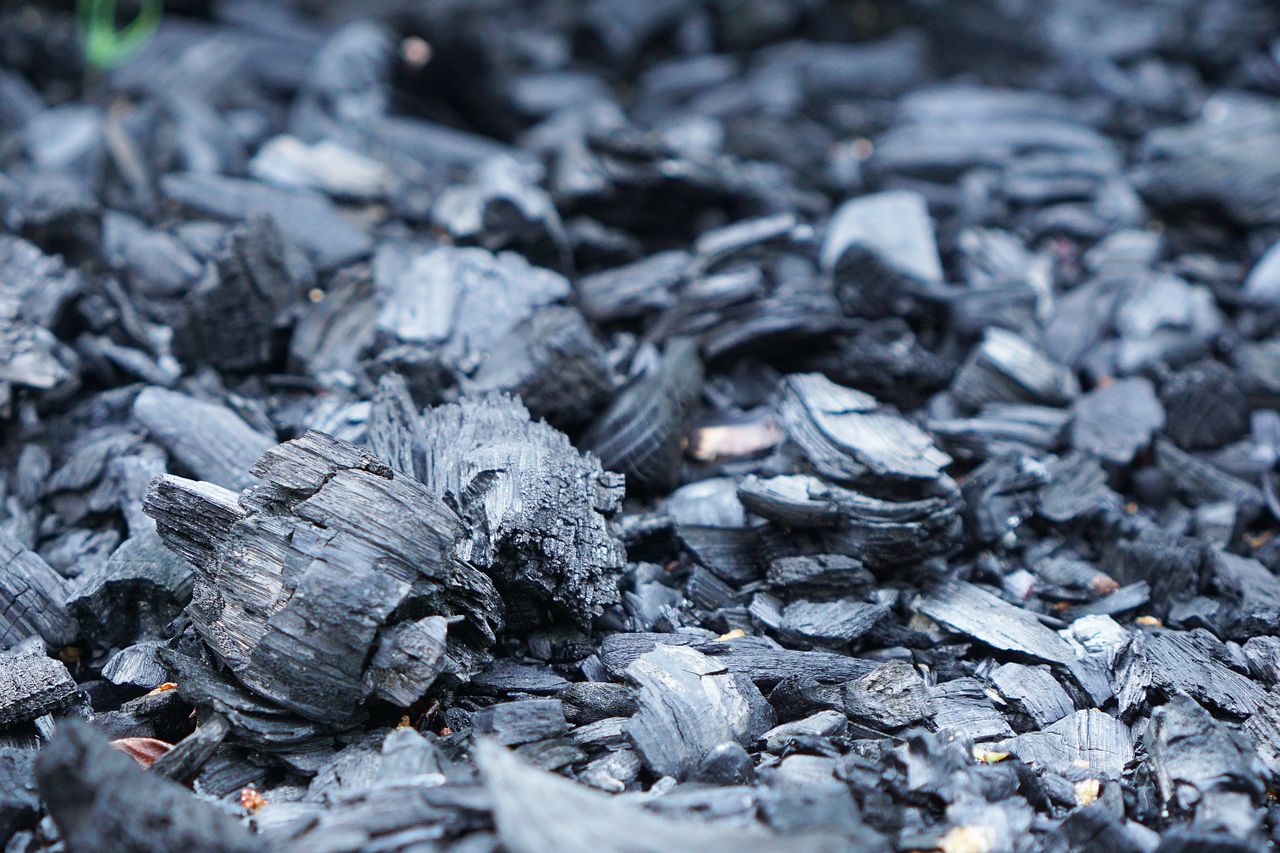
Buy charcoal from Indonesia and you’re sourcing from the country that has held the top position in global charcoal exports for well over a decade, with no clear sign of that dominance reversing. For importers, distributors, and restaurant supply chains comparing origin countries, that kind of sustained market leadership is worth understanding in detail not just as a statistic, but as a reflection of genuine structural advantages in raw material access, production experience, and export infrastructure. This article breaks down exactly why Indonesia holds that position, what the country’s two flagship charcoal products actually offer different buyer segments, and what to watch for so you source reliably rather than opportunistically.
Indonesia’s Decade-Long Position as the World’s Top Charcoal Exporter
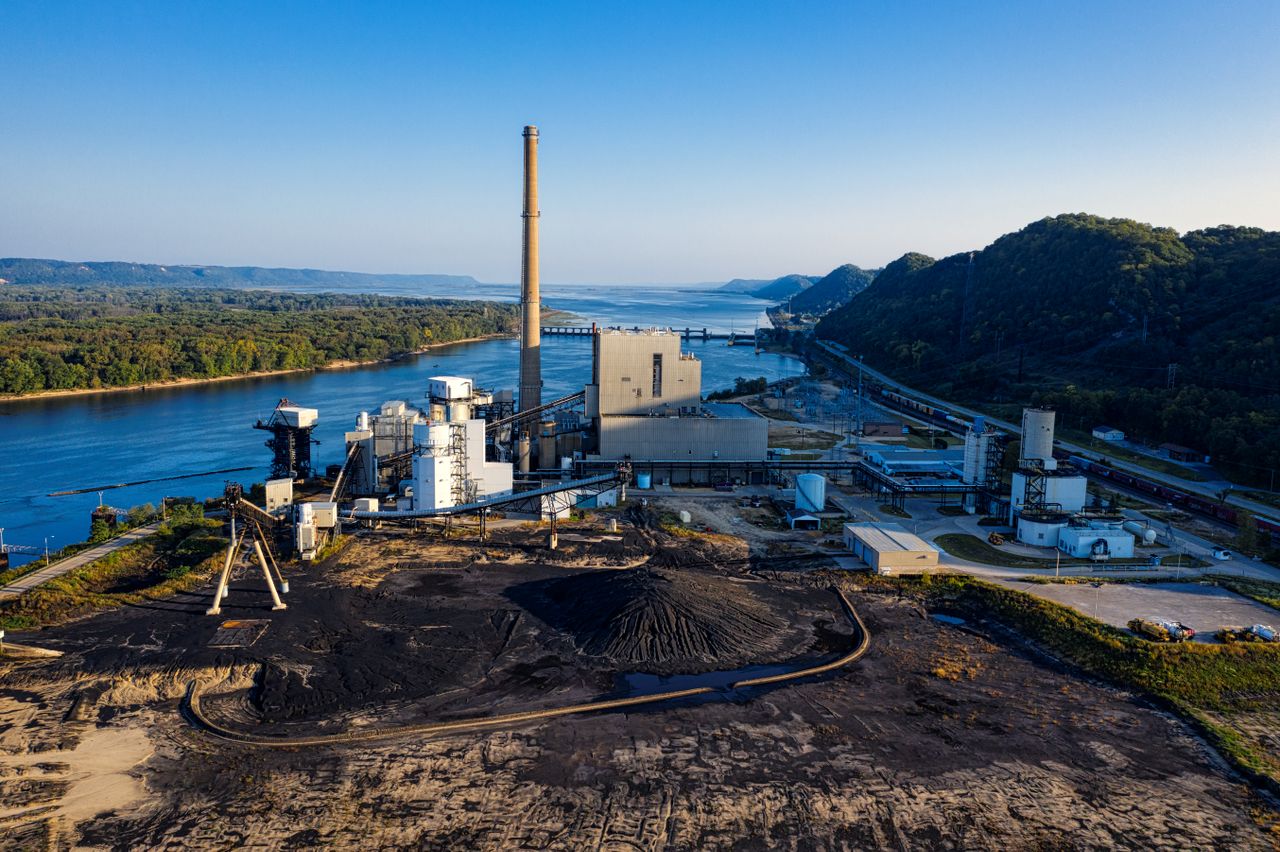
The scale of Indonesia’s position in global charcoal trade is significant: recent industry trade analysis places Indonesia at roughly 23% of global charcoal export value, ahead of Vietnam, Laos, the Philippines, and China. Unlike the countries producing the largest raw charcoal volumes overall Brazil, Ethiopia, and Nigeria, whose output is consumed almost entirely domestically Indonesia’s charcoal industry is built specifically around international export, supplying premium-grade product to BBQ culture, metallurgy, filtration, and restaurant demand across East Asia, Europe, and the Middle East.
That export orientation matters because it shapes the entire production ecosystem behind it factories, quality control processes, and logistics infrastructure built specifically to serve international buyers with consistent specification requirements, rather than a domestic market with more flexible standards.
Two Flagship Products That Cover Nearly Every End Market
Hardwood Lump Charcoal for BBQ and Grilling
Indonesian hardwood lump charcoal draws on the country’s vast tropical forest resources, and it’s internationally recognized for high heat output, long burn time, and a clean burn profile with minimal ash — qualities that have made it sought after across grilling markets in Europe, the Middle East, and East Asia. For buyers supplying premium BBQ restaurants or retail grilling channels, hardwood lump charcoal from Indonesia offers a genuine alternative to binchotan-style Japanese charcoal at meaningfully lower cost and higher available production volume.
Coconut Shell Charcoal for Shisha, Filtration, and Volume Markets
Indonesia’s second flagship product, coconut shell charcoal, is arguably where the country’s dominance is most pronounced. Indonesia is widely recognized as the world’s largest producer of coconut shell charcoal briquettes, a position built on the country’s status as one of the world’s largest coconut-producing nations meaning the raw material feeding this industry is a steady byproduct of coconut processing rather than a resource requiring dedicated cultivation. Coconut shell charcoal’s low-ash, consistent-burning characteristics make it the preferred choice across shisha and hookah markets the UAE and Saudi Arabia remain particularly dominant destinations as well as BBQ briquettes and industrial carbon feedstock applications.
Pricing Trends Buyers Should Understand Before Sourcing
Charcoal pricing has moved meaningfully over the past few years, and understanding that trend helps buyers negotiate and forecast more accurately. Global average charcoal export prices fell to roughly $526 per tonne in 2024, down 14.8% from a peak of $617 in 2023, according to recent trade data analysis a moderation that generally benefits buyers after a period of sustained price increases. That said, pricing on any specific shipment still depends heavily on product grade, origin region within Indonesia, and freight costs, which fluctuate independently of the broader commodity trend and can meaningfully affect landed CIF pricing, particularly for buyers in Europe or North America shipping longer distances.
The Honest Trade-Off: Fragmentation and Quality Variance
It’s worth being direct about a genuine challenge in Indonesia’s charcoal export industry, because glossing over it does buyers no favors. Indonesia’s charcoal supply chain is fragmented across many factories of varying scale and quality control sophistication, meaning specification consistency can vary meaningfully between suppliers a real risk for buyers who source based purely on the lowest quoted price without verifying a factory’s actual production standards. Some regions also experience periodic export restrictions, and buyers seeking broader product diversity beyond coconut shell and hardwood lump charcoal may find Indonesia’s range narrower than a more diversified origin like Vietnam.
This trade-off is precisely why supplier selection matters more than country selection alone. Indonesia’s position as the world’s top charcoal exporter reflects genuine national-level advantages, but converting that advantage into a reliable supply relationship depends entirely on choosing an individual supplier with documented quality control, consistent specification, and export experience — not simply defaulting to the cheapest quote from an unverified factory.
What to Look for When You Buy Charcoal From Indonesia
Buyers evaluating Indonesian charcoal suppliers should look for laboratory-verified specification data covering moisture content, ash content, fixed carbon percentage, and burn time; documented sustainability and legality certification such as SVLK; a track record of consistent shipment quality across multiple orders rather than just a strong first sample; and current compliance readiness for 2026 shipping regulations, including proper Dangerous Goods documentation under IMDG Amendment 42-24. A trial order, evaluated against these criteria, remains the most reliable way to validate a new Indonesian supplier before scaling into a recurring, high-volume relationship. Readers exploring this category can review our coconut shell charcoal product page for specification details relevant to shisha, BBQ, and industrial applications.
Frequently Asked Questions
- Why does Indonesia lead global charcoal exports? Indonesia combines abundant hardwood and coconut shell raw material, decades of export-oriented production experience, and infrastructure built specifically to serve international buyers, giving it roughly 23% of global charcoal export value and the top position for over a decade.
- What are Indonesia’s two main charcoal export products? Indonesian hardwood lump charcoal, prized for high heat output and long burn time in grilling applications, and coconut shell charcoal briquettes, favored for shisha, BBQ, and industrial filtration use due to their low-ash, consistent-burning profile.
- Has charcoal pricing changed recently? Yes. Global average charcoal export prices fell to approximately $526 per tonne in 2024, down from a 2023 peak of $617, though actual pricing on any shipment still depends on grade, origin region, and freight costs.
- Is quality consistent across all Indonesian charcoal suppliers? Not automatically. Indonesia’s charcoal supply chain is fragmented across many factories with varying quality control standards, which is why verifying a specific supplier’s documentation and track record matters more than relying on Indonesia’s national reputation alone.
- What documentation should I request before buying charcoal from Indonesia? Request laboratory-verified specification data (moisture, ash content, fixed carbon, burn time), sustainability and legality certification such as SVLK, and confirmation that the supplier is compliant with current Dangerous Goods shipping requirements under IMDG Amendment 42-24.
Ready to Source Reliable, Certified Charcoal from Indonesia?
Whether you’re building a new supply chain or evaluating Indonesia as an additional origin, our team can walk you through specification, certification, and current shipping requirements for your market.