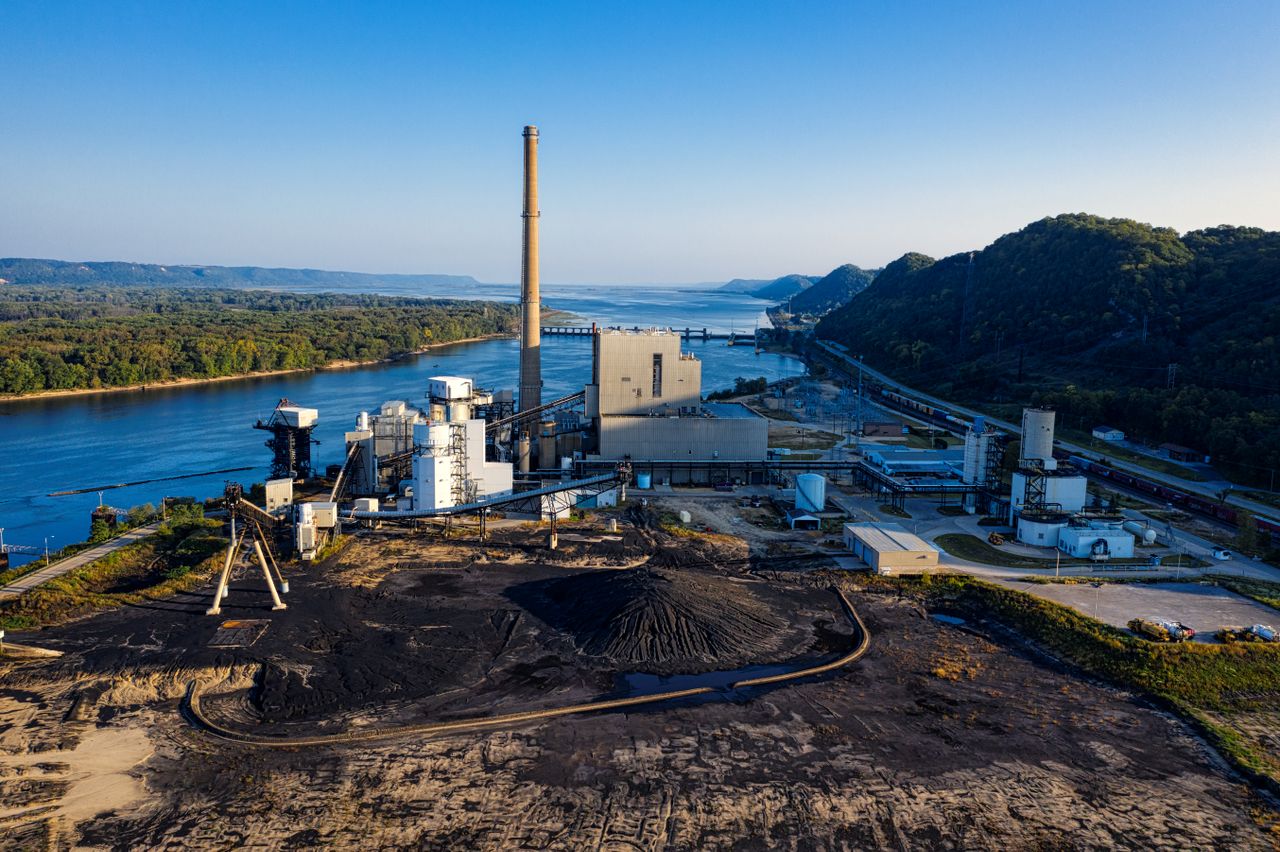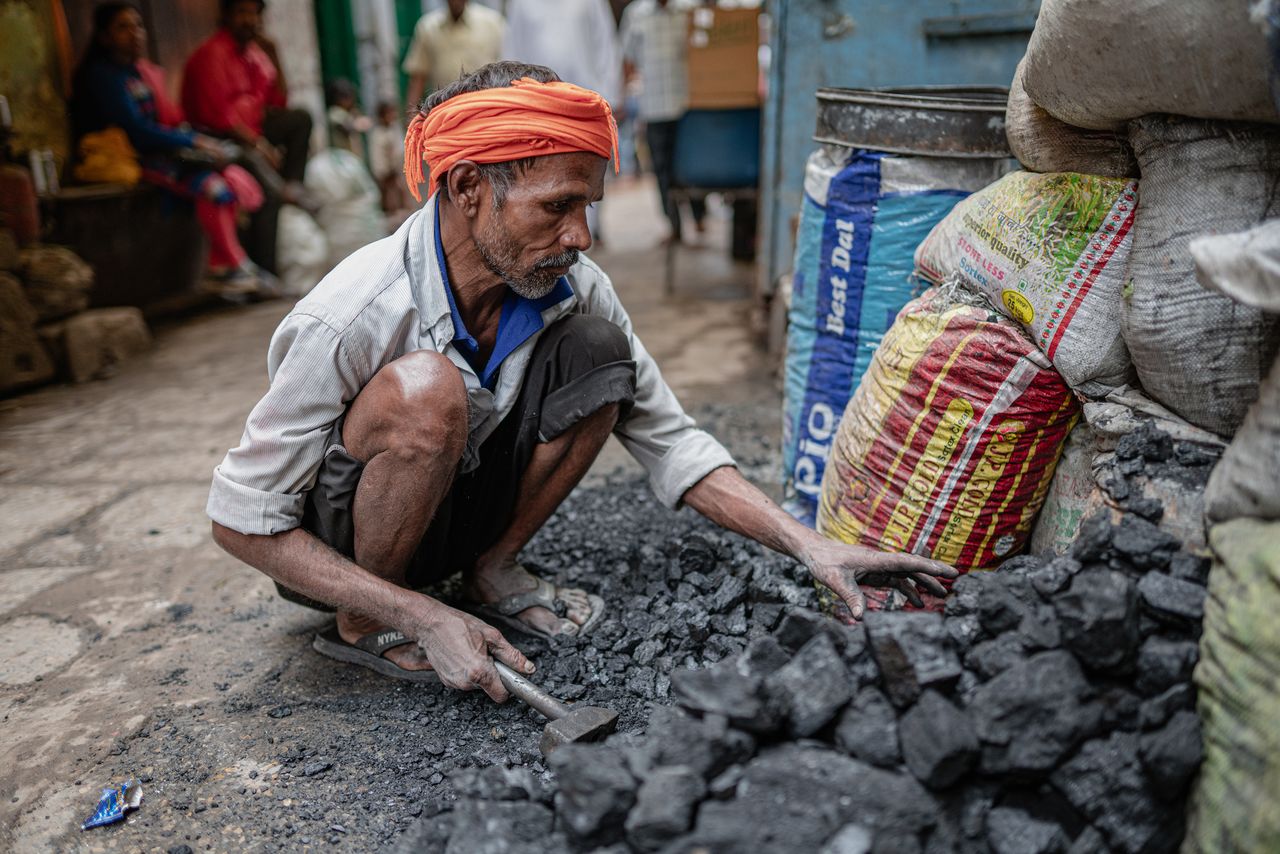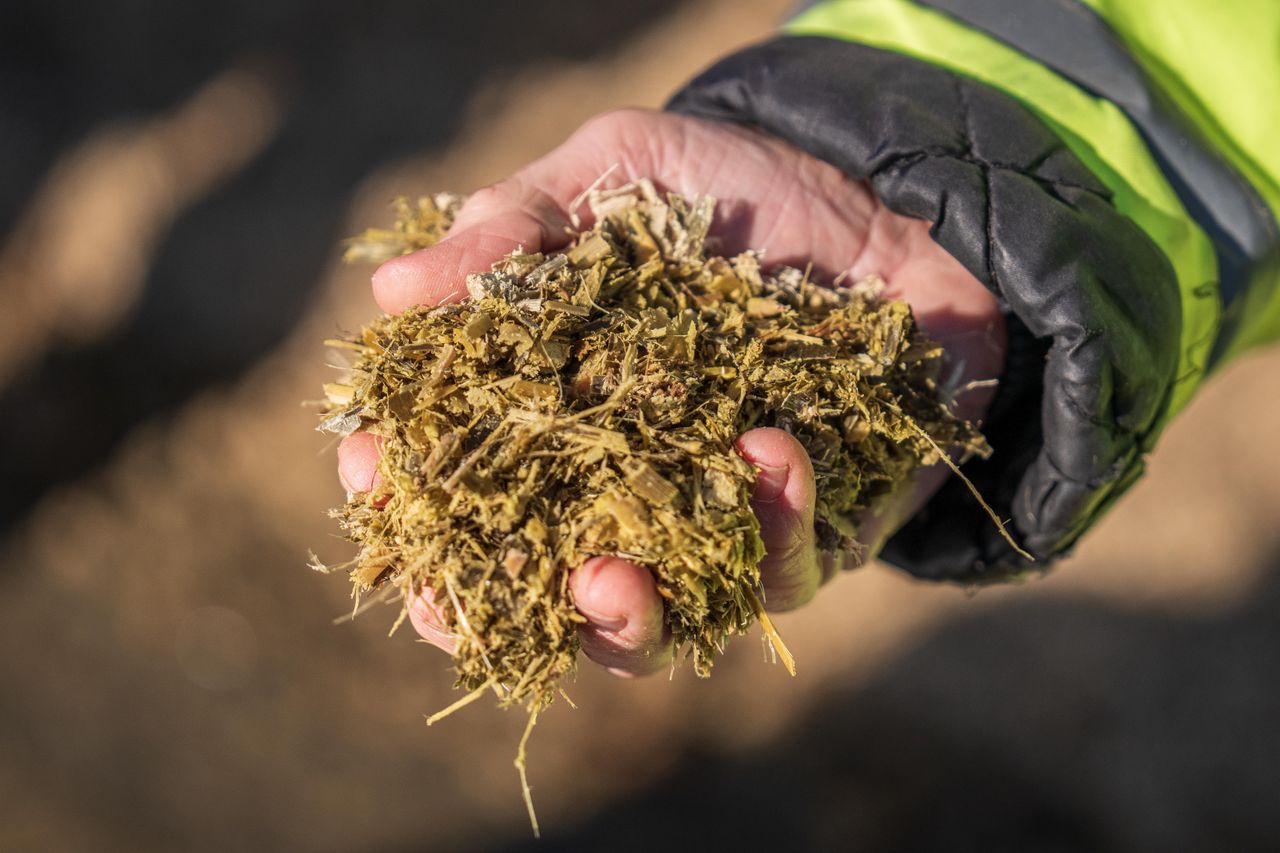
A decade ago, biomass was filed under “alternative energy,” a footnote next to solar and wind in most renewable energy conversations. In 2026, biomass power generation alone is a market worth well over USD 100 billion globally, utilities across three continents are converting coal plants to run on it, and countries like Indonesia have shifted from being a marginal supplier to a structurally important one. This is a guide to what’s actually driving that shift, and where the opportunity sits for buyers and producers navigating the global biomass trade this year.
What “Biomass” Actually Covers in 2026
Biomass refers to organic material, agricultural residues, forestry waste, purpose-grown energy crops, and processing byproducts, converted into usable energy or industrial material through combustion, gasification, anaerobic digestion, or pyrolysis. That definition sounds broad because the category genuinely is broad: it spans everything from wood pellets burned in a converted coal plant to palm kernel shells co-fired in an Asian utility to rice husks composted on a farm.
According to Fortune Business Insights, the global biomass power generation market alone was valued at approximately USD 105.8 billion in 2026 and is projected to reach USD 152.68 billion by 2032, growing at a compound annual growth rate of roughly 4.35 percent. That figure covers electricity generation specifically; when heating, industrial process fuel, and biofuel applications are included, the broader bioenergy category is considerably larger still. The point for buyers and suppliers alike is that biomass has moved well past the pilot-project stage into genuine infrastructure-scale deployment.
Three Regional Stories Driving Global Biomass Demand
Europe: Policy-Anchored, Utility-Scale Demand
Europe remains the largest single biomass market globally, a position built on the European Union’s Renewable Energy Directive, carbon pricing mechanisms, and a wave of utility-scale coal-to-biomass power plant conversions over the past several years. This demand is notably durable because it’s structural rather than cyclical: utilities that have converted major generating units to biomass need consistent, contracted fuel supply measured in years, not spot-market purchases, which is exactly why long-term supplier relationships and certification compliance matter so much in this market.
Asia-Pacific: The Fastest-Growing Region, and Indonesia’s Rising Role Within It
Asia-Pacific is consistently identified as the fastest-growing biomass region heading into the next decade, driven by China, India, and Japan all investing heavily in biomass-to-energy infrastructure to strengthen energy security and manage organic waste sustainably. A concrete example of this shift: POWERCHINA connected its first Asia-Pacific biomass power project, a 12 megawatt facility in Bangka, Indonesia, to the grid, marking commercial operations for a plant type that barely existed in the region a decade earlier.
Indonesia’s own renewable energy sector reflects this momentum. According to Mordor Intelligence, Indonesia’s renewable energy capacity is projected to grow from 18.4 gigawatts in 2026 to 37.32 gigawatts by 2031, with bioenergy forming a meaningful part of that expansion alongside solar, wind, and geothermal. The country’s B40 biodiesel mandate, which allocated over 15 million kiloliters for 2025 alone and is scheduled to deepen further with a planned B50 shift, further embeds biomass and biofuel demand into Indonesia’s domestic energy policy, not just its export economy.
North America: Waste-to-Energy and Industrial Decarbonization
North American biomass demand centers more on industrial decarbonization and waste-to-energy applications than on the utility-scale conversions driving European demand, with pulp and paper, food processing, and chemical manufacturing sectors increasingly adopting biomass combined heat and power systems to reduce fossil fuel dependence and meet corporate sustainability targets.
Why Feedstock Fragmentation Is the Industry’s Real Challenge
Biomass power generation’s biggest structural challenge isn’t technology, it’s supply chain fragmentation. Because biomass sources span so many different materials, agricultural residues, forestry waste, purpose-grown crops, and industrial byproducts, sourced from geographically dispersed and often seasonal origins, building a reliable, continuous fuel supply chain is genuinely harder than sourcing a single conventional fuel like coal or gas. This is precisely why vertically integrated suppliers, companies that control sourcing from multiple mills or plantations rather than depending on a single feedstock origin, have become increasingly important to buyers who can’t afford supply interruptions at a converted power plant or industrial boiler.
What This Means for Biomass Buyers in 2026
Certification and Traceability Are No Longer Optional
As biomass has scaled from niche to infrastructure, so has scrutiny of how it’s sourced. Buyers across every biomass category, whether sourcing wood pellets, palm kernel shells, or agricultural residues, should expect legality verification, chain of custody documentation, and laboratory-confirmed specifications to be standard requirements rather than premium add-ons, particularly for shipments destined for markets with tightening sustainability regulation.
Diversified Supply Chains Reduce Risk
Given the fragmentation challenge described above, buyers building long-term biomass procurement strategies benefit from suppliers who source across multiple feedstock origins and maintain buffer inventory, reducing exposure to the seasonal and regional supply disruptions that single-source arrangements are especially vulnerable to.
Indonesia Is Becoming a Structurally Important Supply Origin, Not Just an Opportunistic One
The scale of Indonesia’s own renewable energy build-out, combined with its established position as a major biomass exporter to Japan, South Korea, and increasingly Europe and the Middle East, means the country’s biomass sector is maturing into permanent infrastructure rather than a temporary export opportunity tied to short-term price arbitrage.
Explore Our Product-Specific Biomass Guides
Tropic World Paradise supplies a full range of certified biomass products across these applications. For deeper, product-specific sourcing guidance, explore our dedicated guides on Wood Pellets, Palm Kernel Shells (PKS), Palm Empty Fruit Bunches (EFB), Wood Chips, Wood Logs, and Wood Shavings, each covering the specific market dynamics, certification requirements, and sourcing considerations relevant to that fuel category.
Sourcing Certified Biomass at Scale from Indonesia
Tropic World Paradise is an Indonesian exporter of high-calorific biomass products, including wood pellets, palm kernel shells, coconut shell charcoal, rice husks, and biomass briquettes, built on a vertically integrated supply chain that spans plantations and processing facilities across Sumatra and Kalimantan through to port. Every shipment ships with ISO 9001:2015 quality certification, FSC Chain of Custody documentation, SVLK legality verification, and laboratory analysis confirming moisture content and calorific value, giving procurement and sustainability teams the documentation needed to satisfy compliance and customs clearance across destination markets.
Frequently Asked Questions
- What is the difference between biomass power generation and the broader bioenergy market? Biomass power generation refers specifically to electricity produced from organic material, while the broader bioenergy category also includes heating applications, industrial process fuel, and biofuels used in transportation, making it a considerably larger overall market.
- Why is Asia-Pacific considered the fastest-growing biomass region? China, India, and Japan are all investing heavily in biomass-to-energy infrastructure to strengthen energy security and manage organic waste, while countries like Indonesia are simultaneously scaling both domestic biomass consumption and export capacity.
- Why does feedstock fragmentation matter for biomass buyers? Because biomass sources span many different materials from geographically dispersed and often seasonal origins, buyers face genuine supply continuity risk unless they work with suppliers who source across multiple feedstock origins rather than depending on a single supply point.
- Is Indonesia’s biomass export sector still an emerging opportunity or a mature market? Indonesia’s biomass sector is maturing into structurally important infrastructure, supported by both its own renewable energy build-out and established export relationships with Japan, South Korea, and other major biomass-importing markets.
- What certification should I expect from a serious biomass supplier? At minimum, expect legality verification such as SVLK, chain of custody documentation such as FSC, and laboratory analysis confirming moisture content and calorific value for every shipment, regardless of which biomass product category you’re sourcing.
Ready to Build a Reliable Biomass Supply Chain for 2026?
Whether you’re sourcing a single biomass product or building a diversified multi-fuel procurement strategy, Tropic World Paradise can structure shipments that match your specification, certification, and delivery requirements across our full product range. Request an instant quote or browse our full biomass product catalog to explore your options.