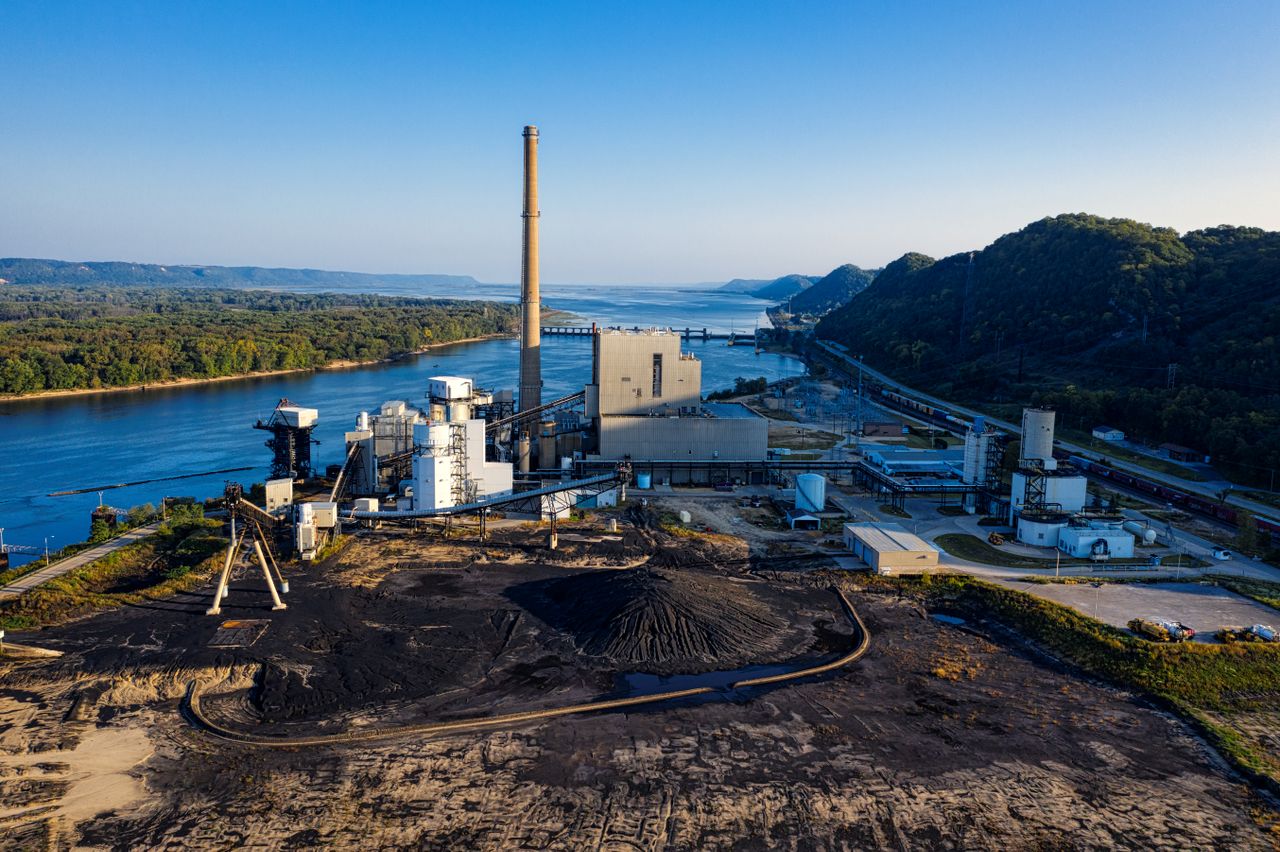
A decade ago, palm kernel shells were an afterthought, a hard, dark residue swept aside after palm oil extraction. Today, ships loaded with PKS are queuing for berths at Japanese and South Korean ports, feeding a wave of new biomass power plants racing to replace coal. For buyers trying to understand where this market is heading and how to secure reliable volumes, 2026 is proving to be a pivotal year.
What Are Palm Kernel Shells, and Why Are They in Such High Demand?
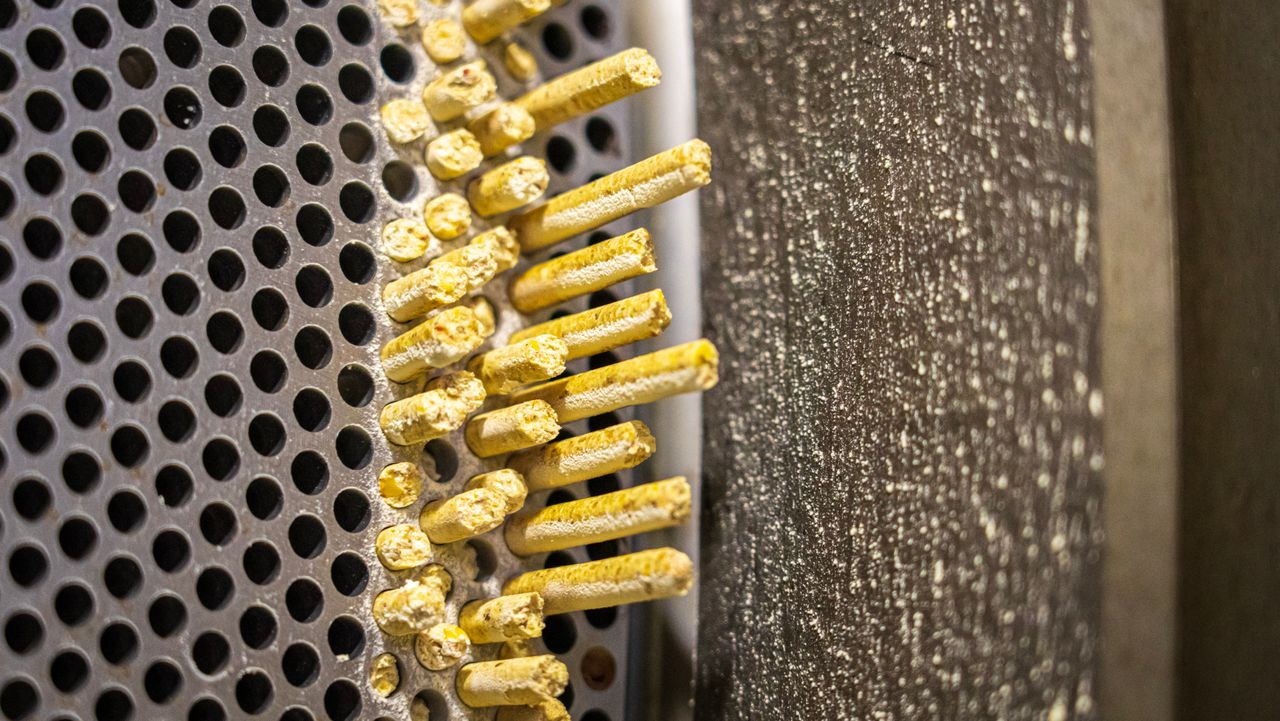
Palm kernel shells (PKS) are the hard, fibrous endocarp that surrounds the kernel inside an oil palm fruit, separated out during palm kernel oil processing. Unlike softer biomass residues, PKS has a naturally low moisture content, high calorific value, and dense, uniform particle structure, properties that make it unusually well suited to direct combustion and co-firing in existing coal infrastructure with little to no equipment modification.
That last point matters enormously for utilities. Facilities can typically begin blending PKS into existing coal-fired boilers at 10 to 20 percent co-firing ratios and increase the proportion over time, allowing a gradual, lower-risk transition away from fossil fuels rather than a costly full plant conversion. This practical advantage, more than any single policy, is what has turned PKS into one of the most actively traded solid biomass fuels in the world.
The Numbers Behind the 2026 Boom
Market research places the global PKS market at approximately USD 1.31 billion in 2025, up sharply from roughly USD 820 million just five years earlier, with continued expansion projected at a compound annual growth rate of around 8.5 percent through 2032. The Asia-Pacific region dominates this market by a wide margin, driven almost entirely by two countries.
Japan and South Korea: The Engines of Global PKS Demand
Japan’s biomass power sector has expanded rapidly under its feed-in tariff framework, and PKS has become one of its preferred imported fuels. According to Argus Media, Japan’s PKS imports have repeatedly hit new highs as fresh biomass-fired capacity comes online, including plants such as the 46 megawatt Imari facility and additional projects in the 50 to 75 megawatt range entering commercial operation through 2026. South Korea, running its own renewable portfolio standard obligations, remains one of the other dominant import markets, alongside growing interest from Thailand and select European buyers expanding biomass co-firing programs.
This concentrated demand has structural consequences for the market. Because so much of global PKS trade flows toward a small number of large importing utilities, buyers who are not locked into long-term supply contracts with major producers can face real competition for consistent volumes, particularly during the palm oil sector’s seasonal low points.
Europe’s Slower but Steady Entry
While Japan and South Korea account for the bulk of global PKS trade, European demand has grown more gradually, tied to the region’s ongoing biomass co-firing expansion and tightening sustainability criteria for imported solid biofuels. Analysts at Fortune Business Insights note that the broader biomass fuel category, spanning both wood pellets and PKS, is expected to nearly double in value by the early 2030s as industries such as cement, chemicals, and food processing increasingly adopt biomass to displace oil and gas heating.
Key Applications Driving PKS Purchasing Decisions
- Utility-scale co-firing. Coal power plants blend PKS into existing boilers to reduce emissions intensity without full infrastructure replacement, the single largest demand driver globally.
- Dedicated biomass power generation. Purpose-built biomass power plants, particularly across Japan and South Korea, run primarily or entirely on imported PKS and similar solid biofuels.
- Industrial boiler fuel. Cement, chemical, and food processing facilities use PKS as a lower-cost, lower-emission alternative to coal and heavy fuel oil for process heating.
- Charcoal and activated carbon feedstock. Beyond direct combustion, PKS also serves as a raw material input for charcoal production and activated carbon manufacturing, an increasingly important secondary market as demand for filtration media grows globally.
What Buyers Should Evaluate Before Committing to a PKS Supplier
Screened vs. Unscreened Shell Quality
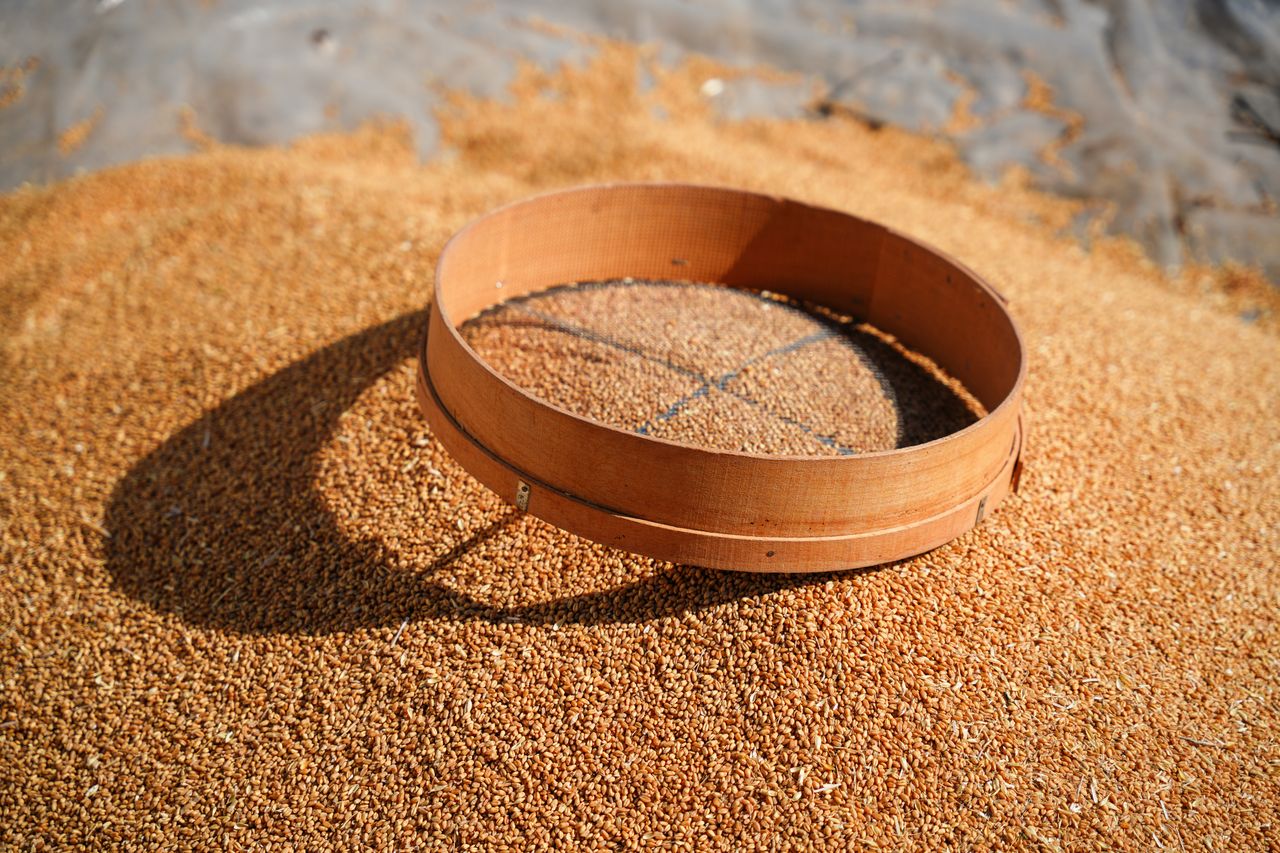
Screened PKS, meaning shell material that has been sorted to remove fiber, dust, and undersized particles, commands a meaningful quality premium over unscreened material because it burns more consistently and produces less ash and slagging in boiler systems. According to Tridge’s market overview, international trade demand for PKS is strongly policy- and certification-driven, with buyers increasingly specifying screened, moisture-controlled material to meet plant performance and sustainability requirements. Buyers should always request particle size distribution and screening specifications before finalizing a bulk order, since unscreened material that looks similar on delivery can behave very differently inside a boiler.
Moisture Content and Calorific Value
PKS calorific value typically ranges between 4,000 and 4,500 kcal/kg when properly dried, but moisture content can vary meaningfully depending on handling and storage conditions at the mill. Requesting laboratory analysis confirming moisture percentage, ash content, and calorific value for each shipment is standard practice among serious utility and industrial buyers, and any supplier unwilling to provide this documentation should be treated as a red flag.
Supply Chain Reliability During Seasonal Swings
Because palm kernel extraction volume tracks palm oil production, PKS availability tightens during the industry’s seasonal low points, which can put pressure on spot buyers who do not have contracted volumes secured in advance. Utilities and industrial buyers managing continuous combustion operations are generally better served by suppliers who source from multiple mills and maintain buffer inventory, reducing exposure to any single region’s harvest timing.
Sourcing Certified Palm Kernel Shells from Indonesia
Tropic World Paradise supplies Palm Kernel Shells (PKS) sourced from processing facilities across Indonesia’s palm oil regions, with laboratory documentation confirming moisture content, calorific value, and ash content on every shipment. For buyers building a broader biomass fuel portfolio, PKS pairs naturally with other products in our catalog, including Coconut Shell Charcoal for higher-value carbonized fuel applications, Palm Empty Fruit Bunches for buyers seeking complementary palm-derived biomass, and Wood Pellets for facilities running mixed-fuel combustion systems. Every order ships with ISO 9001:2015 quality certification, SVLK legality verification, and Carbon Footprint Certified documentation, giving procurement and sustainability teams the paperwork needed to satisfy plant-level compliance and customs clearance without delay.
Frequently Asked Questions
- What is the difference between palm kernel shells and empty fruit bunches? PKS is the hard, dense shell surrounding the palm kernel nut, with high calorific value and low moisture, while empty fruit bunches are the fibrous stalk residue left after fruit is stripped away, generally used for compost, biochar, and lower-density fuel applications. Both are palm oil byproducts, but they have different physical properties and end uses.
- Why are Japan and South Korea the biggest PKS importers? Both countries have expanded biomass power generation capacity under national renewable energy incentive frameworks, and PKS’s high calorific value and coal co-firing compatibility make it one of the most practical imported fuels for meeting those targets.
- What calorific value should I expect from good-quality PKS? Properly dried PKS typically delivers a calorific value between 4,000 and 4,500 kcal/kg, though buyers should always confirm this with batch-specific laboratory analysis rather than relying on general specifications.
- Can PKS be used in an existing coal-fired power plant without major modifications? Yes. Many facilities begin with co-firing ratios of 10 to 20 percent PKS blended with coal and increase that share gradually, which allows plants to reduce emissions using existing boiler infrastructure rather than undertaking a full conversion.
- How can I avoid quality inconsistency when sourcing PKS internationally? Request screened, moisture-controlled material with laboratory documentation for every shipment, and work with a supplier who sources from multiple mills to reduce the risk of seasonal supply gaps affecting your delivery schedule.
Ready to Secure Reliable PKS Supply for 2026 and Beyond?
Whether you’re managing a coal co-firing program, running a dedicated biomass power facility, or sourcing feedstock for industrial boilers, Tropic World Paradise can structure a shipment that matches your calorific and moisture specifications. Request an instant quote or browse our full biomass product catalog to compare options before you order.