Palm oil processing generates several biomass byproducts with confusingly similar names, and few pairs cause more sourcing mix-ups than palm husk and palm kernel shell. Both come from the same oil palm fruit, both are marketed as biomass fuel, and both show up on supplier lists side by side. But they are physically different materials with different calorific values, different moisture behavior, and different roles in a boiler’s fuel mix, and treating them as interchangeable is one of the most common specification errors buyers make.
This guide clarifies exactly what separates the two, so buyers can order the right material for their combustion system instead of assuming “palm biomass” is a single product.
What Is Palm Husk?
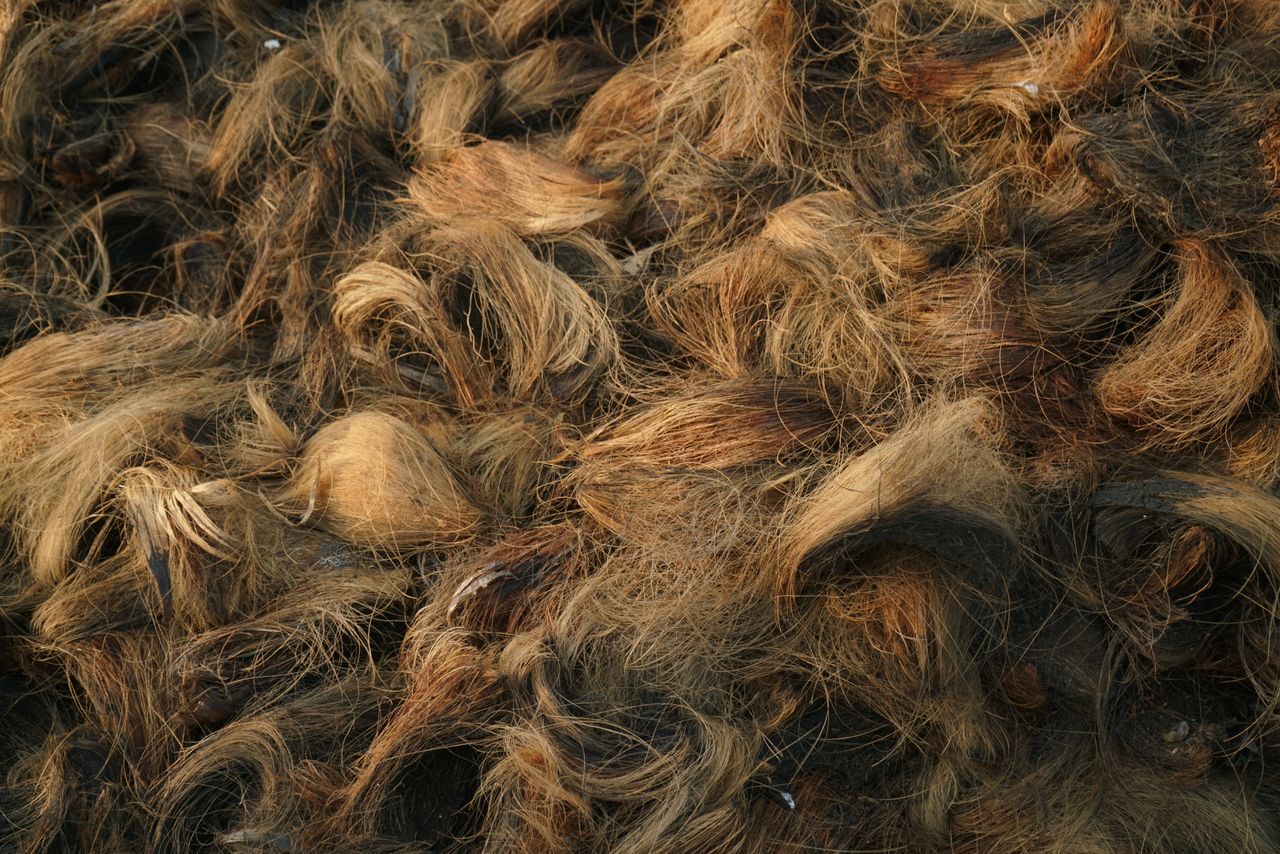
Palm husk, more precisely known as palm mesocarp fiber, is the fibrous middle layer of the oil palm fruit left over after oil extraction. It is a bulky, lightweight, highly variable material that typically retains some residual oil content from the pressing process, which affects its combustion behavior compared to drier biomass fuels.
What Is Palm Kernel Shell?
Palm kernel shell (PKS) is the hard, dense shell fragment left after the inner kernel is cracked open to extract kernel oil. Unlike the fibrous, bulky husk, PKS is a dense, granular material that behaves much more like a conventional solid fuel in storage, handling, and combustion.
Specifications Buyers Confuse Most
Calorific Value
This is the biggest performance gap between the two materials. According to research on palm oil biomass fuels published in ScienceDirect, densified mesocarp fiber produced a calorific value of roughly 15 megajoules per kilogram in torrefaction testing, while palm kernel shell is widely documented across biomass fuel studies as delivering a notably higher calorific value, generally in the range of 18 to 19 megajoules per kilogram, comparable to premium hardwood biomass fuels. Buyers who assume both materials deliver similar heat output per ton often significantly underestimate the fuel volume needed when working with husk.
Moisture Content
Palm husk is inherently more difficult to manage on moisture, since fresh mesocarp fiber retains residual oil and moisture from the pressing process and tends to be hygroscopic, absorbing ambient moisture during storage. Palm kernel shell, by contrast, is a much drier, more stable material straight from processing, commonly in the 6 to 8 percent moisture range, which is a major reason PKS travels and stores better over long export distances.
Bulk Density and Handling
Husk’s fibrous, bulky structure gives it a low bulk density, meaning a given weight of material takes up significantly more storage and shipping volume than the same weight of PKS. According to CM Biomass, palm kernel shell’s high density and uniform particle size make it well suited for cofiring with other solid fuels like wood chips and coal, since it integrates easily with existing handling and logistics infrastructure, a characteristic husk generally cannot match.
Ash Content
Ash content varies more for palm husk depending on processing and any blending with other fibers, sometimes running considerably higher than PKS in specific studies. PKS ash content is more consistently documented in the moderate range, though it still varies by batch, which is why buyers on either material should request lab-verified figures rather than relying on general industry averages.
Why the Confusion Happens
Both Are Marketed as “Palm Biomass”
Suppliers and buyers alike often use “palm biomass” as a catch-all term covering husk, shell, empty fruit bunch, and fiber, without distinguishing between materials that behave very differently in combustion. This loose terminology is the root cause of most specification mismatches.
Both Originate From the Same Fruit
Because husk and shell come from the same oil palm fruit and are frequently sold by the same mills, buyers sometimes assume pricing and performance are similar across both, when in practice they are priced and specified as distinct commodities.
Which One Should You Order?
For Boilers Requiring High, Consistent Calorific Value
Palm kernel shell is generally the stronger choice for buyers who need dense, predictable fuel with minimal moisture variability, particularly for export shipments or long-distance delivery where consistent performance on arrival matters.
For Mills With On-Site Fiber Availability and Boiler Flexibility
Palm husk can be a cost-effective fuel option, particularly for palm oil mills using their own mesocarp fiber on-site for captive boilers, where transport distance is minimal and moisture management can be handled through proper storage and drying infrastructure.
For Blended Fuel Strategies
Some buyers deliberately blend husk and shell to balance cost against calorific performance, using PKS to raise the fuel mix’s overall heat output while incorporating lower-cost husk to manage total fuel spend. This approach requires careful ratio testing to ensure boiler performance remains consistent.
What to Request Before Ordering Either Material
Ask suppliers for lab-verified calorific value, moisture content, ash content, and bulk density figures specific to the shipment being quoted, not general industry averages. For palm kernel shell in particular, confirm particle size consistency, since this affects feed rate and combustion behavior in automated boiler systems.
Sourcing Palm Husk and Palm Kernel Shell from Tropic World Paradise
PT Tropic World Paradise supplies both palm husk and palm kernel shell sourced from Indonesia’s palm oil processing industry, with verified specifications suited to boiler fuel and cofiring applications. As part of a wider portfolio of biomass products, the company supports buyers across Asia, Europe, and the Middle East with consistent quality and full traceability from mill to port.
Frequently Asked Questions
Is palm kernel shell better than palm husk as a fuel? For applications requiring high, consistent calorific value and stable moisture, yes. Palm kernel shell generally outperforms husk on heat output per ton and handles storage and shipping more predictably.
Why does palm husk have higher moisture than palm kernel shell? Palm husk retains residual oil and moisture from the pressing process and is naturally more hygroscopic, absorbing ambient moisture during storage, while palm kernel shell is a drier, denser material from the start.
Can palm husk and palm kernel shell be blended as fuel? Yes, some buyers blend the two to balance cost and calorific performance, though the mix ratio should be tested carefully to maintain consistent boiler combustion.
Why is palm kernel shell more commonly exported than palm husk? Its higher density, lower moisture, and more stable storage behavior make PKS better suited to long-distance shipping compared to husk’s bulkier, more moisture-sensitive profile.
What specifications should I request before ordering palm biomass fuel? Request lab-verified calorific value, moisture content, ash content, and bulk density for the specific shipment, along with particle size data if the fuel will run through automated feed systems.
Ready to Source Palm Husk or Palm Kernel Shell?
Whether you need palm husk for on-site boiler use or palm kernel shell for export-grade fuel, Tropic World Paradise offers verified specifications and dependable global supply. Request a Quote or Contact Our Team to discuss your requirements today.