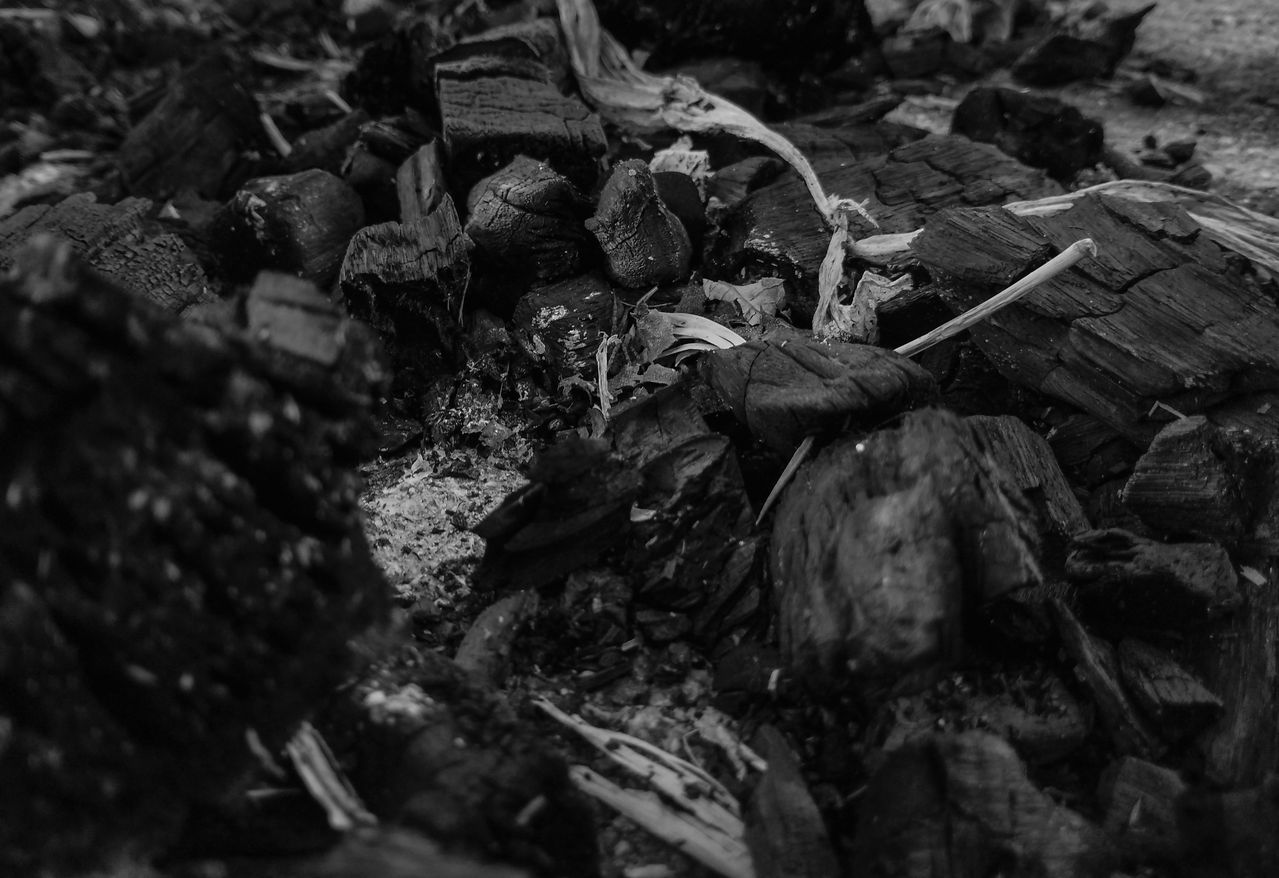
Indonesian charcoal for Taiwan buyers is becoming a more visible sourcing conversation as the island’s grilling and hospitality scene expands well beyond its traditional night-market roots. Taiwan has its own established charcoal manufacturing base one that, notably, blends traditional Japanese carbonization techniques with modern production efficiency but rising demand from premium BBQ restaurants, yakiniku-style dining, and a growing direct-to-consumer retail channel is pushing buyers to look outward for consistent, high-quality raw material and finished charcoal products. Indonesia, with its combination of tropical hardwood resources, established coconut shell processing capacity, and export experience, is increasingly part of that conversation.
Taiwan’s Charcoal Market Is Growing Faster Than Its Domestic Supply
The broader numbers behind this shift are worth understanding. The Asia-Pacific BBQ charcoal market was valued at roughly $1.85 billion in 2026 and is projected to expand to nearly $2.97 billion by 2035, according to market research from MarkWide Research, growing at a compound annual rate of 5.4%. That research specifically highlights Taipei, alongside Seoul, as a market where e-commerce platforms are increasingly disintermediating traditional wholesale distribution layers offering direct subscription replenishment services to high-end household grill owners who expect certified pyrolysis parameters and traceable sourcing documentation, not just a bag of generic charcoal from a hardware store shelf.
This retail sophistication mirrors what’s happening on the commercial side. Taiwan’s restaurant sector has seen continued growth in premium grilling formats Korean-style BBQ, Japanese yakiniku, and hot pot establishments that increasingly use charcoal-fired elements as a point of differentiation and these operators are far more specification-conscious than a typical backyard griller, since inconsistent burn quality or excessive smoke directly affects the dining experience they’re selling.
Why Taiwan Buyers Are Looking to Indonesia Specifically
Raw Material Access and Production Cost Advantages
Indonesia offers a combination that’s difficult for Taiwan’s domestic producers to fully replicate at scale: abundant tropical hardwood resources alongside enormous coconut shell supply generated as a byproduct of the country’s palm and coconut processing industries. This raw material access, combined with production costs that remain competitive relative to more established origins, gives Indonesian charcoal producers real pricing leverage particularly for buyers purchasing at commercial or wholesale volume rather than small retail lots.
Binchotan-Style Hardwood Charcoal for Premium Dining
For Taiwan’s premium restaurant segment, binchotan-style white charcoal hardwood charcoal produced using traditional Japanese carbonization methods has become a genuine point of menu differentiation. Southeast Asia has emerged as a competitive manufacturing hub for this product category, with Indonesian producers in regions like Java and Banten using tropical hardwoods to produce binchotan-style charcoal that offers much of the clean-burning, long-lasting performance chefs associate with authentic Japanese binchotan, at a materially lower cost and with far higher available production volume than Japan’s limited domestic output can supply.
Coconut Shell Charcoal for Volume and Value Segments
Away from the premium dining segment, coconut shell charcoal serves Taiwan’s broader commercial and household BBQ market, offering a consistent, cost-efficient alternative to hardwood lump charcoal. Because it’s produced from an agricultural by-product rather than harvested timber, it also tends to carry a straightforward sustainability narrative an increasingly relevant consideration as Taiwanese consumers and restaurant operators pay closer attention to sourcing claims on their menus and packaging.
What Quality and Documentation Taiwan Buyers Should Expect
Given the direction Taiwan’s market is moving toward certified pyrolysis parameters and traceable sourcing at the retail level, and toward specification-conscious procurement at the commercial level buyers evaluating an Indonesian charcoal supplier should expect, at minimum, documented raw material origin, third-party laboratory verification of key combustion characteristics such as fixed carbon content, ash content, and burn time, and clear evidence of sustainable or legally verified sourcing. Suppliers unable to provide this level of documentation are increasingly at a disadvantage as Taiwan’s charcoal buyers from e-commerce platforms to restaurant procurement teams build purchasing decisions around exactly these criteria.
Freight logistics also favor this relationship. Shipping routes from Indonesian ports to Taiwan are considerably shorter than routes from more distant charcoal-producing regions, which helps keep landed costs competitive and shortens the lead time buyers need to plan around when replenishing inventory for a growing e-commerce subscription channel or a restaurant group managing multiple locations. For buyers weighing origin options primarily on delivered cost and reliability, that shipping proximity is often as significant a factor as the raw material pricing itself.
Building a Reliable Supply Relationship for Taiwan’s Market
For Taiwan-based importers, distributors, and restaurant supply chains evaluating Indonesian charcoal for the first time, the practical starting point is matching product category to end use binchotan-style hardwood charcoal for premium dining and grilling formats, or coconut shell charcoal for broader commercial and retail volume and then validating a prospective supplier’s documentation, sample consistency, and shipping reliability before committing to a recurring contract. Given Taiwan’s growing appetite for both premium and value-tier charcoal products, a supplier capable of serving both segments from a single origin offers real procurement efficiency over managing multiple vendor relationships. Buyers exploring this category can review our coconut shell charcoal product line for specification details relevant to both retail and commercial applications.
Frequently Asked Questions
- Does Taiwan produce its own charcoal, or does it rely entirely on imports? Taiwan has an established domestic charcoal manufacturing base that combines traditional Japanese carbonization techniques with modern production methods, but rising premium and commercial demand has pushed buyers to source additional raw material and finished product from origins like Indonesia.
- What is the difference between binchotan-style charcoal and coconut shell charcoal for Taiwan buyers? Binchotan-style hardwood charcoal is typically used in premium dining formats like yakiniku and specialty grilling for its clean burn and long-lasting heat, while coconut shell charcoal serves broader commercial and household BBQ demand as a cost-efficient, consistent-burning alternative.
- Why is e-commerce charcoal retail growing in Taipei specifically? Direct-to-consumer subscription models are disintermediating traditional wholesale distribution, allowing high-end household grill owners in cities like Taipei to access certified, traceable charcoal products without going through multiple layers of distributors.
- What documentation should Taiwan buyers request from an Indonesian charcoal supplier? Buyers should expect documented raw material origin, third-party laboratory verification of combustion characteristics such as fixed carbon content and ash content, and evidence of sustainable or legally verified sourcing.
- Can one supplier serve both premium and value-tier charcoal demand in Taiwan? Yes. Many Indonesian producers offer both binchotan-style hardwood charcoal for premium dining segments and coconut shell charcoal for volume-driven commercial and retail markets, allowing Taiwan buyers to consolidate procurement with a single supplier.
Ready to Source Certified Charcoal for the Taiwan Market?
Whether you’re supplying premium dining establishments or building out a commercial BBQ product line, our team can walk you through grading, certification, and shipping options suited to Taiwan’s evolving charcoal market.