Corn cobs feed two industries that could not be more different. One buyer wants a soft, absorbent abrasive gentle enough to blast paint off a wooden boat without scratching it. Another wants a dense, high-calorific fuel that can hold its own in an industrial boiler. Both are asking for “corn cob,” but the grade, processing, and specification each one needs are almost nothing alike.
This guide breaks down what separates corn cob grit from corn cob fuel, so buyers order the right material for their industry instead of assuming one generic product fits every use case.
What Is Corn Cob Grit?
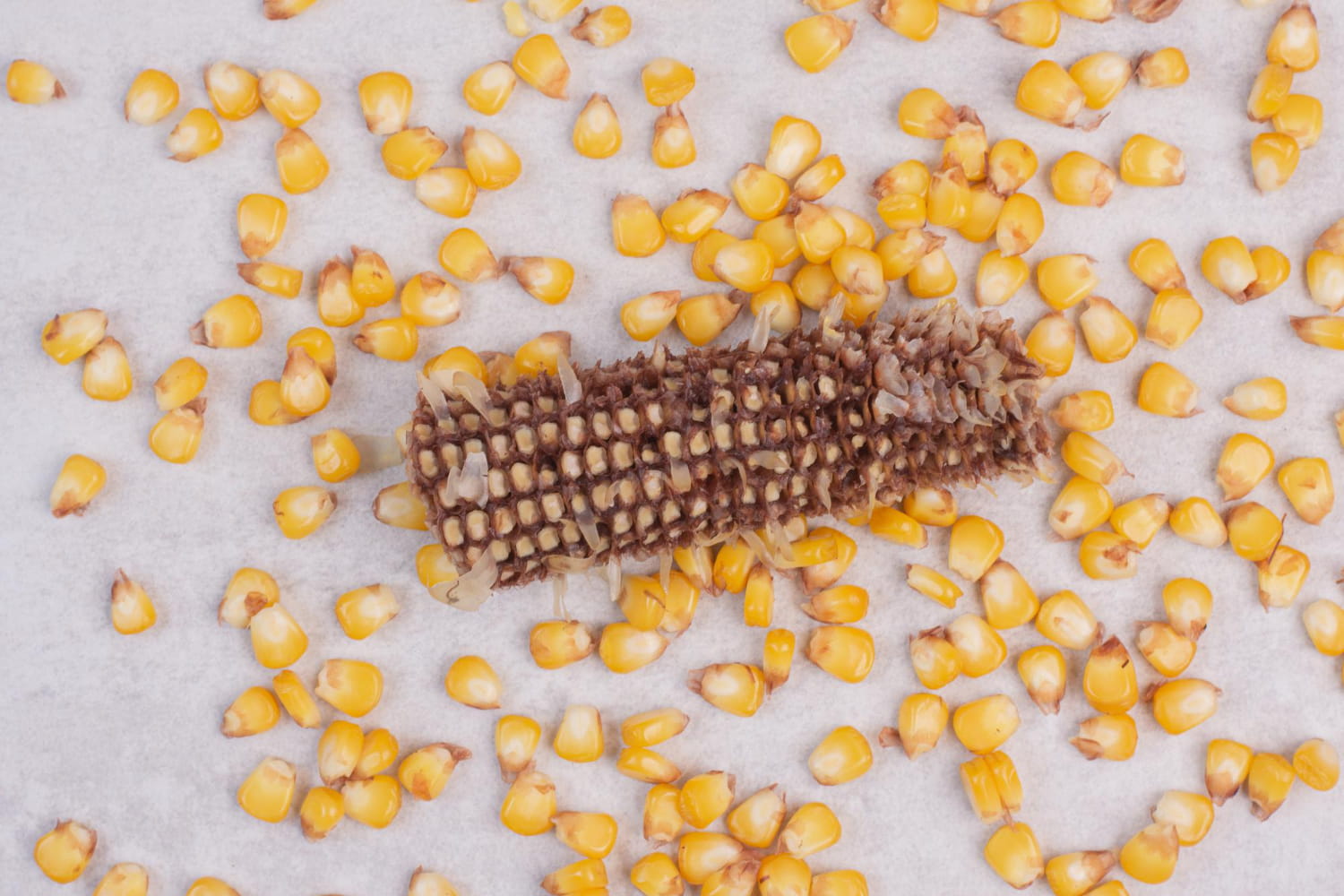
Corn cob grit is an abrasive and absorbent media produced from the hard, woody ring at the center of the corn cob, ground and screened into granular particles. According to Kramer Industries, corn cob media is available in mesh sizes ranging from coarse (10/14) to fine (40/60) depending on the application and desired finish, giving buyers flexibility to match particle size to their specific blasting or tumbling process.
What Is Corn Cob Fuel?
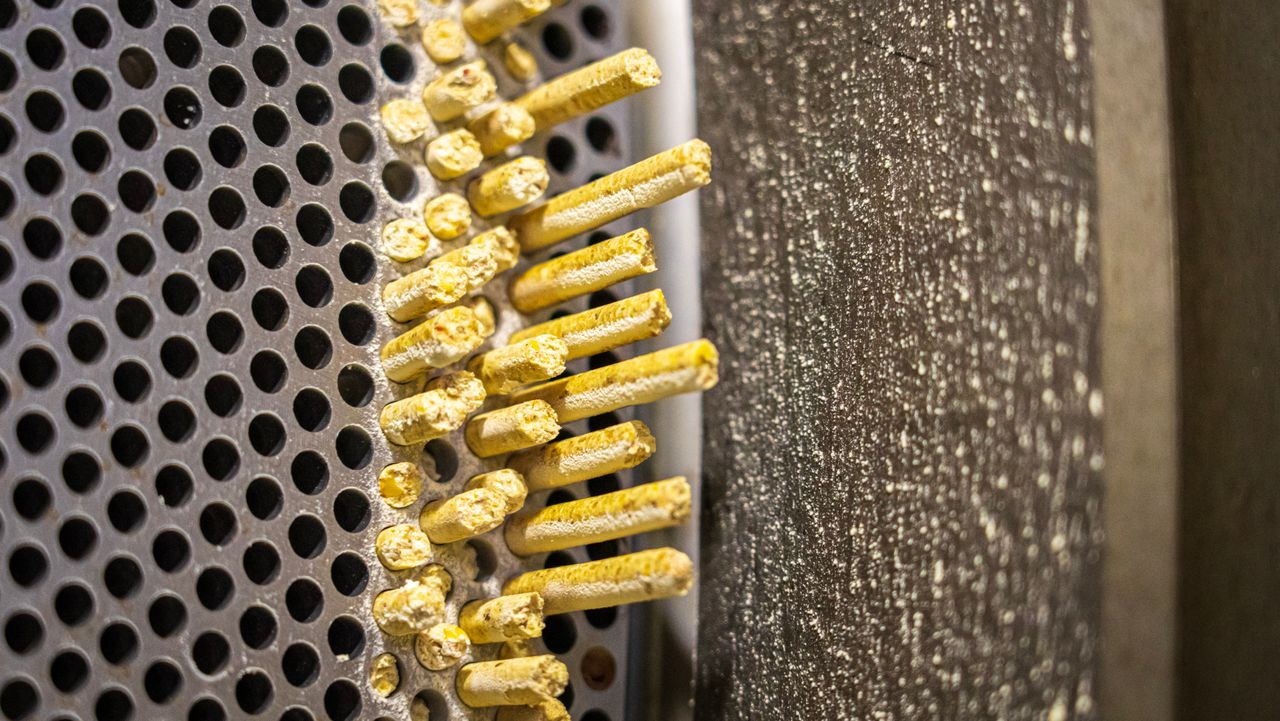
Corn cob fuel refers to whole or processed corn cobs, often compressed into pellets, used as a combustible biomass material for boilers, industrial heating, and power generation. Unlike grit, which is valued for its abrasive and absorbent physical properties, fuel-grade corn cob is valued for its energy content and combustion behavior.
Specifications That Matter for Corn Cob Grit
Hardness and Abrasiveness
Corn cob grit is a genuinely soft abrasive, rated around Mohs 4 to 4.5, which is what makes it suitable for delicate surfaces like wood, fiberglass, and soft metals where aggressive media like sand or steel grit would cause damage. This low hardness, combined with natural absorbency, allows corn cob grit to lift paint, oils, and residue without etching the underlying substrate.
Mesh Size and Particle Shape
Buyers should specify mesh size based on the finish required: coarse grades strip material faster but leave a rougher surface, while fine grades are gentler and better suited to precision finishing and polishing. Particle shape also matters, since angular, “cube-cut” particles tend to resist getting lodged in small gaps and crevices compared to flatter, irregularly shaped particles.
Moisture Content
Low moisture content is important for grit-grade corn cob, since higher moisture reduces absorbency and slows drying performance in blasting and tumbling applications. Premium grit suppliers typically target moisture content in the 4 to 10 percent range, well below what would be acceptable, or even relevant, for fuel-grade material.
Specifications That Matter for Corn Cob Fuel
Calorific Value
Fuel-grade corn cob performance is measured primarily by calorific value, not hardness. Research published in Agronomy found that dried corncob had a lower calorific value of approximately 17.35 megajoules per kilogram, comparable to other common agricultural biomass fuels, with the same study identifying an optimal pellet moisture content of around 12.4 percent for stable, combustible pellet production.
Ash Content
Ash content for corn cob fuel typically falls in a low to moderate range, with the same research reporting ash content around 1.78 percent for processed corncob pellets, though figures can vary depending on cob variety, harvest conditions, and processing method. Lower ash content generally means less residue buildup and reduced maintenance in boiler systems.
Pellet Density and Durability
For buyers using compressed corn cob pellets, pellet density and mechanical durability affect both storage efficiency and combustion consistency. Well-processed pellets should hold their shape through handling and transport without excessive crumbling, which would otherwise create dust and inconsistent feed rates in automated boiler systems.
Matching the Right Grade to Your Industry
Metal Finishing, Blasting, and Tumbling
Buyers in surface preparation, deburring, and mass finishing industries need grit-grade corn cob, specified by hardness, mesh size, and moisture content. Fuel-grade material would be far too inconsistent in particle size and hardness to perform reliably in blasting or tumbling equipment.
Industrial Boilers and Biomass Power
Buyers running industrial boilers or biomass power generation need fuel-grade corn cob, specified by calorific value, ash content, and moisture. Grit-grade material, while technically combustible, is processed and priced for an entirely different performance profile and would not represent good value as a fuel purchase.
Absorbent and Carrier Applications
Both grades can serve absorbent functions, corn cob grit as an oil and moisture absorbent in tumbling and finishing operations, and less-processed corn cob material as a carrier for fertilizers, feed additives, or other agricultural inputs. Buyers in this category should clarify absorbency requirements specifically, since this differs from both the abrasive and fuel specifications above.
Common Mistakes Buyers Make
Ordering “Corn Cob” Without Specifying Grade
The single most common sourcing mistake is requesting generic “corn cob” pricing without specifying whether the application requires grit or fuel grade. These two products are processed differently, priced differently, and are not interchangeable.
Assuming Fuel-Grade Cob Works for Blasting
Fuel-grade corn cob is typically coarser, less uniformly screened, and not calibrated for consistent hardness, making it unsuitable for precision blasting or finishing work regardless of how cost-effective it may appear on paper.
Overlooking Moisture Specifications
Moisture requirements differ significantly between the two grades. Grit buyers need low moisture for absorbency and drying performance, while fuel buyers need moisture controlled specifically for combustion efficiency and pellet stability, not simply “as low as possible.”
Sourcing Corn Cob Products from Tropic World Paradise
PT Tropic World Paradise supplies corn cob material sourced from Indonesia’s agricultural residues, with grade options suited to both industrial abrasive and biomass fuel applications. As part of a wider portfolio of biomass products, the company supports buyers across Asia, Europe, and the Middle East with verified specifications, competitive pricing, and full traceability from farm to port.
Frequently Asked Questions
Can corn cob fuel be used as an abrasive? No. Fuel-grade corn cob is not screened or calibrated for consistent hardness and particle size, making it unsuitable for precision blasting, tumbling, or finishing applications.
What mesh size should I choose for corn cob grit blasting? Coarse grades (around 10/14 mesh) strip material faster but leave a rougher finish, while fine grades (up to 40/60 mesh) are gentler and better suited to precision or delicate surface work.
What is the typical calorific value of corn cob fuel? Dried corn cob generally delivers a calorific value in the range of 16 to 18 megajoules per kilogram, making it a viable biomass fuel comparable to other common agricultural residues.
Why is corn cob grit safe for delicate surfaces? Its low Mohs hardness of around 4 to 4.5 allows it to strip paint, coatings, and residue without etching or damaging soft substrates like wood, fiberglass, or thin metal.
How should I specify my order to get the right corn cob grade? Clearly state your application, whether it’s blasting, tumbling, absorbency, or fuel combustion, along with required mesh size or calorific value, so the supplier can quote the correct grade rather than generic corn cob material.
Ready to Source the Right Corn Cob Grade for Your Industry?
Whether you need corn cob grit for abrasive applications or corn cob fuel for industrial boilers, Tropic World Paradise offers verified specifications and dependable global supply. Request a Quote or Contact Our Team to discuss your requirements today.