Hundreds of American water utilities have spent the past two years signing multi-year contracts for one raw material most consumers have never thought about: powdered activated carbon. A single federal drinking water rule has turned what used to be a routine procurement line item into a genuine supply chain priority, and the ripple effects are reaching well beyond municipal water treatment into food and beverage processing, metal extraction, and industrial gas purification. Here’s what’s actually driving US carbon powder demand in 2026, and what buyers should understand before locking in a supplier.
The Regulation Reshaping the Entire US Carbon Powder Market
The EPA’s PFAS Rule Created Genuine, Contracted Demand
The US Environmental Protection Agency finalized national drinking water limits for PFAS, the so-called “forever chemicals,” in April 2024, setting maximum contaminant levels for PFOA and PFOS at 4 parts per trillion. According to Hojee’s 2026 activated carbon market analysis, this rule is now reshaping the entire granular and powdered activated carbon supply chain, with hundreds of US water utilities signing five- to ten-year supply contracts to fund PFAS filtration infrastructure. As of early 2026, at least 15 US states have enacted their own PFAS drinking water limits covering more than 62 million people, with 31 additional states considering similar legislation, meaning this isn’t a temporary compliance spike but a demand floor that’s likely to persist and expand for years.
The Market Numbers Behind the Demand Surge
According to Mordor Intelligence, the US activated carbon market is projected to grow from approximately 223,640 tonnes in 2026 to 270,520 tonnes by 2031, a compound annual growth rate of roughly 3.88 percent by volume, with heightened PFAS enforcement, tighter mercury controls on the remaining coal power fleet, and expanding pharmaceutical production capacity all anchoring what analysts describe as an unusually predictable demand curve, one built on regulatory compliance rather than speculative industrial growth. Powdered activated carbon specifically holds the largest product segment share, since water treatment operators favor its dosing flexibility for fast-response contaminant removal in liquid treatment systems.
Real Contracts, Not Just Market Projections
This demand isn’t theoretical. Major industry investment has followed directly: Calgon Carbon announced a nearly USD 100 million expansion of drinking water activated carbon reactivation capacity at its Columbus, Ohio facility specifically to meet PFAS removal demand, and American Water signed a ten-state supply deal with Calgon Carbon to secure activated carbon volumes across its utility footprint. When buyers see individual companies making nine-figure capacity investments and utilities locking in multi-state, multi-year contracts, that’s a clear signal the demand is structural rather than cyclical.
Where Carbon Powder Demand Extends Beyond Water Treatment
Air and Gas Purification
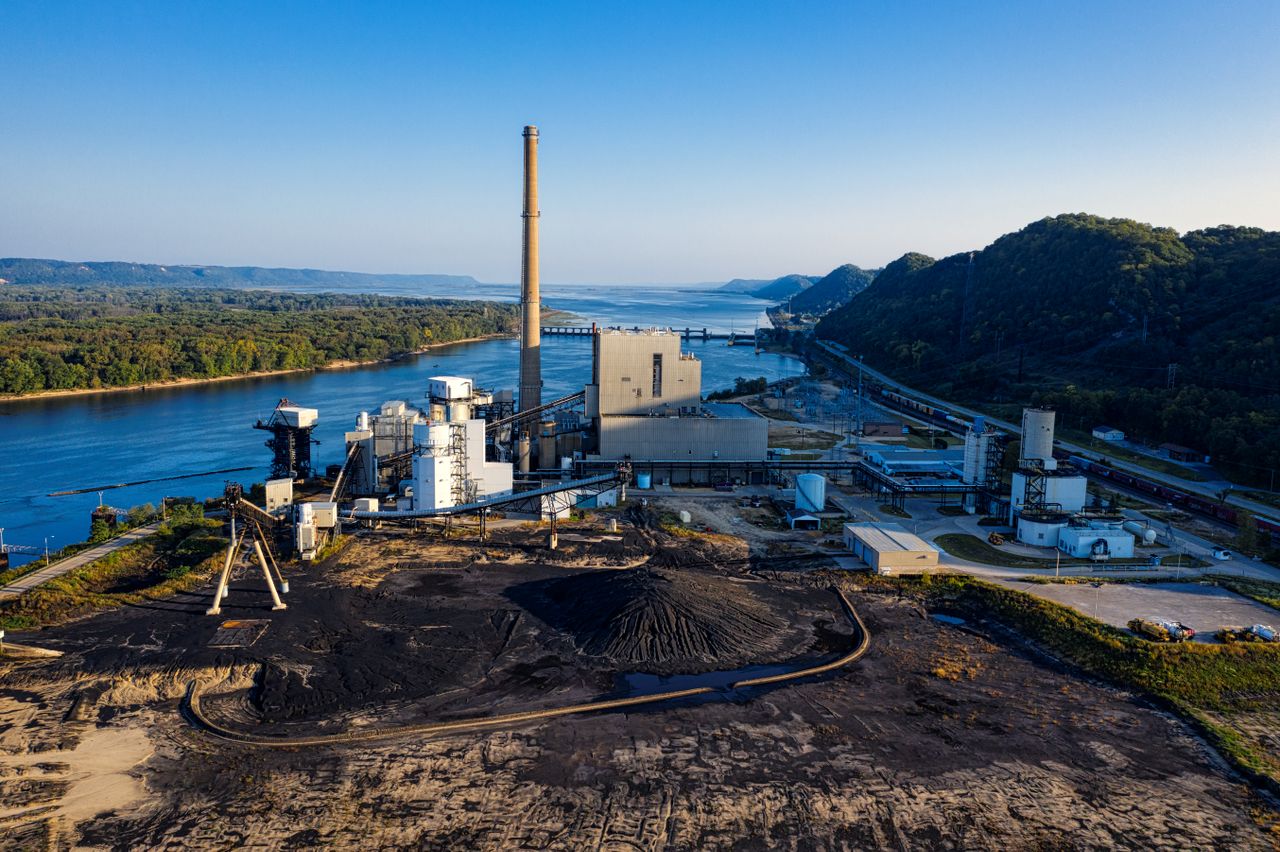
Powdered and granular carbon products play a central role in mercury emission control and volatile organic compound removal under US air quality regulation, particularly at facilities still operating coal-fired generation capacity subject to Mercury and Air Toxics Standards compliance requirements.
Food and Beverage Processing
Carbon powder is used extensively in food and beverage manufacturing for decolorization, purification, and taste and odor control, applications that require food-grade material with documented purity specifications rather than the industrial-grade carbon used in general filtration.
Metal Extraction and Industrial Processing
Carbon powder plays an established role in metal extraction processes, including gold recovery, where high-hardness, high-adsorption carbon captures dissolved metal from processing solutions. Beyond mining applications, general industrial processing facilities use carbon powder for wastewater treatment and process purification across a range of manufacturing operations.
Healthcare and Pharmaceutical Applications
Growing pharmaceutical manufacturing capacity in the US has added another demand channel, with carbon powder used in purification steps during drug manufacturing and formulation processes that require consistent, well-documented material specifications.
Why Feedstock Sourcing Has Become a Genuine Strategic Question
The Coconut Shell Supply Constraint Buyers Need to Understand
One of the underappreciated dynamics shaping this market in 2026 is upstream feedstock pressure. Coconut shell, the preferred raw material for premium activated carbon due to its dense micropore structure, has faced tightening global supply driven by aging plantations across major coconut-producing countries and insufficient replanting investment. This is precisely why several market analyses now list coconut shell supply tightness as a direct factor pushing buyers to secure long-term contracts rather than relying on spot market purchasing, since feedstock availability, not just finished product capacity, is increasingly the bottleneck utilities and industrial buyers need to plan around.
Why Supplier Diversification Matters More Than It Used To
Given that PFAS compliance deadlines are fixed by regulation while feedstock supply faces real constraints, buyers who depend on a single carbon powder source are exposed to genuine supply risk heading into a period of sustained, contracted demand. Establishing relationships with diversified, well-documented international suppliers, rather than relying entirely on domestic reactivation capacity or a single feedstock origin, has become a more prudent procurement strategy than it was even a few years ago.
What US Buyers Should Evaluate Before Committing to a Carbon Powder Supplier
Application-Specific Testing Documentation
Water treatment, food-grade, and metal extraction applications each require different performance verification. Request iodine number, ash content, and particle size distribution data specific to your intended use, rather than accepting generic activated carbon specifications that don’t confirm suitability for your actual application.
Consistent Supply Volume for Multi-Year Contracts
Given how many US utilities are now locking in five- to ten-year PFAS compliance contracts, buyers should evaluate whether a prospective supplier can realistically sustain the recurring volume such a contract requires, not just fulfill an initial trial order.
Raw Material Traceability
With coconut shell supply under pressure, confirm your supplier can document the actual origin and composition of the carbon material you’re purchasing, since blended or substituted feedstock is a known risk in a tightening supply market and can affect performance in specification-sensitive applications like PFAS removal.
Sourcing Carbon Powder Feedstock and Filtration Material from Indonesia
Tropic World Paradise supplies Carbon Powder as a fine, consistent-composition material suited to filtration, industrial processing, and further activation, alongside Coconut Shell Charcoal and Nut Shells for buyers seeking diversified carbon feedstock options amid tightening premium supply. Every shipment ships with ISO 9001:2015 quality certification, laboratory analysis confirming ash content and calorific value, and SVLK legality verification, giving US procurement teams the documentation needed to evaluate a diversified, well-traced supply source for long-term contract planning.
Frequently Asked Questions
- Why has US demand for activated carbon powder increased so much recently? The EPA’s PFAS drinking water rule, finalized in April 2024, has driven hundreds of US water utilities to sign multi-year activated carbon supply contracts to fund filtration infrastructure, creating sustained, regulation-driven demand rather than a temporary spike.
- What industries besides water treatment use carbon powder in the US? Carbon powder is used in air and gas purification for mercury and VOC control, food and beverage decolorization, metal extraction including gold recovery, and pharmaceutical manufacturing purification steps.
- Why is coconut shell supply relevant to US carbon powder buyers? Coconut shell, the preferred feedstock for premium activated carbon, has faced tightening global supply due to aging plantations and limited replanting, which several market analyses cite as a factor pushing buyers toward long-term contracts and diversified sourcing.
- What should I request before signing a long-term carbon powder supply contract? Request application-specific testing data such as iodine number and ash content, confirmation of consistent supply volume capacity, and raw material traceability documentation, particularly given current feedstock supply pressures.
- Is powdered or granular activated carbon better for water treatment applications? Powdered activated carbon offers dosing flexibility and fast contaminant removal favored by many water treatment operators, while granular activated carbon is often used in fixed-bed filtration systems; the right choice depends on your specific treatment system design.
Ready to Secure Reliable Carbon Powder Supply for Your US Operation?
Whether you’re supporting PFAS compliance infrastructure, industrial filtration, or metal extraction processing, Tropic World Paradise can supply certified carbon feedstock matched to your application and volume requirements. Request an instant quote or browse our full biomass and carbon product catalog to compare options before you order.