Buyers sourcing bulk carbon material for the first time often assume “carbon powder” and “activated carbon” are interchangeable terms for the same product. They are not, and ordering the wrong one can mean paying a premium for adsorption performance you don’t need, or receiving material that cannot do the purification job your process requires.
This guide breaks down what actually separates the two, so buyers can specify the right material instead of guessing based on a generic product listing.
What Is Carbon Powder?
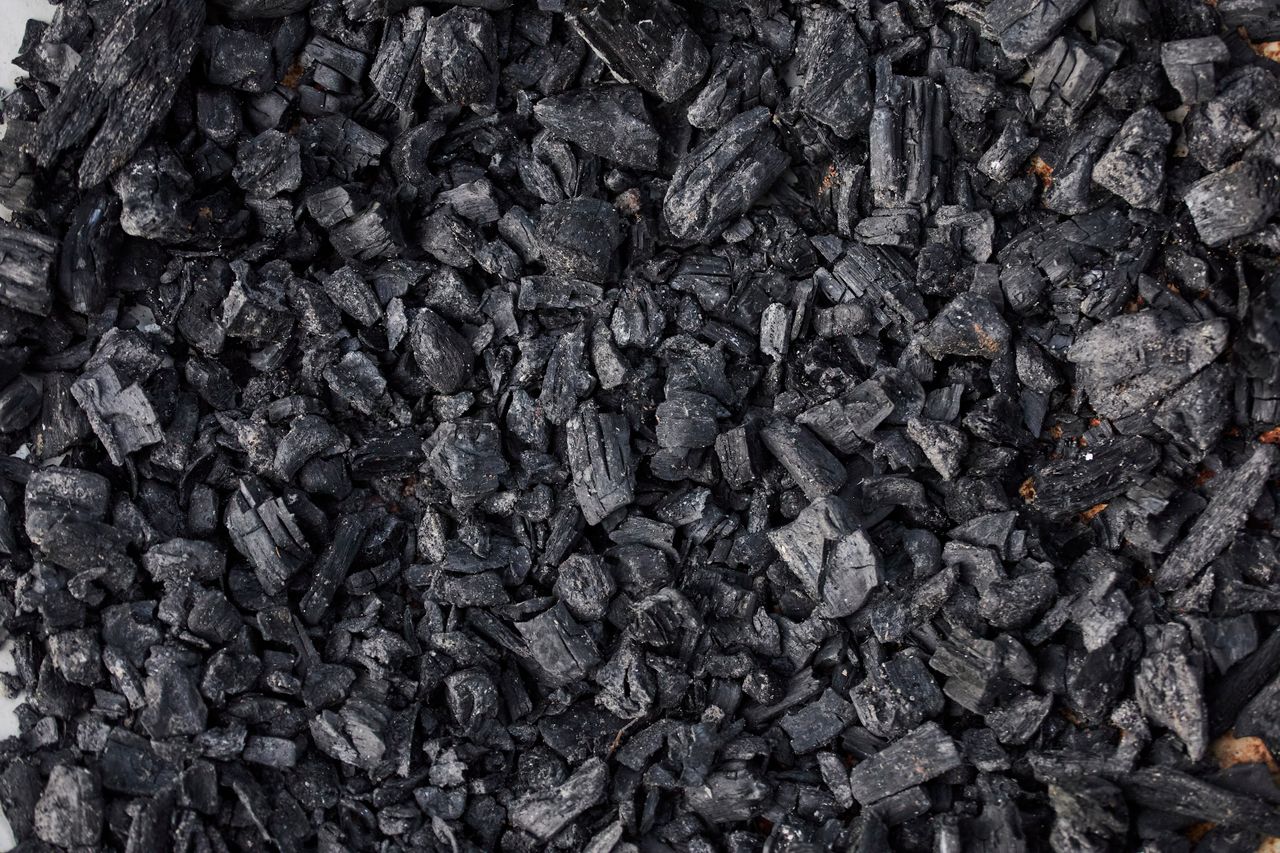
Carbon powder is a fine, high-carbon material produced from sources like biomass residues, coal, or petroleum by-products, typically through carbonization without a dedicated activation step. Its value comes primarily from carbon content, low moisture, and consistent particle size, which suit combustion, metallurgical, and industrial fuel applications rather than adsorption-heavy uses.
What Is Activated Carbon?
Activated carbon starts from the same kind of carbon-rich raw material but goes through an additional activation process, either physical (steam or gas activation at high temperature) or chemical (treatment with agents like phosphoric acid or zinc chloride), that deliberately creates a dense network of internal pores. According to ScienceDirect’s overview of powdered activated carbon, this porous structure gives activated carbon its large internal surface area, the property responsible for its ability to adsorb contaminants far more effectively than untreated carbon.
The Core Difference: Activation
Why Activation Changes Everything
Activation is what transforms ordinary carbon powder into a specialized adsorption material. The process selectively burns out or chemically etches internal structures within the carbon, opening up a network of micropores that dramatically increases surface area, often reaching several hundred to over a thousand square meters per gram. Raw carbon powder, without this step, has a comparatively small surface area and limited adsorption capacity, which is exactly why it is priced and marketed differently.
Powdered vs. Granular Activated Carbon
Within activated carbon itself, buyers will also encounter powdered activated carbon (PAC) and granular activated carbon (GAC). According to industry data from Bygen, PAC used in water treatment typically has around 90 percent of particles passing a 200-mesh sieve, making it fine enough to dose directly into liquids for fast-acting purification. GAC has larger particles and lower external surface area but is preferred for gas-phase applications and fixed-bed filtration systems where diffusion rate matters less than physical durability and reusability.
Application-by-Application Comparison
Metallurgy and Industrial Fuel
Raw carbon powder is the right choice for applications like steel and metal smelting, where the material functions as a reducing agent or fuel additive rather than an adsorbent. Activated carbon’s high surface area and higher price offer no real benefit here, since the application does not call for contaminant adsorption at all.
Water and Air Purification
This is where activated carbon, not raw carbon powder, is essential. Its porous structure allows it to trap organic contaminants, chlorine, odors, and volatile compounds far more effectively than untreated carbon, which is why municipal water treatment plants and air purification systems specify activated carbon rather than generic carbon powder.
Food, Beverage, and Chemical Decolorization
Activated carbon, particularly in powdered form, is widely used to strip unwanted color, pigments, and off-flavors from products like juices, syrups, and refined sugar. Raw carbon powder lacks the adsorption capacity to perform this task effectively, making activated carbon the only viable option for this category of buyer.
Specifications Buyers Should Compare
Surface Area and Iodine Number
For activated carbon, request the iodine number, a standard measure that approximates surface area and adsorption capacity. Higher iodine numbers generally indicate stronger adsorption performance, and reputable suppliers should be able to provide lab-verified figures rather than general marketing claims.
Fixed Carbon and Ash Content
For raw carbon powder used in fuel or metallurgical applications, fixed carbon percentage and ash content matter more than surface area, since these figures directly affect combustion efficiency and process performance in industrial equipment.
Particle Size and Mesh Grade
Both product types are sold across a range of particle sizes, and matching mesh grade to your specific equipment or process, whether a filtration system, boiler, or industrial mixer, is essential to avoid handling or performance issues.
Why the Price Gap Exists
Activated carbon commands a significant price premium over raw carbon powder, and that gap is not arbitrary. The activation process requires additional energy, specialized equipment, and processing time, all of which add real cost before the material ever reaches a buyer. Paying that premium only makes sense when your application genuinely requires adsorption performance; for combustion or metallurgical use, raw carbon powder delivers equivalent or better results at a materially lower cost.
Which One Should You Order?
If your process involves adsorbing contaminants, whether from water, air, or a liquid product stream, activated carbon is the only material that will meet specification. If your application involves combustion, metallurgical reduction, or another use where carbon content and calorific value matter more than porosity, raw carbon powder is both the correct technical choice and the more cost-effective one. Buyers unsure which category their application falls into should describe the intended use directly to a supplier rather than ordering based on price alone, since the wrong material can mean a failed process run regardless of how competitively it was priced.
Sourcing Carbon Powder and Activated Carbon Feedstock from Tropic World Paradise
PT Tropic World Paradise supplies export-grade carbon powder produced from Indonesia’s abundant biomass residues, suited to industrial fuel, metallurgical, and combustion applications. As part of a wider portfolio of biomass products, the company supports buyers across Asia, Europe, and the Middle East with verified specifications, competitive pricing, and full traceability from farm to port.
Frequently Asked Questions
Is carbon powder the same as activated carbon? No. Carbon powder is a fine, high-carbon material used mainly for fuel and metallurgical purposes, while activated carbon has undergone an additional activation process that creates high internal porosity for adsorption applications.
Why is activated carbon more expensive than carbon powder? Activation requires additional energy, specialized processing, and equipment to create the material’s high surface area, all of which add real production cost that raw carbon powder does not incur.
Can I use carbon powder instead of activated carbon for water filtration? No. Raw carbon powder lacks the internal pore structure needed for effective contaminant adsorption, so it will not perform adequately in water or air purification applications.
What is the iodine number, and why does it matter for activated carbon? The iodine number is a standard measure that approximates activated carbon’s surface area and adsorption capacity; higher values generally indicate stronger performance for contaminant removal.
Which product should I order for industrial fuel or metallurgical use? Raw carbon powder is the correct and more cost-effective choice for combustion and metallurgical applications, since these uses depend on carbon content and calorific value rather than adsorption capacity.
Ready to Source the Right Carbon Material for Your Application?
Whether you need raw carbon powder for fuel or metallurgical use, Tropic World Paradise offers verified specifications and dependable global supply. Request a Quote or Contact Our Team to discuss your requirements today.