Every tonne of crude palm oil produced leaves behind a mountain of fibrous residue that most buyers outside the palm oil industry have never heard of by name. Palm husks, more precisely known in technical literature as palm mesocarp fiber or palm-pressed fiber, represent one of the largest volume biomass byproducts generated anywhere in the tropics, yet remain far less discussed internationally than palm kernel shells or empty fruit bunches. This guide covers exactly what palm husks are, what specifications to check before buying, where the material performs best, and how to think about bulk pricing in 2026.
What Palm Husks Actually Are
The Byproduct Behind the Byproduct
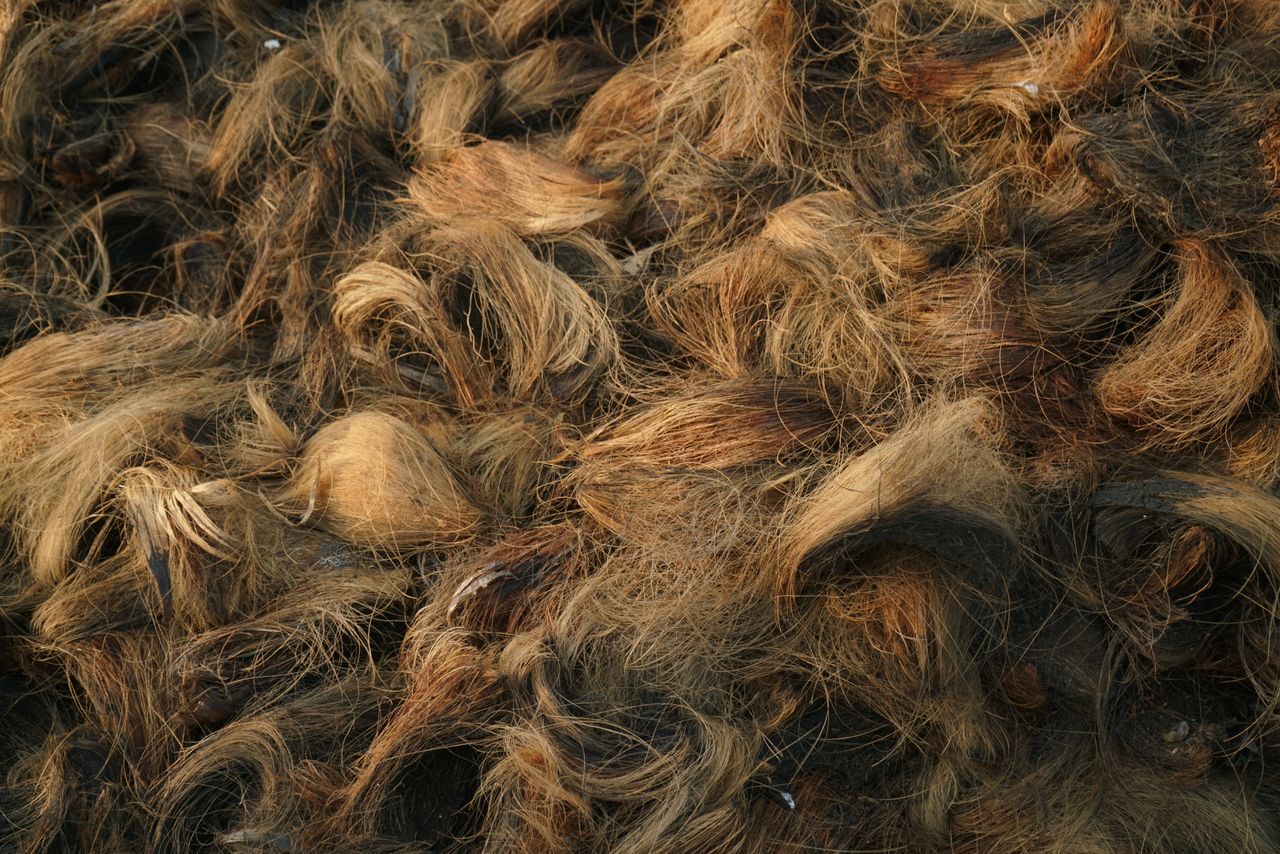
When fresh palm fruit bunches are processed to extract crude palm oil, the fruit itself is separated from the bunch stalk and pressed to release its oil. What remains after that pressing process is a fibrous, bulky residue combining mesocarp fiber, kernel husk material, broken kernels, and small shell chips, collectively referred to in the trade as palm-pressed fiber, or, in the terminology used across Tropic World Paradise’s product catalog, palm husks. Mesocarp fiber alone typically makes up 10 to 15 percent of the weight of a fresh fruit bunch, meaning the volumes generated at scale are genuinely enormous.
Why This Material Has Historically Stayed Inside the Mill
Unlike palm kernel shells and empty fruit bunches, which have well-established international export markets, palm husks have traditionally been consumed on-site at the palm oil mill itself. According to a detailed industry review published by beta.co.id, Indonesia processed roughly 200.7 million tonnes of fresh fruit bunches in 2024, generating an estimated 26 to 30 million tonnes of mesocarp fiber alongside 12 to 16 million tonnes of palm kernel shells. Mills routinely dry and feed this fiber directly into on-site steam boilers, generating the electricity and process heat needed to run the mill itself, a self-sufficient cogeneration loop that has kept much of this material out of the international export market until relatively recently.
That’s beginning to change. As mills optimize their own energy balance and generate surplus fiber beyond what their boilers consume, and as international demand for diversified biomass feedstock continues climbing, palm husks are increasingly finding their way into export supply chains alongside their better-known cousins.
Palm Husk Specifications Buyers Should Understand
Calorific Value
Palm mesocarp fiber typically delivers a calorific value in the range of 4,000 kcal/kg, or roughly 16 to 17 megajoules per kilogram, on a dry basis. Peer-reviewed research published in Sustainability places the broader range for oil palm residues, including mesocarp fiber, palm kernel shell, and empty fruit bunches, between 18 and 21 MJ/kg on a dry basis, with mesocarp fiber sitting toward the lower-middle of that range compared to palm kernel shell’s higher calorific density.
Moisture Content
This is the specification that matters most when evaluating palm husk material, and where buyers need to pay close attention. Fresh mesocarp fiber straight from the pressing process typically holds significantly higher moisture content than palm kernel shells, often in the range of 30 to 37 percent before drying, compared to shells, which are naturally much lower at around 12 percent. Proper drying before combustion or export is essential, since high moisture content both reduces usable calorific value and increases shipping weight without adding usable energy content. Buyers should always request documented moisture percentage for the specific batch being purchased rather than assuming a standard figure applies.
Bulk Density and Handling Characteristics
Palm husk fiber is bulky, fluffy, and low-density compared to denser biomass materials like palm kernel shells, which affects both storage volume requirements and handling equipment needs. Facilities evaluating palm husks as a fuel source should confirm their existing material handling infrastructure, feed systems, and storage capacity can accommodate a lower-density, more voluminous material than shell-based alternatives.
Where Palm Husks Are Actually Used
Industrial Boiler and Cogeneration Fuel
The dominant application for palm husks remains direct combustion in industrial boilers, whether at the palm oil mill where the material originates or at external industrial facilities seeking a cost-effective biomass fuel supplement. Because the material is already dried and prepared as part of standard mill operations in many cases, it represents a relatively accessible entry point for industrial buyers building a diversified alternative fuel strategy alongside palm kernel shells and wood-based biomass.
Compressed Briquette and Pellet Production
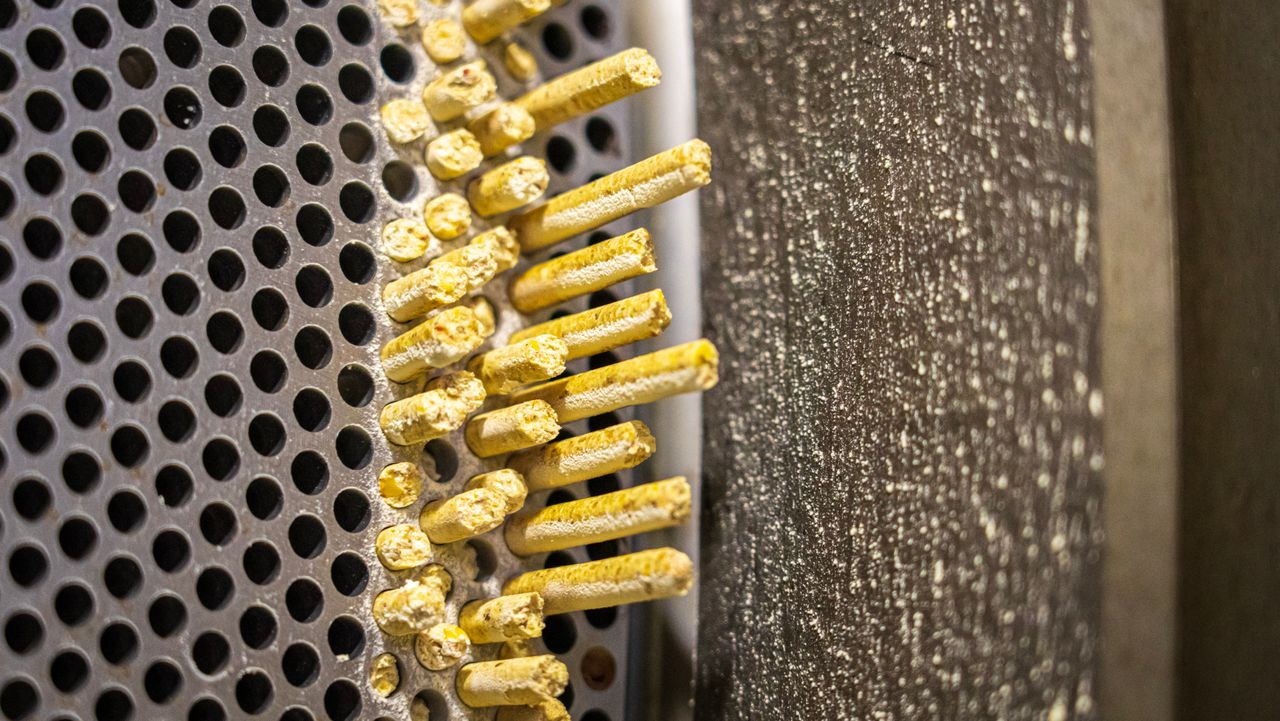
Palm husk fiber can be compressed into briquette or pellet form, improving its density, handling characteristics, and calorific value per unit volume, an increasingly relevant processing step as buyers seek more standardized, easily transported biomass fuel formats rather than raw bulky fiber.
Emerging Value-Added Applications
Beyond direct fuel use, research and industry practice have identified additional applications for palm-pressed fiber, including substrate material for mushroom cultivation, soilless growing media components, and composting or vermicomposting inputs. While these applications currently represent a smaller share of total palm husk utilization compared to fuel use, they point toward a material with more versatility than its historical role as mill boiler fuel alone would suggest.
What Affects Palm Husk Bulk Pricing
Moisture and Drying Costs
Because palm husk fiber typically requires more intensive drying than palm kernel shells to reach export-ready moisture specifications, buyers should expect this processing step to factor meaningfully into per-tonne pricing compared to lower-moisture biomass alternatives. Material that has already been properly dried and screened commands a legitimate premium over unprocessed fiber straight from the press.
Volume Availability and Regional Sourcing
Given the sheer scale of Indonesia’s palm oil processing industry, generating tens of millions of tonnes of mesocarp fiber annually, palm husks represent one of the more volume-abundant biomass categories available for export, which generally supports more competitive and stable bulk pricing compared to biomass categories with more constrained raw material supply.
Format: Raw Fiber vs. Processed Briquette
Raw, dried palm husk fiber typically prices lower per tonne than compressed briquette or pellet formats, reflecting the additional processing investment required to densify the material. Buyers should evaluate their own handling infrastructure and transport economics to determine which format delivers better total value for their specific application, since a lower per-tonne price on raw fiber can be offset by higher shipping and storage costs per unit of usable energy.
Order Volume and Contract Structure
As with most bulk biomass commodities, larger recurring order volumes and longer-term supply agreements typically support more favorable per-tonne pricing than smaller, one-off spot purchases, particularly for a material where supplier drying and processing capacity needs to be planned in advance to meet export moisture specifications consistently.
What to Request Before Placing a Bulk Palm Husk Order
Before committing to a bulk purchase, buyers should request laboratory documentation confirming moisture content, calorific value, and composition for the specific batch being offered, since palm husk fiber’s composition and quality can vary meaningfully depending on the source mill’s processing practices and drying methods. Buyers should also confirm whether the material has been screened to remove excess broken kernel or shell fragments, since composition consistency affects combustion performance in facilities calibrated for a specific fuel profile.
Sourcing Palm Husks and Complementary Palm Biomass from Indonesia
Tropic World Paradise supplies Palm Husks as a lightweight biomass material suited to fuel and industrial applications, sourced from palm oil processing operations across Sumatra and Kalimantan. For buyers building a broader palm-derived biomass portfolio, palm husks pair naturally with other products in our catalog, including Palm Kernel Shells (PKS) for buyers requiring a denser, higher calorific fuel option, and Palm Empty Fruit Bunches for buyers sourcing complementary organic residue material for composting or biochar applications. Every shipment ships with ISO 9001:2015 quality certification, laboratory analysis confirming moisture content and calorific value, and SVLK legality verification, giving procurement teams the documentation needed for compliance and customs clearance without delay.
Frequently Asked Questions
- What is the difference between palm husks and palm kernel shells? Palm husks, or mesocarp fiber, are the softer, bulkier fibrous residue left after pressing oil from the palm fruit, while palm kernel shells are the harder, denser shell material surrounding the kernel nut. Shells have lower moisture content and higher calorific density, while husks are more voluminous and typically require more drying before use.
- What calorific value should I expect from palm husk fiber? Properly dried palm mesocarp fiber typically delivers a calorific value around 4,000 kcal/kg, or roughly 16 to 17 MJ/kg on a dry basis, somewhat lower than palm kernel shell’s typical range.
- Why has palm husk fiber historically not been widely exported? Most palm oil mills consume mesocarp fiber on-site as boiler fuel for their own cogeneration needs, which has limited the volume historically available for export compared to palm kernel shells and empty fruit bunches, which have more established international trade channels.
- What moisture content should export-grade palm husks have? Fresh mesocarp fiber can hold 30 to 37 percent moisture before drying, and buyers should request documented, batch-specific moisture percentage confirming the material has been properly dried to an export-ready specification rather than assuming a standard figure.
- Is raw palm husk fiber or compressed briquette format better for my facility? It depends on your handling infrastructure and transport economics. Raw fiber typically costs less per tonne but is bulkier to store and ship, while compressed briquettes cost more per tonne but offer better density and easier handling, so the better total value depends on your specific operation.
Ready to Source Palm Husks for Your Biomass Fuel Portfolio?
Whether you’re building a diversified industrial fuel strategy or sourcing raw material for briquette production, Tropic World Paradise can structure a shipment that matches your moisture, calorific, and format requirements. Request an instant quote or browse our full biomass product catalog to compare options before you order.