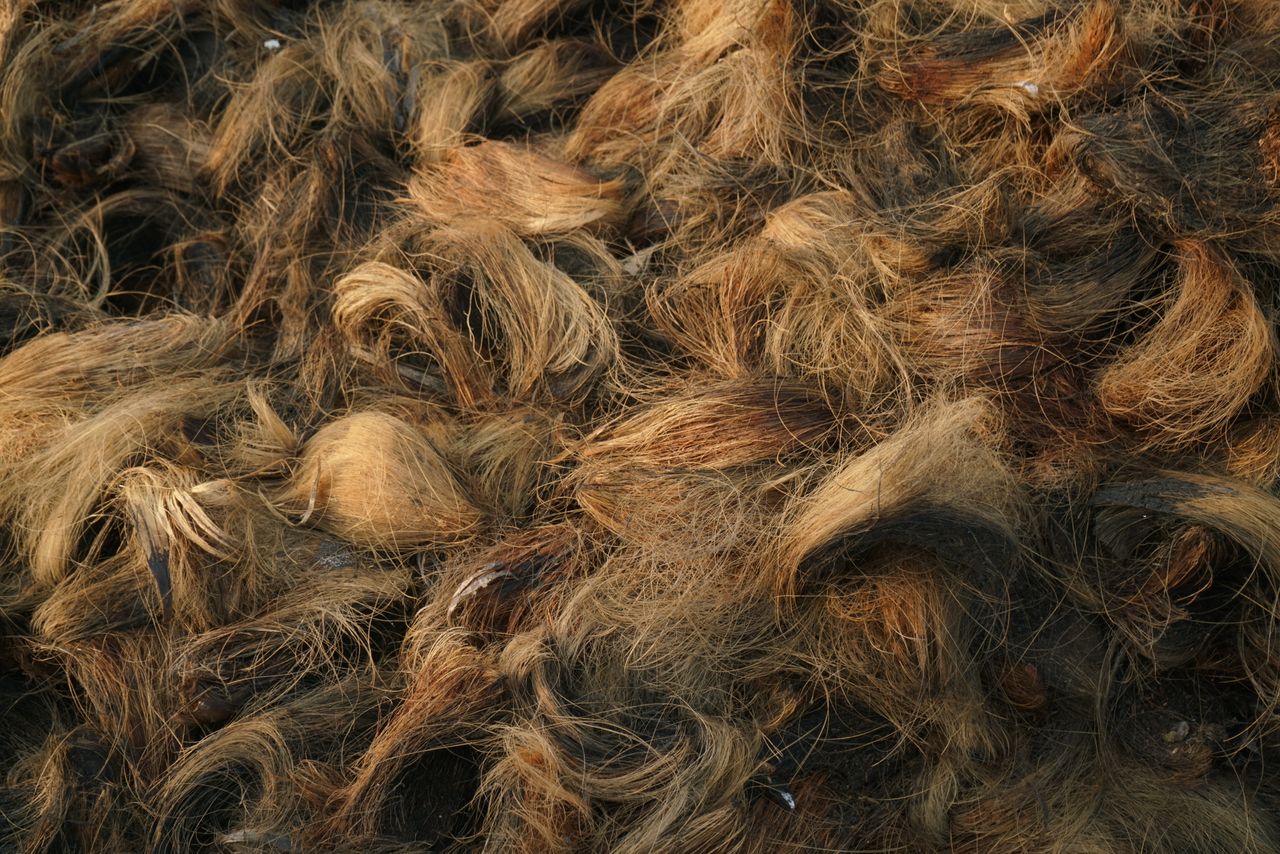
A palm husk biomass supplier conversation needs to start with an honest structural reality that most generic market reports skip entirely: unlike palm kernel shells, which trade internationally by the millions of tonnes, palm husk more precisely known as palm mesocarp fiber mostly never leaves the mill where it’s generated. Understanding why matters enormously for anyone evaluating this category as an export opportunity, since the real story here is fundamentally different from Indonesia’s well-established PKS export trade. This guide breaks down what palm husk actually is, why so much of it stays captive at the point of production, and where genuine secondary market opportunities exist.
What Palm Husk Actually Is
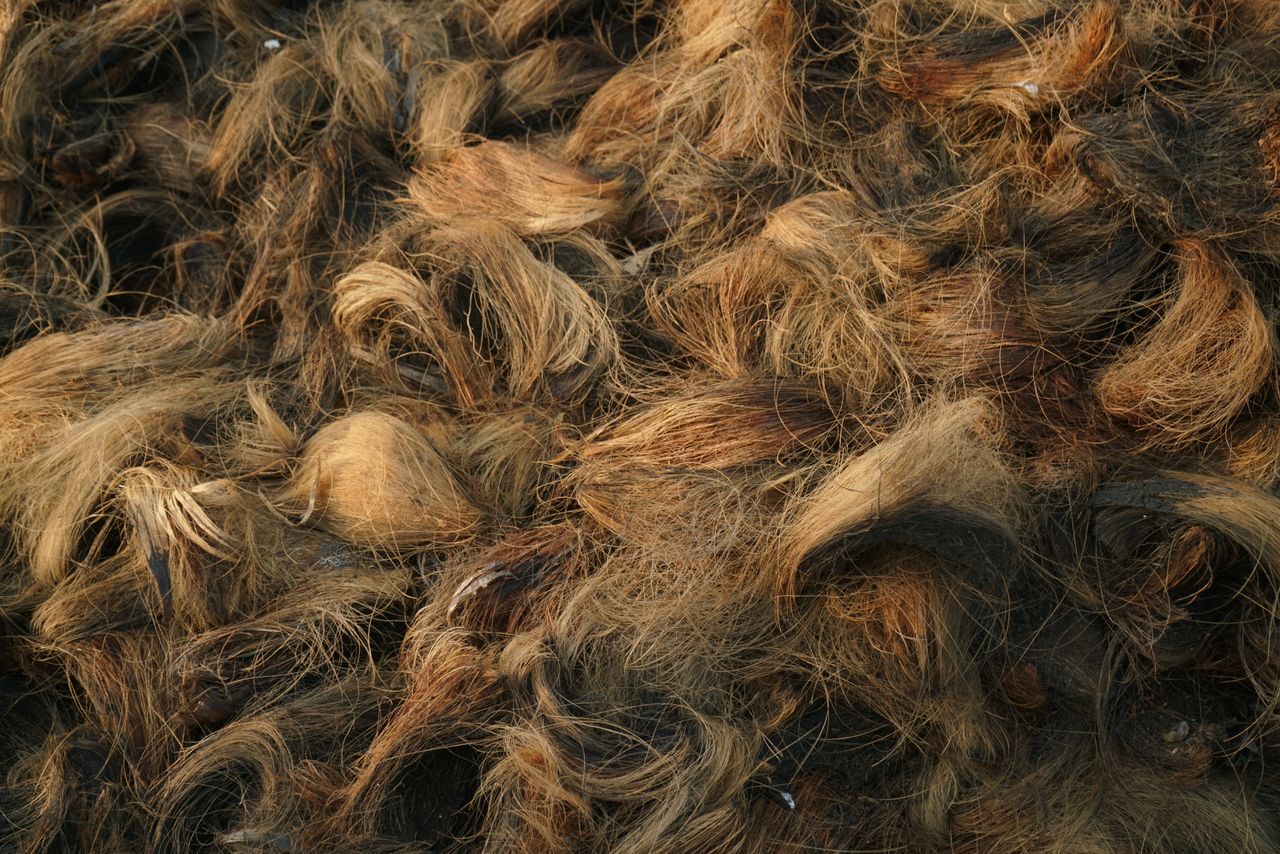
Palm husk, more precisely called palm mesocarp fiber or palm-pressed fiber, is one of the main fibrous byproducts generated when oil palm fruit is screw-pressed to extract crude palm oil. It’s a combination of palm mesocarp fiber itself along with kernel husk, broken kernels, and chips distinct from palm kernel shell (PKS), the harder shell fraction, and from empty fruit bunches (EFB), the stripped fruit clusters left after fruit removal. All three are palm oil milling residues, but they behave very differently as commercial biomass products, which is the central point buyers need to understand before sourcing any of them.
The Surprising Reality: Most Palm Husk Never Leaves the Mill
Here’s the structural fact that reshapes how buyers should think about this category. Indonesia processed roughly 200.7 million tonnes of fresh fruit bunches in a recent tracked year, generating an estimated 26 to 30 million tonnes of mesocarp fiber alongside 12 to 16 million tonnes of palm kernel shell well over 40 million tonnes of combined solid biomass residue annually. But the overwhelming majority of that mesocarp fiber gets burned directly at the mill that produced it, fueling boilers that generate the steam and electricity the mill needs to run its own crude palm oil extraction process.
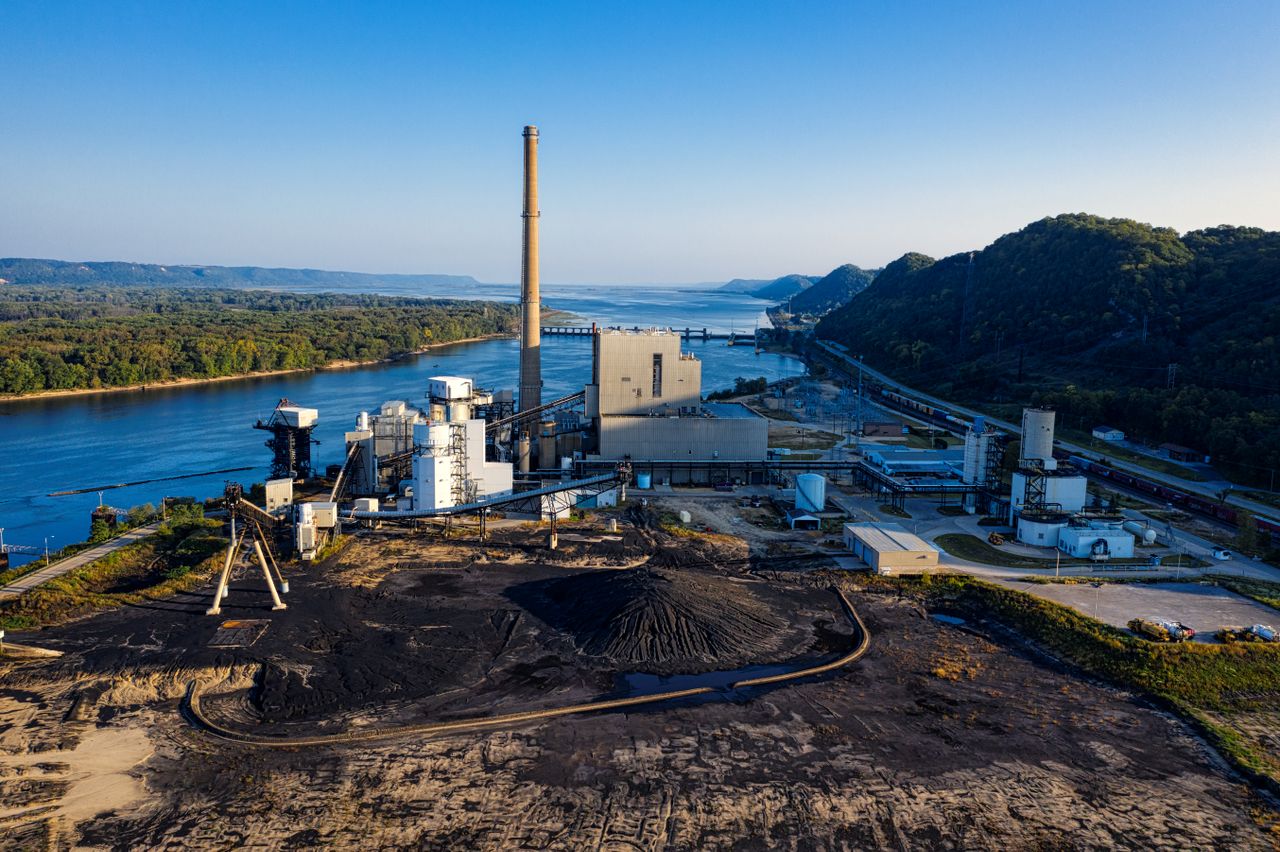
A documented case at the Dolok Sinumbah mill illustrates this pattern clearly: a 30-tonne-per-hour mill burning a mix of roughly 25% shell and 75% fiber generated 18 tonnes per hour of steam, covering the mill’s own process needs and, in many cases, producing exportable electricity surplus to the local grid. Palm oil mills have effectively turned what looks like waste into baseload energy self-sufficiency Indonesia’s total solid palm oil biomass could theoretically yield 40 to 59 terawatt-hours annually, a figure that actually outstrips the country’s own 2025 bioenergy generation target of 33 terawatt-hours.
Why Palm Kernel Shell Trades Globally But Palm Husk Doesn’t
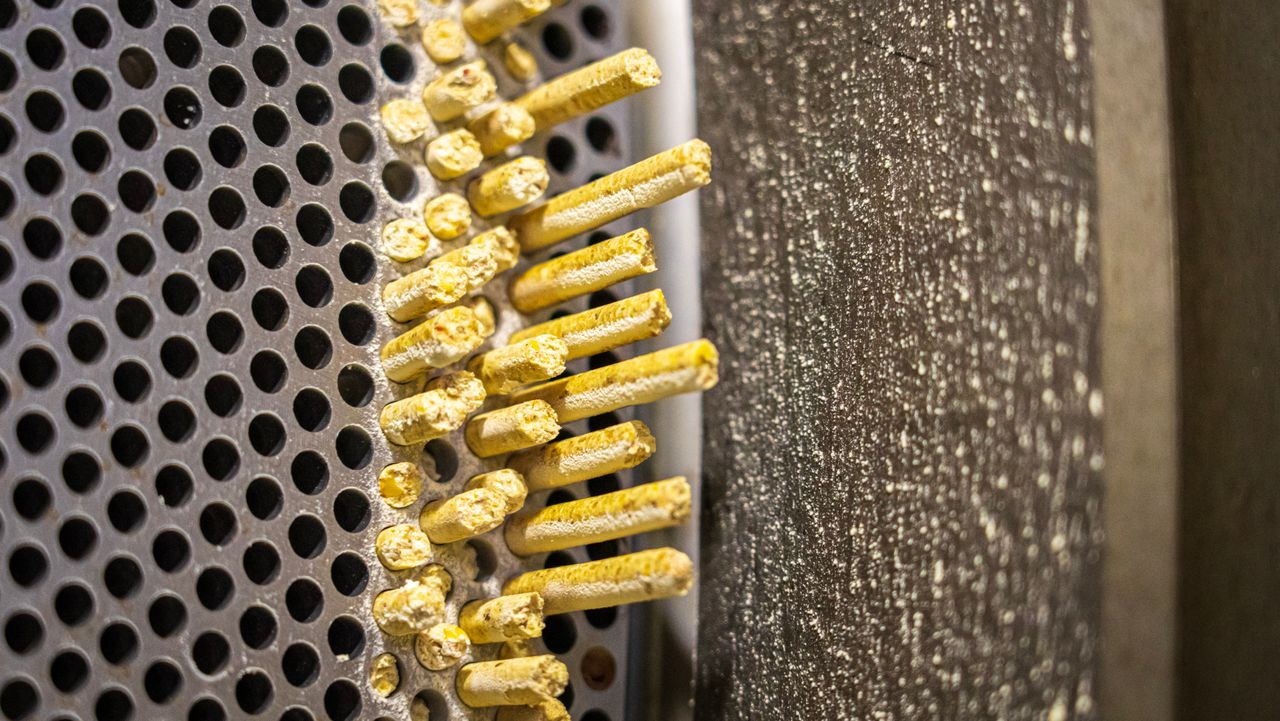
This is the crux of the distinction buyers need to grasp. Palm kernel shell has become a genuinely global traded commodity worldwide PKS trade volume is estimated to exceed 10 million metric tonnes in 2026, up from roughly 7 million tonnes in 2023, with Indonesia alone exporting an estimated 5 to 6 million tonnes and Malaysia contributing another 2 to 3 million tonnes, feeding buyers as far away as Japan, South Korea, and increasingly the European Union. PKS trades this well internationally because it’s hard, dense, low in moisture, and holds up structurally over long ocean voyages without significant quality degradation.
Palm mesocarp fiber has none of those same physical advantages. It’s bulkier, holds more moisture, and is more prone to degradation and self-heating risk over an extended shipping timeline the same physical characteristics that make raw agricultural residues like rice husk and coconut husk poor candidates for long-distance bulk export. Combined with the fact that mills already have a built-in, zero-transport-cost use for the fiber right where it’s produced fueling their own boilers there’s simply little commercial incentive to divert it toward export rather than burning it on-site for captive power.
Where Palm Husk Fiber Does Find Secondary Markets
Mushroom Substrate and Soilless Growing Media
Beyond mill-level combustion, research has identified genuine value-added applications for palm-pressed fiber, including use as a mushroom cultivation substrate and as a soilless growing medium for seedlings, offering a niche but real alternative use case for material not consumed by the mill’s own boiler.
Vermicomposting and Livestock Applications
Palm-pressed fiber has also shown potential in vermicomposting systems and as a component in livestock-related applications, adding organic matter and fiber content in ways broadly similar to how other agricultural residues like rice straw serve compost and bedding functions.
What This Means for Buyers Sourcing Palm Biomass from Indonesia
For buyers specifically interested in exportable palm-based biomass fuel from Indonesia, palm kernel shell remains the far more realistic, established, and internationally traded product one with deep liquidity, established shipping routes, and buyers across Asia and Europe already structured to receive it at scale. Palm husk fiber, by contrast, is better understood as a genuinely valuable material at the point of production powering the mill itself with smaller, more specialized secondary market opportunities in substrate and soil conditioning applications rather than as a bulk international export commodity. Buyers evaluating palm-based biomass fuel for power generation or industrial thermal applications should review our palm kernel husk product page, which represents the genuinely export-proven segment of Indonesia’s palm oil milling residue stream.
Frequently Asked Questions
- What is the difference between palm husk, PKS, and EFB? Palm husk (mesocarp fiber) is the fibrous residue from pressing palm fruit for oil, palm kernel shell (PKS) is the harder shell fraction from the kernel, and empty fruit bunches (EFB) are the stripped fruit clusters left after fruit removal all three are palm oil milling byproducts with different physical properties and uses.
- Is palm husk fiber commonly exported internationally? Not typically. The vast majority of palm mesocarp fiber is burned directly at the palm oil mill that produces it to generate the steam and electricity the mill needs, rather than being exported as a bulk international commodity.
- Why does palm kernel shell trade internationally while palm husk doesn’t? PKS is hard, dense, and low in moisture, allowing it to withstand long ocean shipping without significant quality loss, while palm husk fiber is bulkier, holds more moisture, and is more prone to degradation over extended transit combined with mills already having a built-in, cost-free use for the fiber on-site.
- What are the main secondary uses for palm husk fiber? Beyond mill-level combustion, palm-pressed fiber has documented applications as a mushroom cultivation substrate, soilless growing medium for seedlings, and component in vermicomposting systems.
- Should I source palm husk or palm kernel shell for biomass fuel export? For buyers seeking a genuinely export-proven palm-based biomass fuel, palm kernel shell is the far more established and internationally traded product, with deep liquidity and existing shipping infrastructure across major Asian and European markets.
Ready to Source Export-Proven Palm Biomass Fuel?
Whether you’re evaluating palm kernel shell for power generation or exploring other palm-derived biomass applications, our team can walk you through specification, certification, and shipping options.
Explore Our Palm Kernel Shells Product Page → Contact Our Export Team →