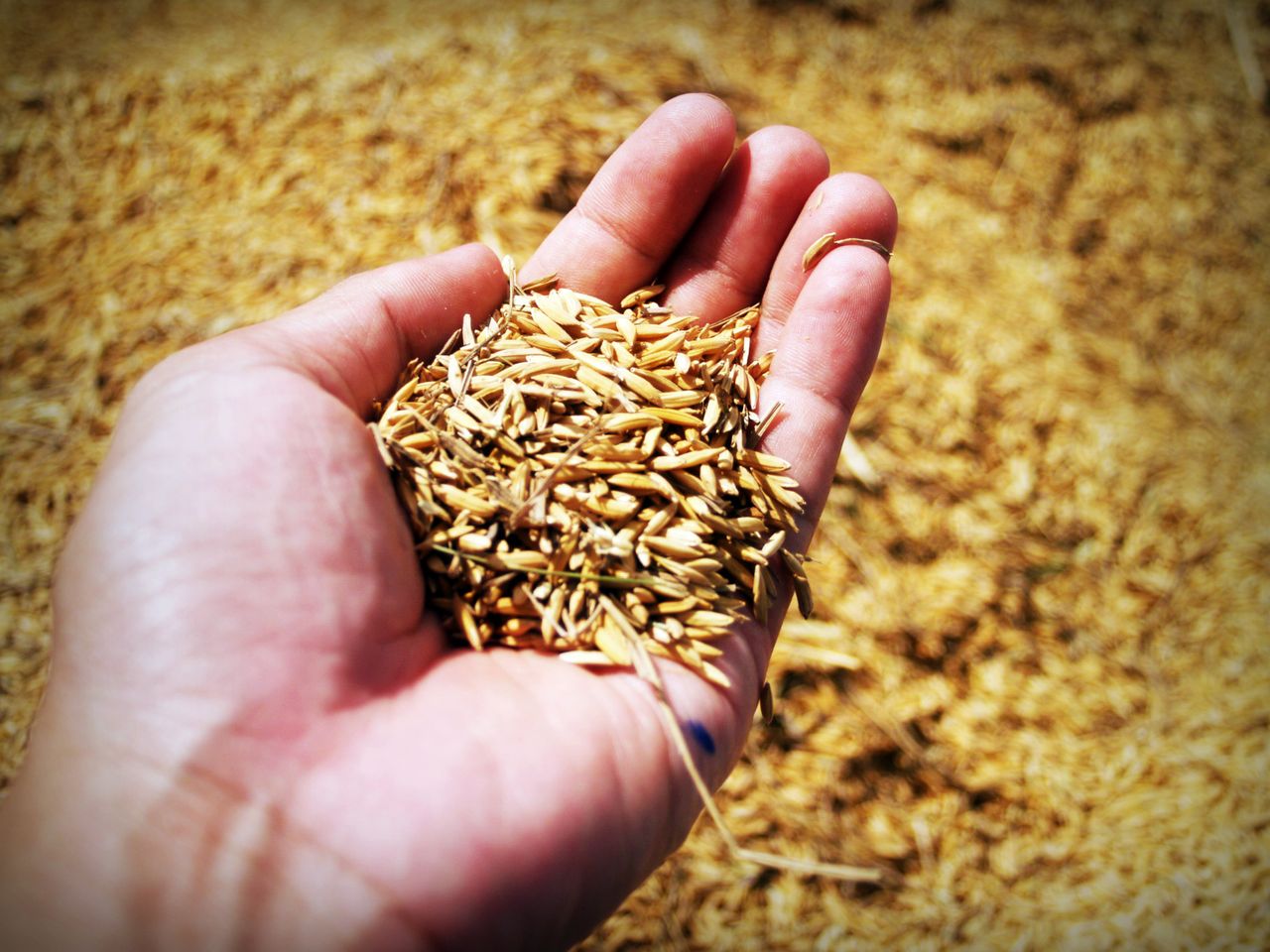
Rice husk looks simple on paper: a lightweight agricultural byproduct, cheap, abundant, and easy to source. In practice, it is one of the more technically demanding biomass materials to buy in bulk. Its low bulk density inflates shipping costs, its high silica content changes how it behaves in combustion equipment, and its moisture level can make or break a shipment before it even reaches port.
For buyers sourcing rice husk for boiler fuel, cogeneration, animal bedding, or industrial silica production, checking the right specifications before ordering is the difference between a reliable supply contract and a shipment full of problems.
Why Rice Husk Specifications Matter More Than Price Alone
A low price per ton means little if moisture content causes mold during transit, or if ash content is too high for the intended combustion system. Rice husk performance varies significantly by rice variety, harvest season, and processing method, which is why experienced buyers request lab data rather than relying on a supplier’s general description.
Core Specifications to Check
Moisture Content
Moisture is the first number to verify. According to a peer-reviewed study published in Energy Sources and archived by the U.S. Department of Energy’s Office of Scientific and Technical Information, raw rice husk typically carries moisture content between roughly 8.7 and 10.4 percent, though levels can reach 15 to 20 percent in humid post-harvest conditions. For combustion applications, moisture should generally stay below 10 to 12 percent; anything higher increases the risk of mold, self-heating during storage, and reduced calorific efficiency.
Ash Content and Silica Ratio
Rice husk is unusually high in ash compared to most biomass fuels, typically ranging from 15 to 24 percent on a dry weight basis. What makes this ash distinctive is its silica content, often 90 percent or higher, a property covered in detail by ScienceDirect’s overview of rice husk composition. This high silica ash content is actually valuable for buyers targeting cement additives, silica extraction, or insulation applications, but it is a liability for combustion buyers, since silica-rich ash is abrasive to boiler components and requires equipment designed to handle higher slag and residue volumes.
Calorific Value
Rice husk’s calorific value is modest compared to denser biomass fuels like wood pellets or coconut shell charcoal, generally falling between 12 and 16 MJ/kg on a dry basis, roughly 2,900 to 3,800 kcal/kg. Buyers should confirm whether quoted calorific values are on a gross (higher heating value) or net (lower heating value) basis, as this distinction materially affects fuel volume calculations for boiler sizing.
Bulk Density
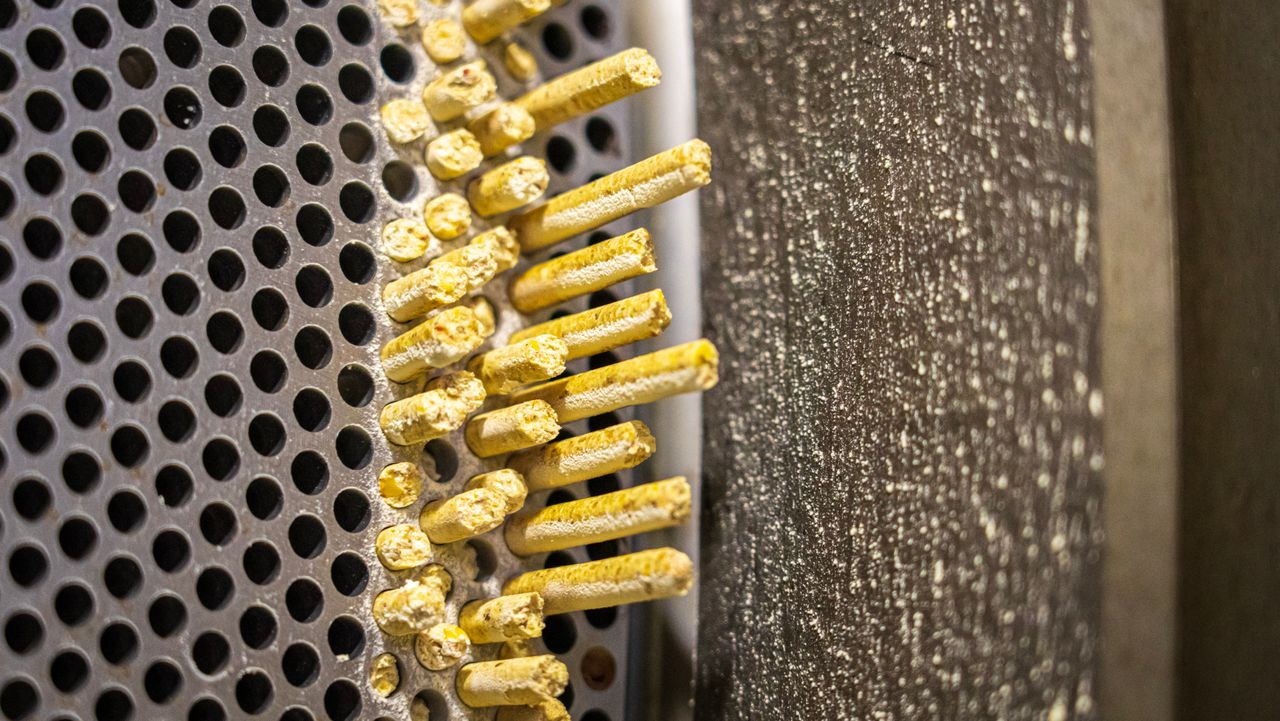
Rice husk has an unusually low bulk density, typically 90 to 150 kg per cubic meter. This directly affects freight economics: buyers are effectively paying to ship a large volume of low-density material, which is why many suppliers offer rice husk in compressed, pelletized, or briquetted form to improve shipping efficiency. Buyers ordering loose husk should factor container volume limits into their cost calculations, not just weight-based pricing.
Fixed Carbon and Volatile Matter
Rice husk typically contains 10 to 15 percent fixed carbon and 60 to 65 percent volatile matter. High volatile content means the husk ignites relatively easily but burns quickly, which matters for buyers designing continuous-feed combustion systems versus batch-fed applications.
Specification Checklist by Application
For Boiler Fuel and Cogeneration
Buyers should prioritize moisture below 12 percent, consistent ash content within a known range, and confirmation of net calorific value. Boiler design should account for silica-rich ash and its abrasive effect on internal components over time.
For Rice Husk Ash and Silica Production
Buyers extracting silica or producing rice husk ash for cement and construction applications should request ash silica percentage and combustion temperature history, since ash properties shift depending on how the husk was burned.
For Animal Bedding and Agricultural Use
Moisture content and freedom from mold, pests, or foreign matter matter more than calorific value here. Buyers should request a recent inspection certificate and ask about storage conditions prior to shipment.
Common Mistakes Buyers Make When Ordering Rice Husk in Bulk
Ordering Without a Certificate of Analysis
Rice husk quality varies by rice variety and region. A verified lab report covering moisture, ash, and calorific value protects buyers from receiving a shipment that does not match what was quoted.
Underestimating Shipping Costs
Because of its low bulk density, rice husk can be more expensive to ship per unit of usable energy than denser biomass fuels. Buyers should calculate landed cost per calorific unit, not just cost per ton.
Ignoring Silica-Related Equipment Wear
Buyers moving from wood-based fuels to rice husk without adjusting for its abrasive, silica-heavy ash can see accelerated wear on boiler components if the transition is not planned for.
Rice Husk vs. Rice Straw: Avoiding a Common Sourcing Mix-Up
Buyers new to rice byproducts sometimes conflate rice husk with rice straw, but the two materials behave very differently. Rice husk is the hard outer shell removed during milling, dense enough to hold its shape and rich in silica-based ash, making it better suited for combustion, cogeneration, and silica extraction. Rice straw is the lightweight post-harvest plant stalk, lower in silica and more commonly used for animal bedding, compost, and small-scale energy generation. Confirming which byproduct a supplier is actually quoting, and requesting husk-specific lab data rather than generic rice residue figures, prevents costly specification mismatches at the point of order.
Sourcing Export-Grade Rice Husk from Tropic World Paradise
PT Tropic World Paradise supplies rice husk sourced from Indonesia’s agricultural residues, backed by verified moisture and ash specifications suited to combustion, cogeneration, and industrial applications. As part of a wider portfolio of biomass products that also includes rice husk-based biomass briquettes, the company supports buyers across Asia, Europe, and the Middle East with consistent quality and full traceability from farm to port. Buyers can review the company’s approach to sustainability and certifications before placing an order.
Frequently Asked Questions
What moisture content should I look for in rice husk before ordering? Aim for moisture below 10 to 12 percent for combustion applications; higher levels increase mold risk and reduce fuel efficiency during storage and shipping.
Why does rice husk have such high ash content? Rice husk naturally contains significant silica, which concentrates into ash during combustion, typically resulting in 15 to 24 percent ash content on a dry weight basis.
Is rice husk a good fuel for boilers? Yes, but boilers must be designed or adapted to handle its lower calorific value and abrasive, silica-rich ash compared to denser biomass fuels.
Why is rice husk more expensive to ship than its price per ton suggests? Its low bulk density means large volumes are needed for a given weight, increasing freight costs relative to denser biomass materials.
What documentation should I request before placing a bulk rice husk order? Request a Certificate of Analysis covering moisture, ash content, and calorific value, along with a recent inspection certificate confirming freedom from mold and foreign matter.
Ready to Source Verified, Export-Grade Rice Husk?
Whether you need rice husk for boiler fuel, cogeneration, or industrial applications, Tropic World Paradise offers verified specifications and dependable global supply. Request a Quote or Contact Our Team to discuss your requirements today.