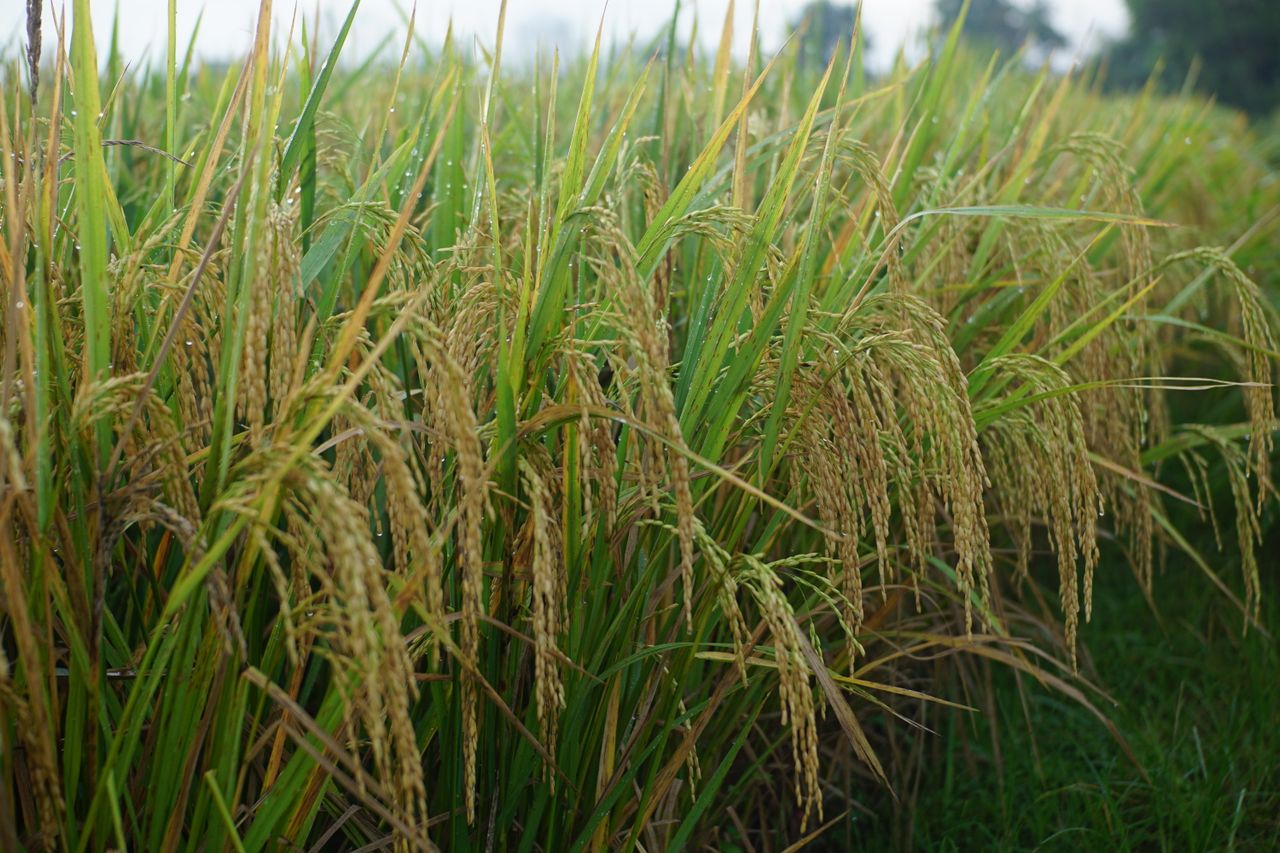
Rice husk is unusual among agricultural byproducts because it serves three entirely different industries at once. A poultry farmer buying it for bedding, an agronomist ordering it for biochar production, and a plant manager sourcing it as boiler fuel are all technically buying the same raw material, but the grade, processing, and specifications each one actually needs can look completely different.
This guide breaks down what matters for each application, so buyers know exactly what to ask for before placing an order, rather than discovering a mismatch after the shipment arrives.
Why the Same Byproduct Works Across Three Industries
Rice husk’s core properties, high silica content, natural absorbency, low decomposition rate, and decent calorific value, happen to align with the needs of bedding, biochar, and fuel markets simultaneously. What changes between applications is which property matters most and how the husk is processed before it reaches the buyer.
Rice Husks as Animal Bedding
Why Livestock and Poultry Operations Choose Rice Husks
Rice husks are widely used as bedding for poultry, livestock, and equine operations because of their strong moisture absorption and resistance to compacting, which helps control ammonia buildup and keeps housing environments drier and more hygienic than some traditional bedding materials. Their light weight also makes handling and cleanup faster for high-turnover operations.
What to Check Before Ordering Bedding-Grade Husks
Buyers should confirm low dust content, minimal foreign material, and consistent particle size, since overly processed or contaminated husk reduces absorbency and can create respiratory irritation for animals. For poultry specifically, research on carbonized rice husk bedding has shown it can help reduce ammonia production and bacterial load in litter compared to untreated bedding, making processing method a relevant question to ask suppliers directly.
Rice Husks as Biochar Feedstock
How Rice Husk Biochar Is Made
Biochar is produced by pyrolyzing rice husk under limited-oxygen, controlled-temperature conditions, typically between 300 and 700 degrees Celsius, converting the husk into a stable, carbon-rich, highly porous material. According to the IRRI Rice Knowledge Bank, fixed carbon yield in rice husk biochar increases as pyrolysis temperature rises, while overall biochar yield tends to decrease, meaning buyers need to know the target temperature range to understand what carbon content they are actually getting.
Why Buyers Use Rice Husk Biochar
Rice husk biochar is applied as a soil amendment to improve water retention, nutrient availability, and long-term carbon storage in agricultural soils, making it popular with growers and agronomists focused on soil health and carbon sequestration goals. Its high silica content also contributes beneficial silicon to soil systems as it breaks down.
What to Check Before Ordering Biochar-Grade Husks
Ask suppliers for the pyrolysis temperature range and resulting fixed carbon content, since these directly determine how the biochar performs once applied. Buyers should also request confirmation of feedstock purity, since husk contaminated with soil, plastic, or other residues carries those contaminants directly into the finished biochar.
Rice Husks as Fuel
Why Rice Husks Work as a Biomass Fuel
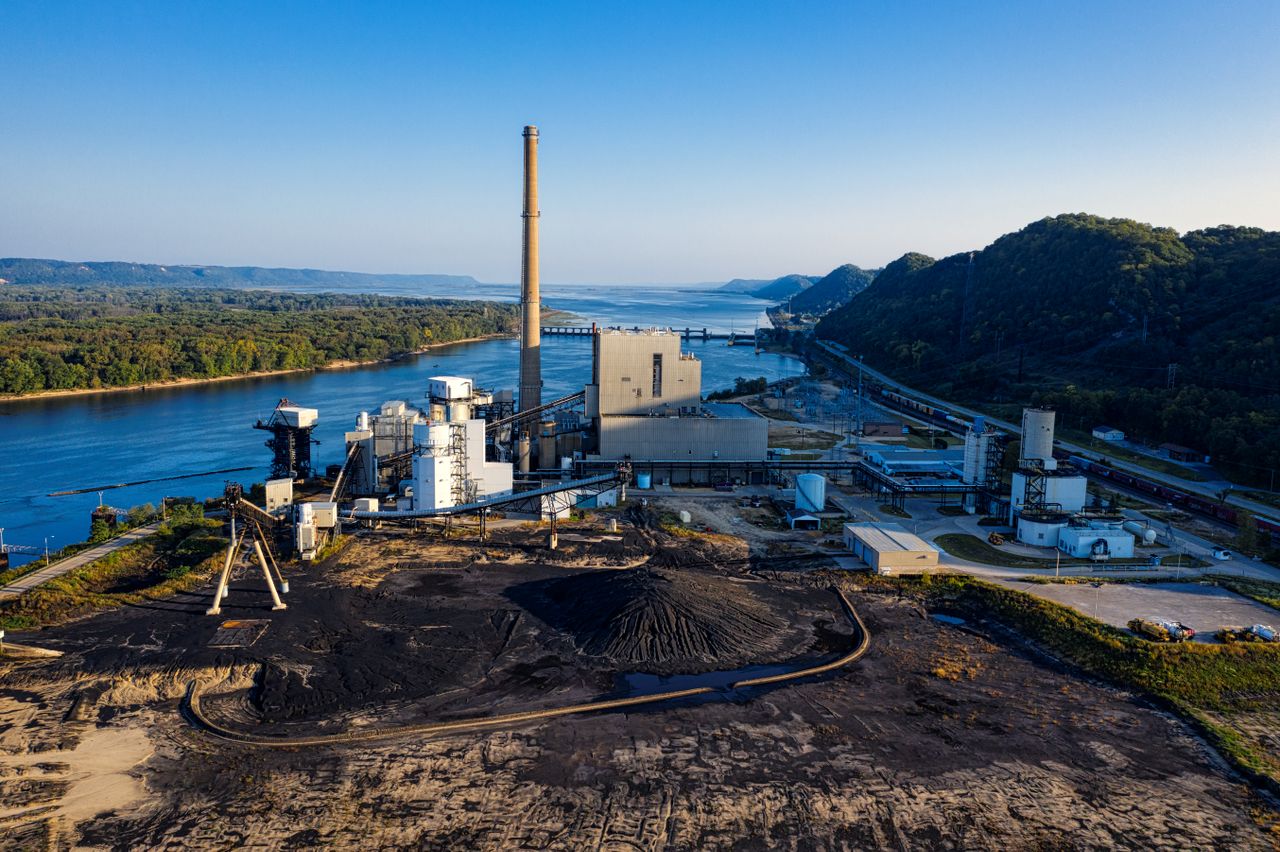
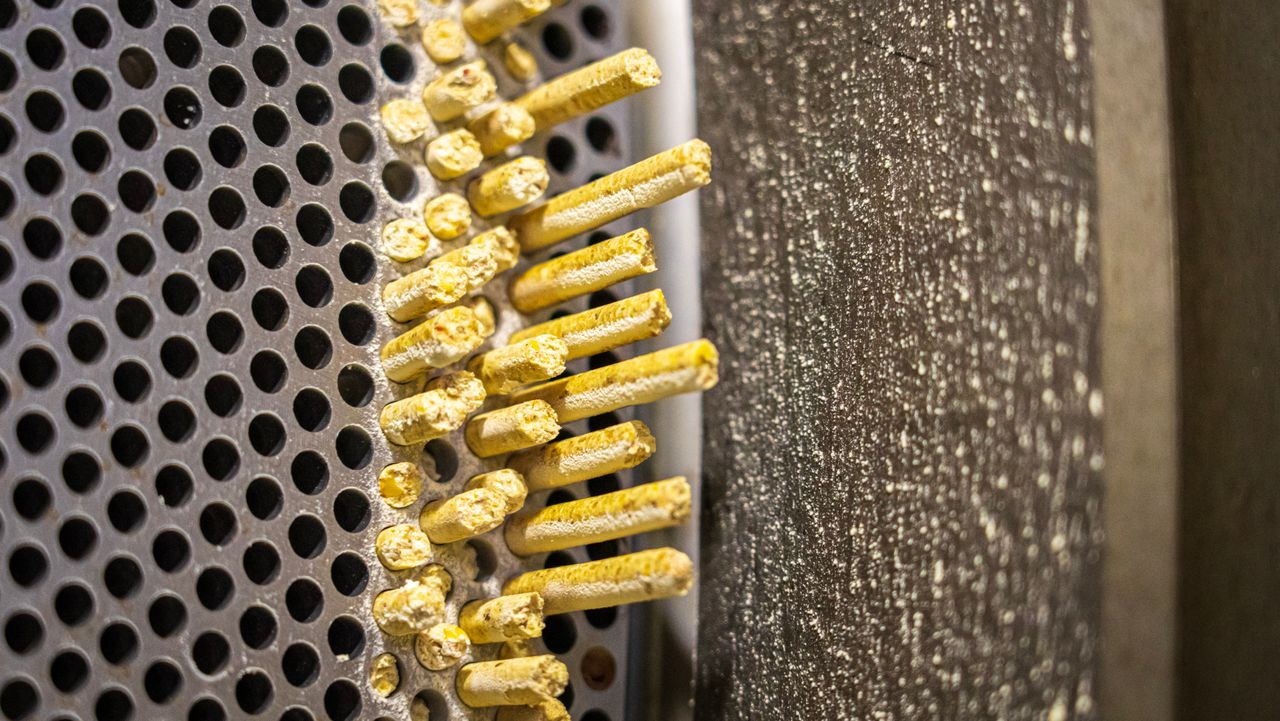
Rice husk is combustible on its own or as a blended fuel in biomass boilers and cogeneration systems, offering a renewable alternative to coal, though its moderate calorific value and high ash content mean it performs best in equipment designed to handle those characteristics. Because whole husk has a low bulk density, many fuel buyers source it pre-compressed into briquettes or pellets to improve combustion consistency and reduce shipping volume.
What to Check Before Ordering Fuel-Grade Husks
Confirm moisture content, since anything above roughly 10 to 12 percent increases mold risk and reduces combustion efficiency, and request calorific value on a clearly stated gross or net basis so boiler sizing calculations are accurate. Buyers should also ask whether the husk is offered loose or compressed, since that choice significantly affects freight cost per delivered ton of fuel.
Common Mistakes When Sourcing Multi-Use Rice Husk
Assuming “Rice Husk” Is a Single Standard Product
Many first-time buyers treat rice husk as a commodity with one fixed specification, then discover that a shipment optimized for bedding performs poorly as biochar feedstock, or that fuel-grade husk arrives too dusty for animal use. Naming the intended application clearly in the purchase order avoids this mismatch entirely.
Not Requesting Processing Details
Whether husk has been screened, carbonized, or left raw changes its performance dramatically across all three uses. Buyers who skip this question often assume they are getting a processed, higher-value product when they are actually receiving raw, unscreened material.
Comparing Prices Without Comparing Grades
Rice husk priced for bulk fuel use is not directly comparable to husk priced for bedding or biochar, since processing, screening, and quality control costs differ by application. Buyers should always request a specification sheet alongside pricing to confirm they are comparing like-for-like grades.
Choosing the Right Grade for Your Application
| Application | Key Priority | What to Verify |
| Animal Bedding | Absorbency, low dust | Particle size, foreign material, processing method |
| Biochar | Fixed carbon content | Pyrolysis temperature, feedstock purity |
| Fuel | Combustion efficiency | Moisture content, calorific value, loose vs. compressed form |
Buyers ordering for more than one application should specify grade requirements separately in the purchase order, since a single generic “rice husk” listing can cover material suited to one use but not another.
Sourcing Rice Husks from Tropic World Paradise
PT Tropic World Paradise supplies rice husk sourced from Indonesia’s agricultural residues, with grade options suited to bedding, biochar production, and biomass fuel applications. As part of a wider portfolio of biomass products, the company supports buyers across Asia, Europe, and the Middle East with consistent quality and full traceability from farm to port. For fuel-grade specifications in more technical detail, see the company’s related guide on rice husk specifications for bulk buyers.
Frequently Asked Questions
Can the same rice husk be used for bedding, biochar, and fuel? Raw rice husk shares core properties across all three uses, but buyers should request grade-specific processing and specifications for each application to ensure the best performance.
Is rice husk biochar better than untreated rice husk for soil? Biochar’s stable, porous carbon structure improves water retention and long-term carbon storage in soil more effectively than untreated husk, which decomposes and releases carbon much faster.
Why do poultry farmers prefer rice husks over wood shavings for bedding? Rice husks offer strong moisture absorption, resist compacting, and are often more cost-effective and available in regions with active rice processing industries.
What temperature is rice husk biochar typically produced at? Pyrolysis for rice husk biochar generally occurs between 300 and 700 degrees Celsius, with higher temperatures increasing fixed carbon content but reducing overall biochar yield.
Should I buy loose rice husk or compressed rice husk for fuel use? Compressed forms like briquettes or pellets reduce shipping volume and improve combustion consistency, making them a better choice for most commercial fuel buyers over long distances.
Ready to Source Rice Husks for Your Application?
Whether you need rice husks for animal bedding, biochar production, or biomass fuel, Tropic World Paradise offers grade-specific supply and dependable global logistics. Request a Quote or Contact Our Team to discuss your requirements today.