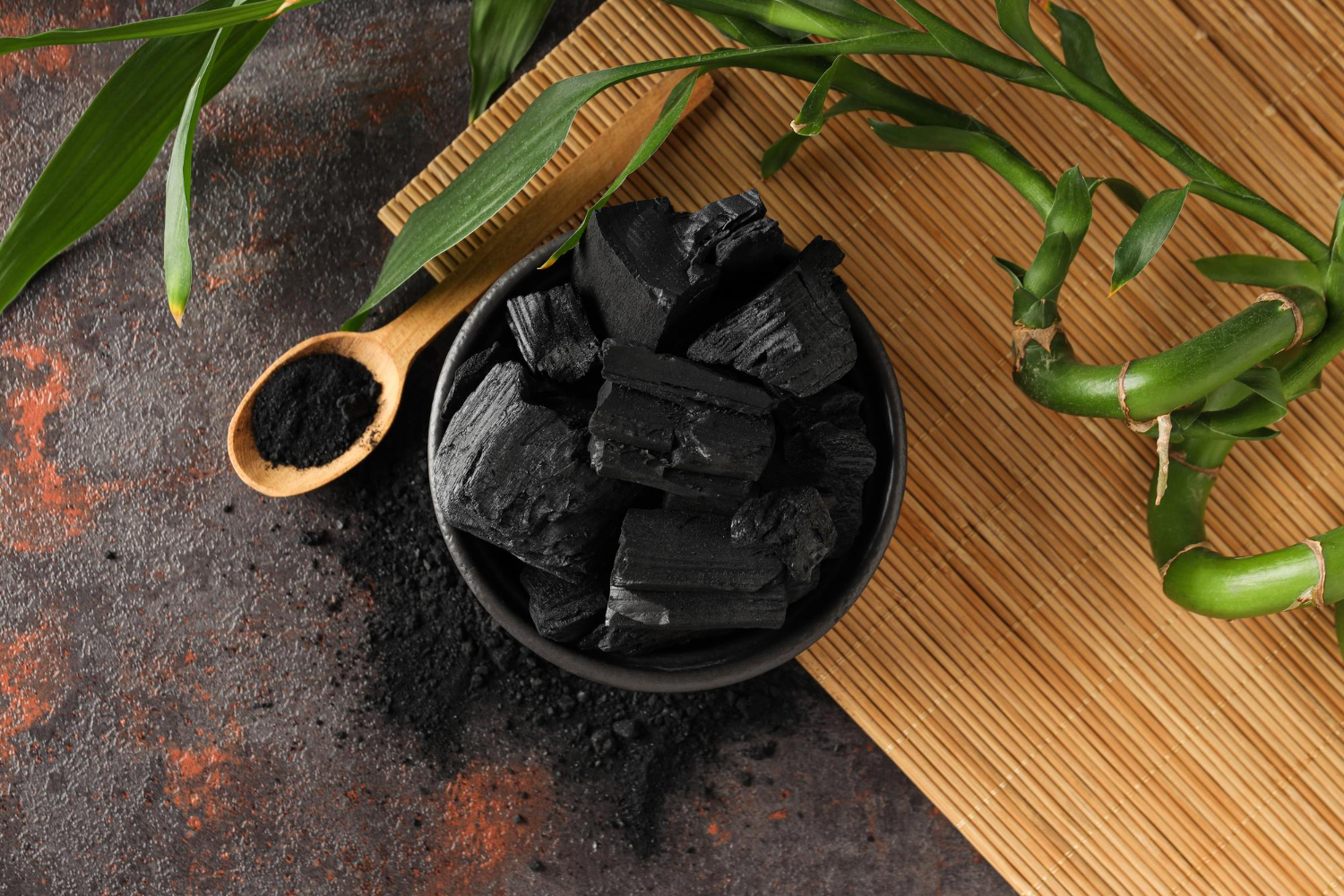
Choosing between coconut shell charcoal and wood charcoal is a technical decision as much as a commercial one. Importers, distributors, and private label brands need to know exactly what they are buying, fixed carbon percentage, ash content, moisture level, calorific value, and price per ton, before they commit to a container order.
This guide breaks the comparison down to the numbers that actually matter, so buyers can compare specification sheets with confidence instead of relying on marketing claims.
Why Specifications Matter More Than Marketing Claims
Every supplier will describe their charcoal as premium, but only a lab-verified Certificate of Analysis tells the real story. Ash content, fixed carbon, and moisture percentage directly determine burn time, smoke output, and overall performance, and they are the four numbers experienced buyers check first before placing an order.
Technical Specifications: Coconut Shell Charcoal vs. Wood Charcoal
Calorific Value
| Specification | Coconut Shell Charcoal | Wood Charcoal |
| Calorific Value | 6,500–7,500 kcal/kg (premium grades up to 7,500 kcal/kg) | 6,500–8,170 kcal/kg, averaging around 7,000–7,200 kcal/kg for good hardwood |
Calorific value measures how much heat energy a charcoal produces per kilogram burned. Both fuels perform similarly at the high end, but coconut shell charcoal reaches premium-grade calorific values more consistently across batches, since shell density varies less than wood species and moisture content.
Fixed Carbon and Ash Content
| Specification | Coconut Shell Charcoal | Wood Charcoal |
| Fixed Carbon | 70–80%, premium shisha-grade 80%+ | Typically 70%+ for good quality hardwood lump |
| Ash Content | 2–7%, premium grades below 2.5% | 0.5–5%, good quality lump charcoal around 3% |
According to the Food and Agriculture Organization of the United Nations, ash content in wood charcoal typically ranges from about 0.5 percent to more than 5 percent depending on wood species, bark content, and processing contamination, with good quality lump charcoal averaging around 3 percent. Coconut shell charcoal can match or beat this range at premium grades, but lower-grade coconut charcoal can run higher in ash if raw shells are not properly sorted and cleaned before carbonization.
Moisture Content
| Specification | Coconut Shell Charcoal | Wood Charcoal |
| Moisture | Below 5–6% for premium grades | Below 8% for good quality lump, though storage conditions can push this higher |
Lower moisture means less weight lost to water during shipping, faster ignition, and less initial smoke. Both fuels need controlled drying, but coconut shell charcoal generally holds a slightly lower moisture ceiling for premium export grades.
Burn Time Comparison
How Long Each Fuel Actually Burns
Premium coconut shell charcoal typically delivers a burn time of 75 minutes or more per piece in shisha-grade specifications, and can sustain steady heat for 1 to 3 hours in BBQ and industrial applications depending on piece size and density. Wood charcoal ignites faster but burns through more quickly, which is why restaurants and lounges managing continuous service often prefer coconut shell charcoal to reduce how often coals need replacing.
What Drives Burn Time Differences
Burn time comes down to density and fixed carbon content. Coconut shells are naturally denser than most wood, which means more carbon mass packed into the same volume, translating directly into longer, steadier combustion once the charcoal is lit.
Price Comparison: What Buyers Actually Pay
Coconut Shell Charcoal Pricing in 2026
According to industry sourcing data compiled by Alibaba.com’s B2B Sourcing Guide, premium shisha-grade coconut shell charcoal, with fixed carbon above 75 percent and ash below 6 percent, commands significantly higher prices than standard sawdust or blended briquettes, generally in the range of USD 900 to 1,500 per ton FOB depending on grade and certification. Standard coconut shell charcoal for general BBQ or industrial use typically falls between USD 500 and 900 per ton.
Wood Charcoal Pricing in 2026
Wood-based lump charcoal generally prices lower for mixed softwood or lower grades, with premium hardwood lump charcoal competing closer to coconut shell charcoal pricing at the top end. Overall charcoal pricing across types in 2026 spans roughly USD 350 to 1,500 per ton FOB, with the wide range driven by wood species, processing quality, moisture control, and certification level.
Why the Price Gap Exists
Coconut shell charcoal commands a premium at the high end largely because of consistent performance and rising demand from shisha and premium BBQ markets, combined with the fact that coconut shells also compete with other uses, like coir fiber and mulch, which affects raw material cost. Wood charcoal pricing varies more widely because wood species, forest sourcing, and regional regulation differ dramatically between suppliers and origins.
Which Fuel Offers Better Value?
For Commercial Shisha and Lounge Operators
Coconut shell charcoal’s longer burn time and lower ash content generally justify its premium price for high-frequency commercial use, where fewer coal changes and less cleanup translate into real labor savings over time.
For BBQ and Grilling Brands
Buyers building a premium, low-maintenance product line get strong value from coconut shell charcoal’s consistency. Brands leaning into a traditional smoky flavor profile may still prefer select hardwood charcoal despite the added ash and shorter burn time.
For Industrial Bulk Buyers
Where cost per ton matters more than premium branding, standard-grade coconut shell charcoal or well-sourced hardwood lump charcoal can both deliver solid value, provided buyers verify specifications through a Certificate of Analysis rather than relying on supplier claims alone.
Sourcing Lab-Verified Coconut Shell Charcoal from Tropic World Paradise
PT Tropic World Paradise supplies export-grade coconut shell charcoal with consistent fixed carbon, low ash, and verified specifications suited to shisha, BBQ, and industrial buyers. As part of a wider portfolio of biomass products, the company supports buyers across Asia, Europe, and the Middle East with reliable documentation, competitive pricing, and full traceability from farm to port. For a broader look at how coconut shell charcoal compares to wood charcoal on smoke and sustainability, see our related article on which fuel burns cleaner.
Frequently Asked Questions
What fixed carbon percentage should I look for in premium coconut shell charcoal? Premium shisha-grade coconut shell charcoal should have fixed carbon of 80 percent or higher, while standard export grades typically range from 70 to 80 percent.
Is coconut shell charcoal always more expensive than wood charcoal? Not always. Standard-grade coconut shell charcoal often overlaps with mid-range wood charcoal pricing, but premium coconut shell charcoal commands a clear price premium due to consistency and demand.
How long does coconut shell charcoal burn compared to wood charcoal? Premium coconut shell charcoal typically burns 75 minutes or longer per piece and can sustain heat for 1 to 3 hours in BBQ use, generally outlasting comparable wood charcoal.
What is a good ash content benchmark for export-grade charcoal? Under 7 percent is considered acceptable for most commercial use, while premium shisha-grade charcoal targets ash content below 2.5 percent.
How can I verify a supplier’s charcoal specifications before ordering? Request a lab-issued Certificate of Analysis covering fixed carbon, ash, moisture, and calorific value, and where possible, order samples for independent burn testing before committing to a bulk order.
Ready to Source Lab-Verified Coconut Shell Charcoal?
Whether you need premium shisha-grade or standard export-grade coconut shell charcoal, Tropic World Paradise offers verified specifications and dependable global supply. Request a Quote or Contact Our Team to discuss your requirements today.