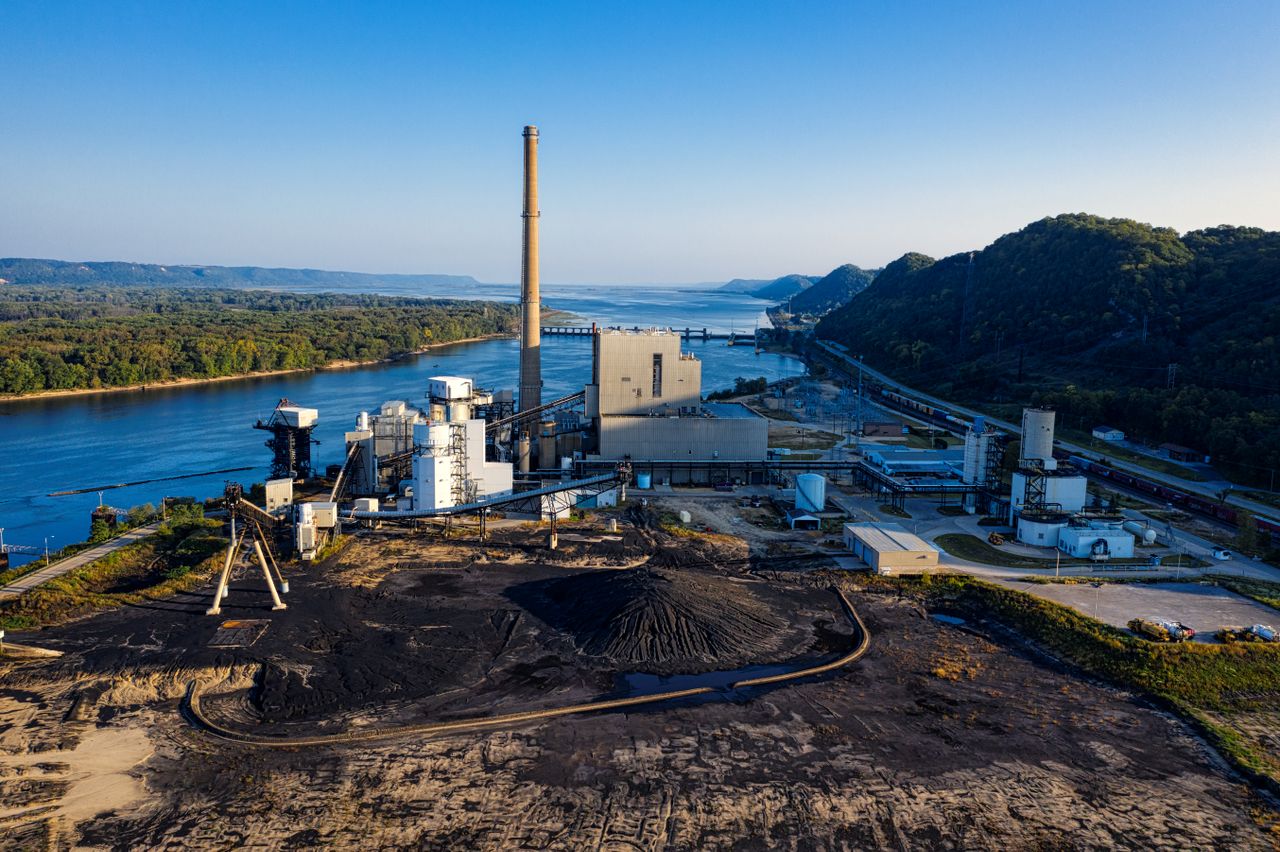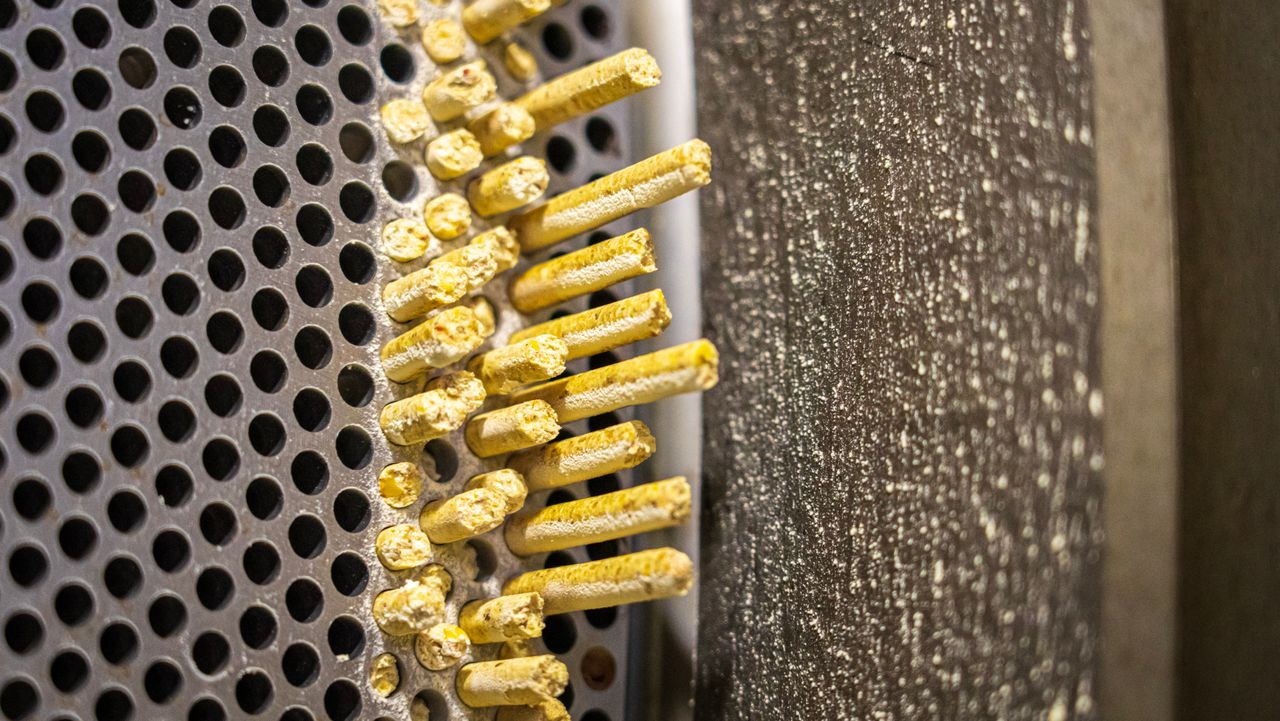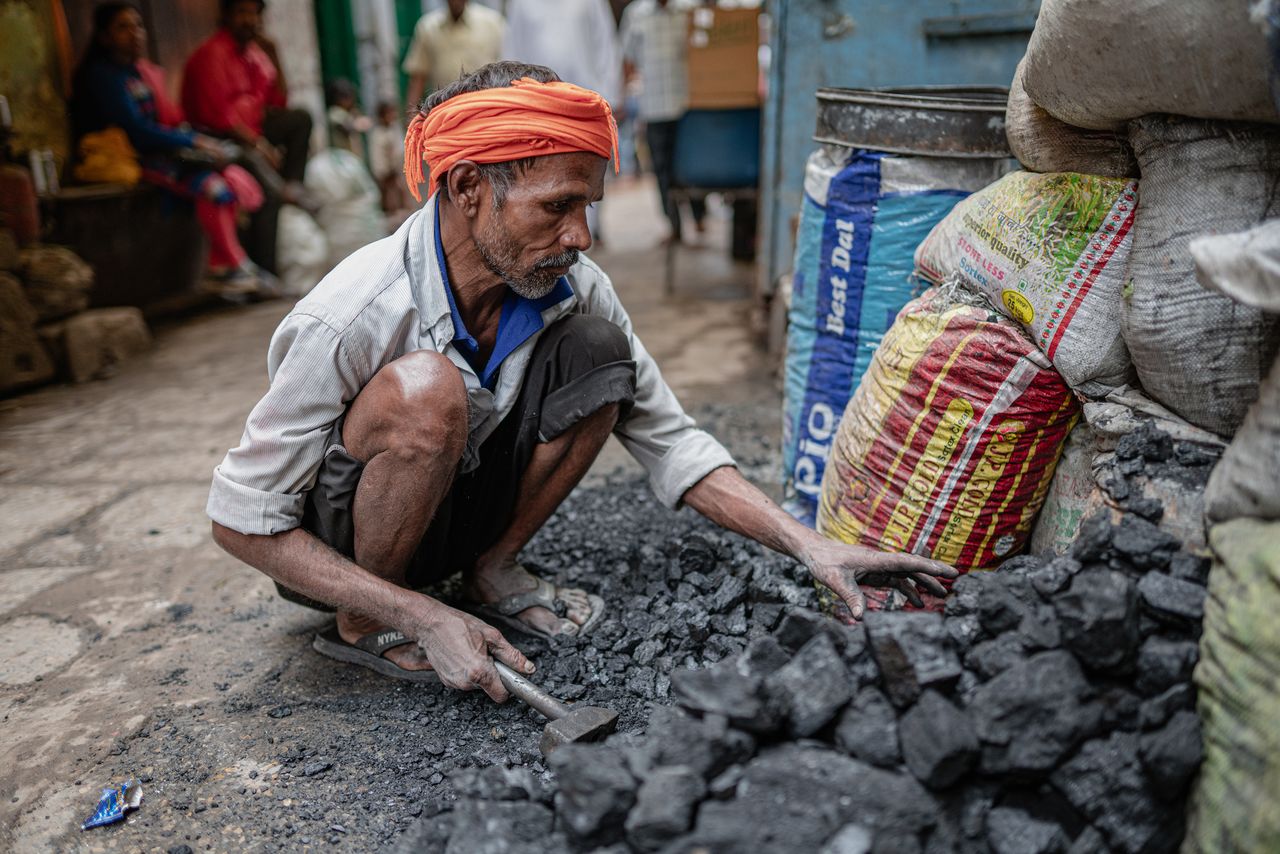
A decade ago, wood pellets were a niche heating fuel for a handful of Scandinavian and Baltic households. Today, entire coal-fired power stations across Europe have been converted to run on them, container ships loaded with pellets cross the Pacific to feed Japanese and South Korean utilities, and Indonesian producers are scaling up licensed capacity to meet demand neither region can fully supply on its own. Here’s what’s actually shaping the wood pellet trade in 2026, and what buyers need to understand before they lock in supply.
What Wood Pellets Are and Why They Scaled So Fast
Wood pellets are compressed cylinders of biomass, typically sawdust, wood shavings, or forestry and mill residues, dried and pressed under high pressure into a dense, uniform fuel format without added binders in most production processes. That density and consistency are exactly what allowed pellets to scale from a residential niche fuel into a genuine utility-grade energy commodity: they store compactly, flow through automated feed systems, and burn with predictable calorific output batch after batch, properties that raw biomass residues simply can’t match.
According to Fortune Business Insights, the global wood pellet market was valued at approximately USD 20.93 billion in 2025 and is projected to reach USD 34.90 billion by 2034, growing at a compound annual growth rate of roughly 5.67 percent. Europe currently accounts for the largest share of that market, driven by aggressive renewable energy targets, carbon regulation, and government incentives that have made biomass a preferred replacement for coal in both power generation and district heating.
Three Forces Reshaping Global Pellet Demand in 2026
Europe’s Utility-Scale Coal-to-Biomass Conversions
European utilities have spent the past several years converting large coal-fired generating units to run on wood pellets, a transition supported by carbon pricing and the European Green Deal’s broader push to displace fossil fuels. This isn’t a marginal trend; it represents some of the largest single sources of wood pellet demand globally, and it has pulled pellet trade flows toward long-term supply contracts rather than spot purchasing, since utilities need volume certainty measured in years, not months.
Asia-Pacific’s Rising Share of Global Trade
While Europe still anchors global pellet trade, Mordor Intelligence notes that rising imports by Japan and South Korea, alongside early co-firing pilot programs in China and India, are tilting incremental market growth toward the Asia-Pacific region. Japan’s feed-in-tariff structure for biomass power and South Korea’s Renewable Portfolio Standard obligations have both created durable, policy-backed demand that Southeast Asian producers, particularly in Indonesia, are increasingly positioned to supply.
Indonesia’s Expanding Role as a Supply Origin
Indonesia’s wood pellet production capacity has grown substantially in recent years. Industry reporting citing national forestry data indicates domestic production reached roughly 334,000 cubic meters in 2024, up from around 103,000 cubic meters in 2020, supported by a growing base of licensed processing facilities. That expansion reflects real structural investment, not a temporary export surge, and positions Indonesian producers to absorb a growing share of demand that European and North American production alone cannot meet as Asian import volumes continue climbing.
Certification: The Detail That Actually Decides Contracts
For buyers supplying utility-scale power and district heating operators, particularly in Europe, wood pellet quality claims mean very little without third-party certification behind them. According to the Food and Agriculture Organization of the United Nations, the Sustainable Biomass Program (SBP) is a certification system specifically designed for woody biomass used in industrial-scale energy production, built to help buyers demonstrate that their supply chain meets regulatory and sustainability requirements distinct from forest-level schemes like FSC and PEFC. SBP certification has become a practical prerequisite for pellet producers and traders selling into several major European markets, since it verifies not just legality and sustainable sourcing but also the accurate transmission of energy and carbon data through the supply chain.
Alongside SBP, ENplus certification addresses product quality specifically, verifying consistent pellet characteristics such as diameter, ash content, and mechanical durability that determine how smoothly a batch performs in automated feed systems. Buyers evaluating international suppliers should treat certification documentation as a baseline qualifying requirement, not a value-added extra, particularly as EU sustainability criteria under the Renewable Energy Directive continue tightening chain-of-custody expectations across the entire import supply chain.
What to Evaluate Before Committing to a Wood Pellet Supplier
Calorific Value and Ash Content
Quality wood pellets typically deliver calorific values in the range of 4,700 to 5,000 kcal/kg with low ash content, generally under 1 percent for premium-grade material. Buyers should request laboratory documentation confirming these specifications for every shipment, since even small variations in ash content can affect boiler maintenance schedules and emissions performance at scale.
Moisture Consistency and Mechanical Durability
Pellet moisture content should stay reliably under 10 percent, and mechanical durability, meaning resistance to breaking into fines during handling and transport, matters more than buyers often expect. Pellets that degrade in transit generate dust and feed system disruptions that erode the very automation advantages pellets are supposed to deliver.
Supply Chain Documentation and Traceability
Given the certification landscape described above, buyers should confirm what documentation a prospective supplier can actually provide, SVLK legality verification, FSC Chain of Custody, and laboratory analysis at minimum, before assuming a shipment will clear customs and vendor qualification processes in destination markets without delay.
Sourcing Certified Wood Pellets from Indonesia
Tropic World Paradise supplies Wood Pellets produced from compressed sawdust and wood chips, engineered for uniform size, low moisture content, and high calorific value, sourced from processing operations across Sumatra and Kalimantan. For buyers building a broader biomass fuel portfolio, wood pellets pair naturally with other products in our catalog, including Wood Chips for facilities with bulk handling infrastructure, Biomass Briquettes as a compressed alternative fuel format, and Palm Kernel Shells (PKS) for buyers diversifying across biomass fuel types. Every shipment ships with ISO 9001:2015 quality certification, FSC Chain of Custody documentation, SVLK legality verification, and laboratory analysis confirming moisture content, ash content, and calorific value, giving procurement and sustainability teams the documentation needed for compliance and customs clearance without delay.
Frequently Asked Questions
- What calorific value should quality wood pellets deliver? Well-produced wood pellets typically deliver calorific values between 4,700 and 5,000 kcal/kg, though buyers should always confirm this with batch-specific laboratory analysis rather than relying on general product claims.
- Why is SBP certification important for wood pellet buyers in Europe? SBP certification demonstrates that woody biomass is sourced legally and sustainably, and it verifies the transmission of energy and carbon data through the supply chain, which several major European utilities and markets require as a baseline condition for supply.
- Why is Asian demand for wood pellets growing faster than Europe’s in 2026? Japan’s feed-in-tariff framework for biomass power and South Korea’s Renewable Portfolio Standard obligations have both created sustained, policy-backed pellet demand, while co-firing pilot programs in China and India represent additional emerging demand that is still developing.
- How is Indonesia positioned as a wood pellet supply origin? Indonesia’s licensed wood pellet production capacity has expanded significantly in recent years, supported by growing processing infrastructure and increasing interest from Japanese and South Korean buyers seeking supply diversification.
- What should I request before finalizing a bulk wood pellet order? At minimum, request laboratory analysis confirming moisture content, ash content, and calorific value, along with legality verification such as SVLK and chain of custody documentation appropriate to your destination market’s requirements.
Ready to Secure Certified Wood Pellet Supply for 2026?
Whether you’re supplying a utility-scale power conversion, a district heating network, or an industrial boiler system, Tropic World Paradise can structure a shipment that matches your calorific, moisture, and documentation requirements. Request an instant quote or browse our full biomass product catalog to compare options before you order.