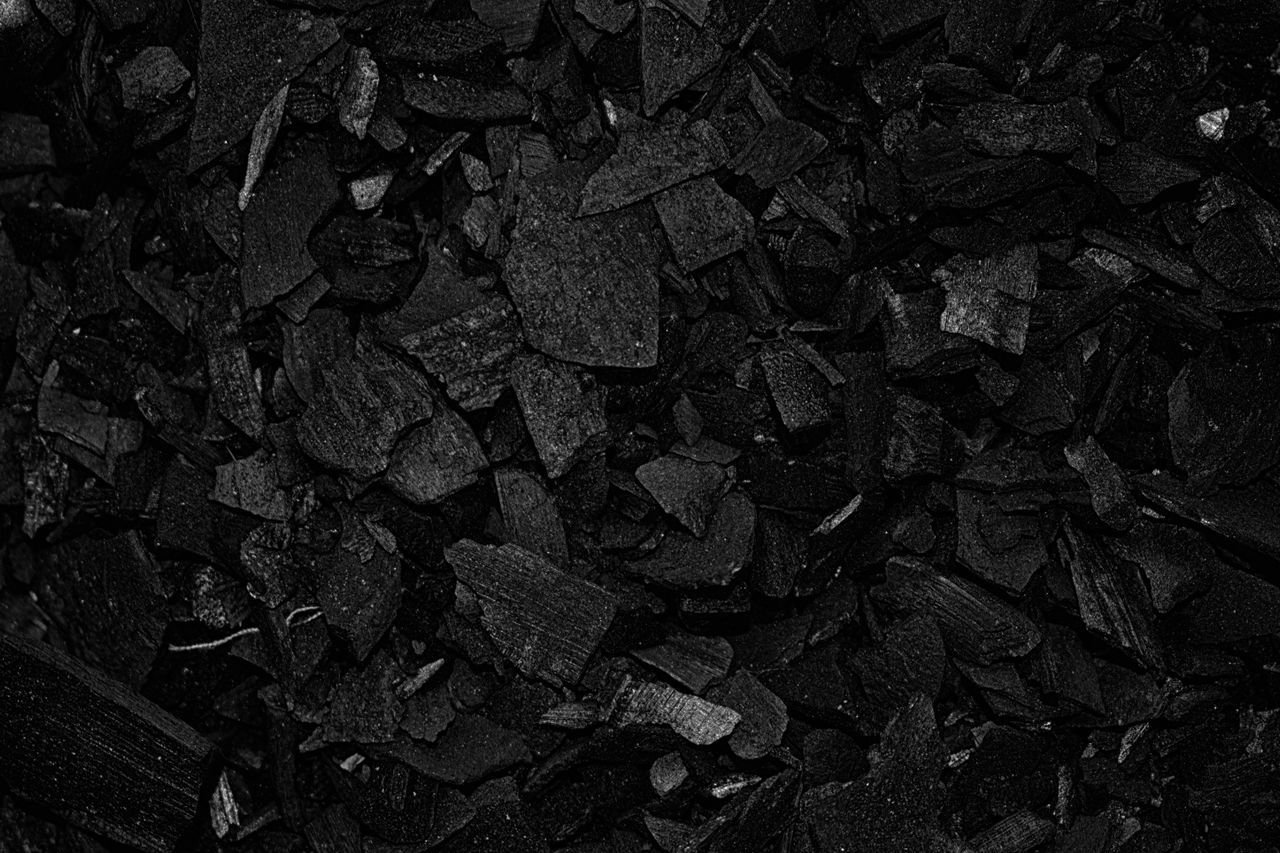
A coconut shell charcoal supplier today is operating in a market under genuine pressure not from weak demand, but from too much of it chasing a raw material supply that hasn’t kept pace. Coconut shell charcoal sits at the base of the global activated carbon industry, feeding water treatment plants, gold recovery operations, food processors, and now, increasingly, next-generation battery manufacturers. This guide breaks down how the raw material and finished product sides of this market actually relate to each other, why prices have been climbing through 2026, and what buyers should look for when sourcing coconut shell charcoal from Indonesia.
The Real Value Chain: Raw Coconut Shell Charcoal vs. Finished Activated Carbon
It’s worth being clear about where different countries actually sit in this value chain, since raw material supply and finished product manufacturing are genuinely separate positions. India remains the established hub for finished coconut shell activated carbon production, with production capacity exceeding 70,000 metric tonnes annually, supported by significant investment in automated carbonization and steam activation plants. Indonesia’s role in this chain is different but no less important: it’s one of the world’s largest raw material sources, supplying the carbonized coconut shell charcoal that Indian, Sri Lankan, and other regional processors convert into finished activated carbon through further steam or chemical activation.
Understanding this distinction matters commercially. A buyer looking for raw, carbonized coconut shell charcoal as an upstream feedstock for further activation is looking for a fundamentally different product and supplier relationship than a buyer looking for finished, activated, acid-washed carbon ready for a water treatment or gold recovery application. Indonesia’s genuine strength sits squarely in the former category.
Why Prices Are Climbing: The 2026 Raw Material Squeeze
Anyone sourcing coconut shell charcoal in 2026 needs to understand a supply dynamic that’s been reshaping pricing all year. Industry pricing analysis has tracked standard water-treatment grade coconut shell activated carbon (iodine 900–1000 mg/g, 8×30 mesh) running in the range of $950–$1,300 per tonne, with high-purity gold recovery grade carbon reaching $1,800–$2,200 per tonne, with prices firming 5–8% since Q4 2025 specifically due to tight coconut shell supply out of Southeast Asia. This isn’t a demand story so much as a raw material availability story the coconut shells feeding this entire industry are ultimately a byproduct of coconut consumption and processing, and that supply doesn’t scale up quickly just because activated carbon demand is rising.
This raw material tightness is exactly why documented, reliable supply relationships matter more in 2026 than they have in previous years. Buyers who lock in consistent sourcing arrangements are considerably better positioned than those relying on opportunistic spot purchases in a market where the underlying feedstock is becoming genuinely scarce relative to demand.
A New Competitor for Coconut Shell Supply: Sodium-Ion Batteries
Here’s a demand shift that catches many buyers off guard, and it’s genuinely one of the more interesting developments in this market for 2026. Coconut shell charcoal is increasingly being used as a precursor material for porous carbon used in sodium-ion battery anodes, a next-generation energy storage technology gaining real commercial traction. Industry analysis has flagged this as a rising trend actively competing for the same raw material that feeds water filtration, gold recovery, and air purification applications — meaning the coconut shells going into your water filter or gold recovery circuit are now also being pulled toward energy storage manufacturing.
For buyers in traditional activated carbon end-markets, this represents a genuinely new source of competitive pressure on raw material supply — one that didn’t meaningfully exist in this category even a few years ago, and one worth factoring into any long-term procurement planning given how quickly battery-grade demand is scaling.
What Coconut Shell Charcoal Is Actually Used For
Water Treatment and Gold Recovery
Coconut shell charcoal’s dense, high-microporosity structure makes it the preferred raw material for activated carbon used in water treatment removing impurities, chemicals, and contaminants from drinking water and industrial process water and in gold recovery, where activated carbon’s affinity for metal adsorption makes it a standard tool in extracting gold from ore. The broader global activated carbon market, valued at roughly $7.90 billion in 2025 and projected to reach $19.22 billion by 2035, identifies the coconut shell raw material segment specifically as the fastest-growing category by feedstock type, even as coal-based activated carbon still holds the largest overall share.
Food, Beverage, and Pharmaceutical Purification
Beyond water and metals, coconut shell-derived activated carbon plays an established role in food and beverage processing — removing color, odor, and impurities in sugar refining, beverage clarification, and edible oil purification — as well as in pharmaceutical manufacturing, where purity and consistency requirements are especially strict.
Specifications and Certifications Buyers Should Expect
Given the raw material squeeze reshaping this market, documentation matters more than ever. Buyers should expect a Certificate of Analysis per shipment covering iodine number, moisture, ash content, hardness, and mesh distribution, alongside certifications relevant to the end application NSF/ANSI 61 for drinking water contact, AWWA B604 for granular activated carbon standards, ISO 9001 quality management, and FDA or EU food-contact compliance for food-grade uses. High hardness (generally 97%+) and low ash content (under 3%) are the baseline quality markers separating a genuinely export-ready raw material from inconsistent, commodity-grade supply.
Sourcing Raw Coconut Shell Charcoal from Indonesia
Given tightening raw material supply and rising competition from new end-uses like battery manufacturing, buyers sourcing coconut shell charcoal from Indonesia should prioritize suppliers who can document consistent carbonization quality and maintain supply continuity, rather than defaulting to the lowest quoted spot price in a market where availability itself has become the constraint. Buyers exploring this category can review our coconut shell charcoal product page for specification details relevant to activated carbon feedstock and industrial applications.
Frequently Asked Questions
- Does Indonesia produce finished activated carbon or raw coconut shell charcoal? Indonesia is primarily a source of raw, carbonized coconut shell charcoal, which serves as feedstock for further activation. India remains the established hub for finished coconut shell activated carbon production at industrial scale.
- Why have coconut shell charcoal prices risen in 2026? Prices have firmed roughly 5–8% since Q4 2025 due to tight coconut shell raw material supply out of Southeast Asia, a constraint on the feedstock side rather than a simple demand increase.
- Why are sodium-ion batteries relevant to the coconut shell charcoal market? Coconut shell charcoal is increasingly used as a precursor for porous carbon in sodium-ion battery anodes, creating new competition for the same raw material used in water treatment, gold recovery, and air purification applications.
- What certifications should I look for in a coconut shell charcoal supplier? Look for a Certificate of Analysis covering iodine number, moisture, ash content, and mesh distribution, along with relevant certifications such as NSF/ANSI 61, AWWA B604, ISO 9001, and food-contact compliance for food-grade applications.
- What is coconut shell charcoal used for besides activated carbon? Beyond serving as activated carbon feedstock, coconut shell charcoal applications include gold recovery, food and beverage purification, pharmaceutical manufacturing, and more recently precursor material for battery-grade porous carbon.
Ready to Secure Reliable Coconut Shell Charcoal Supply?
Whether you need raw coconut shell charcoal for activated carbon production or a documented, consistent supply relationship amid tightening raw material availability, our team can walk you through specification and sourcing options.
Explore Our Coconut Shell Charcoal Product Page → Contact Our Export Team →