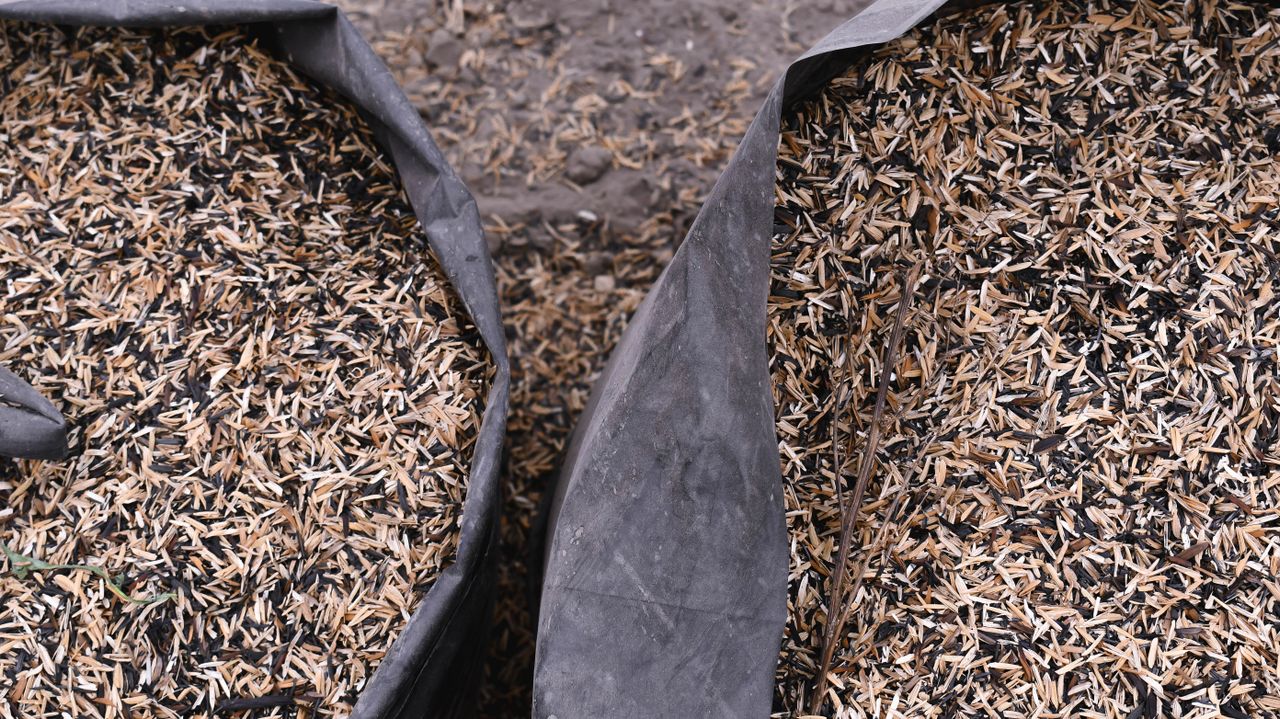
A rice husk supplier in Indonesia sits at the intersection of two very different value streams: rice husk as a bulk biomass fuel for local and regional energy needs, and rice husk ash as an increasingly specification-driven raw material for cement, silica, and specialty industrial applications. What was once treated as low-value milling residue has evolved into a genuinely strategic feedstock, but understanding where the real opportunity sits and where logistics realities limit it matters for any buyer evaluating this category. This guide covers rice husk’s global supply scale, its two main value pathways, and what to realistically expect when sourcing it from Indonesia.
How Much Rice Husk Is Actually Available Globally
Rice husk supply scales directly with global rice production, which remains above 780 million metric tonnes annually. Applying standard husk recovery ratios of 20–25%, industry analysis estimates this generates roughly 155 to 190 million metric tonnes of rice husk worldwide each year, concentrated at rice mills across Asia-Pacific particularly India, China, Thailand, Vietnam, Indonesia, and Bangladesh, which dominate feedstock generation and enable localized sourcing advantages for buyers positioned near milling clusters.
That concentration near milling operations is an important detail, not an incidental one it shapes almost everything about how this material actually moves through global trade, which the rest of this guide unpacks.
Why Rice Husk Ash Has Become a High-Value Material
Cement and Concrete Additives
The single largest demand driver for processed rice husk today is its use as a supplementary cementitious material. Rice husk assures high silica content makes it an effective partial cement replacement in concrete production, reducing embodied carbon emissions while improving structural durability a combination that has made it increasingly attractive as green-building codes tighten globally. Market research indicates cement and concrete additives account for roughly 42% of rice husk ash demand by volume, with the broader global rice husk ash market valued at approximately $3.05 billion in 2026 and projected to reach $3.90 billion by 2031, a segment growing at a steady mid-single-digit annual rate as sustainability-driven construction standards expand.
High-Purity Silica for Specialty Applications
Beyond construction, rice husk ash processed to very high silica purity 90% or above meets pozzolan performance criteria under standards such as ASTM C618 and opens the door to premium applications in tires, refractories, and even battery anode materials, commanding meaningfully higher prices than lower-grade ash sold for basic construction use. This has pushed real investment into more sophisticated processing controlled combustion systems, drying infrastructure, and ash beneficiation lines near rice milling clusters, since raw husk itself carries relatively little value compared to properly processed, high-purity ash or extracted silica.
Biomass Power Generation from Rice Husk
Rice husk’s fibrous, combustible structure also supports its long-established role as a biomass power feedstock, particularly for smaller-scale plants located near rice milling operations that can consume husk as a fuel source close to where it’s generated. This local, mill-adjacent power generation model is generally more economically viable than transporting raw husk long distances, since the material’s bulky, low-density physical characteristics work against its economics as a long-haul export commodity — a point worth understanding clearly before assuming rice husk behaves like a globally traded bulk fuel the way wood pellets or PKS do.
The Logistics Reality: Why Rice Husk Trade Stays Mostly Regional
It’s worth being direct about a structural reality in this market, since overselling Indonesia’s position as a rice husk exporter would misrepresent how this trade actually works. Market analysis from trade platform Tridge specifically notes that in Indonesia, as a major rice producer, husk is largely utilized domestically due to bulk logistics constraints the material’s low density relative to its value makes long-distance international shipping economically challenging compared to higher energy-density biomass products like wood pellets or PKS. This isn’t unique to Indonesia; the same dynamic applies across most major rice-producing countries, where husk generally moves regionally and locally rather than across long international shipping routes.
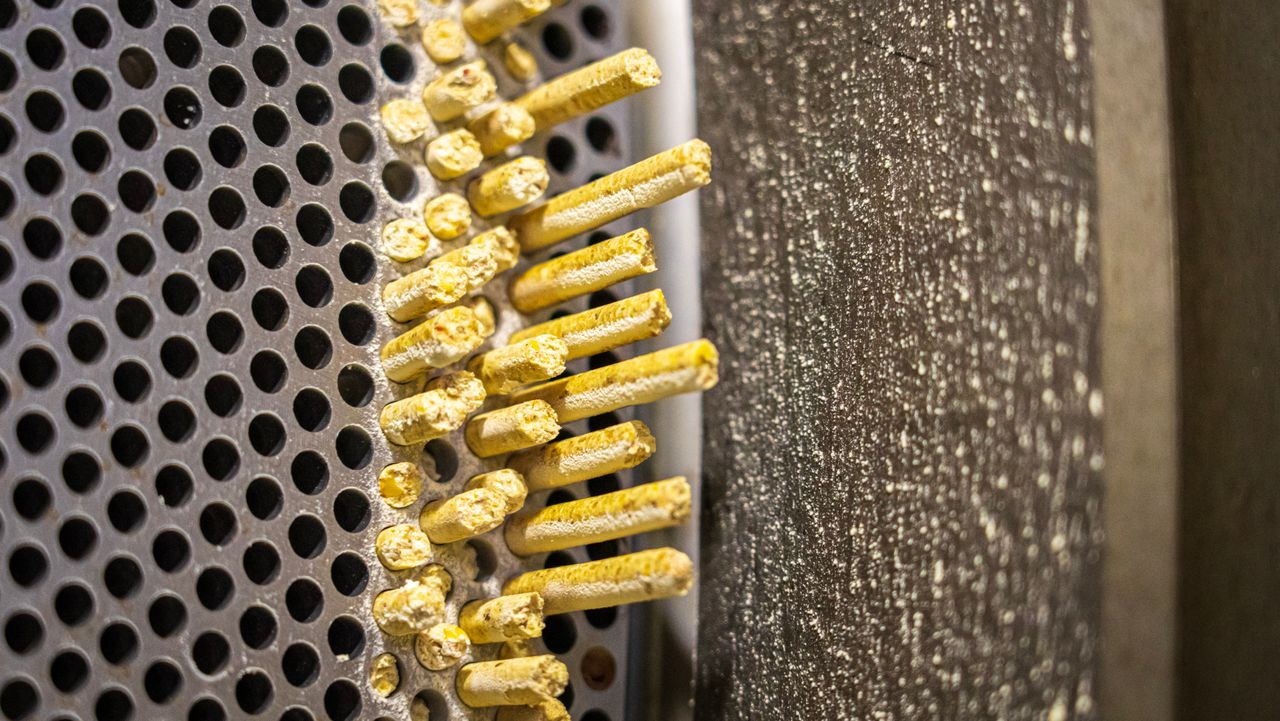
For buyers, this reality actually reframes the opportunity correctly: rather than Indonesia competing globally as a bulk raw husk exporter, the more realistic and valuable opportunity lies in processed rice husk products ash, briquettes, and pellet formats that improve density and value or in regional supply relationships where shipping distance doesn’t erode the material’s already thin margin. Buyers seeking raw rice husk from Indonesia for nearby regional markets, or processed rice husk ash and briquettes for construction or energy applications, represent a fundamentally more realistic sourcing conversation than treating raw husk as a freely traded global bulk commodity.
This distinction matters for how a buyer should structure a supply agreement, too. A raw husk contract priced and shipped like a bulk energy commodity will struggle to compete once freight costs are factored in over long distances, while a contract built around processed, higher-value formats or around a regional buyer close enough to Indonesia that shipping distance stays manageable reflects the material’s actual economics far more accurately.
What Buyers Should Look For When Sourcing Rice Husk
Given the specification-driven nature of higher-value rice husk applications, buyers should confirm silica purity grade for ash-based applications, moisture content documentation for both fuel and construction uses, and increasingly traceability and emission-reduction credentials, since industrial buyers and construction firms are shifting toward multi-year procurement agreements that require steady volume and consistent quality across seasonal rice harvest cycles rather than one-off spot purchases. Buyers exploring this category can review our rice husks product page alongside our biomass briquettes offering for densified, higher-value processed formats.
Frequently Asked Questions
- How much rice husk is produced globally each year? Based on global rice production above 780 million metric tonnes and standard husk recovery ratios of 20–25%, industry estimates place global rice husk production at roughly 155 to 190 million metric tonnes annually.
- Is Indonesia a major exporter of raw rice husk? Not primarily. Like most major rice-producing countries, Indonesia’s rice husk is largely used domestically due to the material’s bulky, low-density characteristics, which make long-distance international shipping of raw husk economically challenging.
- What is rice husk ash used for? Rice husk ash is primarily used as a supplementary cementitious material in concrete production, and when processed to high silica purity, it also supports specialty applications in tires, refractories, and battery materials.
- What certification standard applies to rice husk ash used in cement? High-purity rice husk ash used as a pozzolan in cement applications is generally evaluated against standards such as ASTM C618, which governs performance criteria for supplementary cementitious materials.
- Can rice husk be used for biomass power generation? Yes, particularly in smaller-scale power plants located near rice milling operations, where the fuel can be consumed close to its source without the economic burden of long-distance transport.
Ready to Source Rice Husk or Processed Rice Husk Products?
Whether you need raw rice husk for regional biomass energy use or processed rice husk ash and briquettes for construction and industrial applications, our team can walk you through specification and sourcing options.
Explore Our Rice Husks Product Page → Contact Our Export Team →