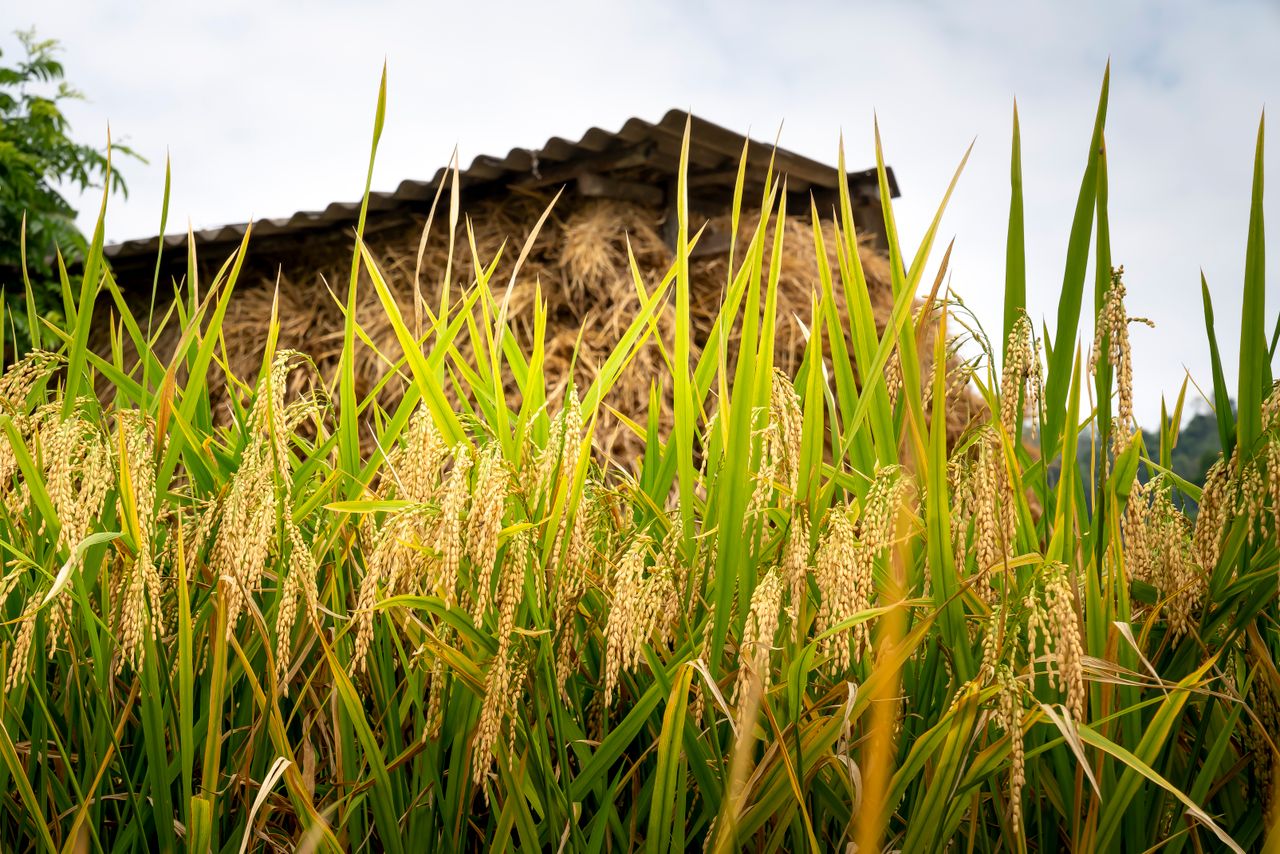
Rice straw biomass is one of the most abundant agricultural residues on the planet, yet it remains one of the most underused a genuine paradox for buyers looking to source a renewable, low-cost feedstock at scale. Every rice harvest leaves behind a stalk that has traditionally been burned in the field or left to decompose, even though that same material can be converted into biomass fuel, compost, and animal bedding. This guide covers what rice straw actually is, why so much of it still goes to waste, and what buyers should know about sourcing it as a genuine biomass raw material from Indonesia.
Rice Straw vs. Rice Husk vs. Edible “Rice Straws”: Clearing Up a Common Mix-Up
Before going further, it’s worth clearing up a genuinely common point of confusion in this space. “Rice straw” in the agricultural and biomass industry refers to the leftover stalk and leaf material of the rice plant after the grain has been harvested an entirely different product from rice husk, which is the hard outer shell removed from the rice grain itself during milling. It’s also unrelated to the biodegradable drinking straws sometimes marketed under similar branding, which are manufactured from rice flour and tapioca starch as a plastic alternative for beverages. This article focuses specifically on rice straw as an agricultural biomass residue the stalk material used for energy, compost, and bedding applications — not the edible drinking straw product category.
Why Rice Straw Matters as a Biomass Resource
The scale of global rice straw production is genuinely difficult to overstate. Research summarized by ScienceDirect’s overview of rice straw as a biomass resource estimates global production at roughly 740 to 1,111 million tonnes annually, generated as a by-product of rice cultivation across more than 100 countries where rice serves as a staple food crop. In Asia alone, rice production reached 686.4 million tonnes in a recent tracked year, with India, China, Thailand, Vietnam, Pakistan, and the United States among the leading producing nations — each generating a proportional volume of leftover straw after harvest.
Composition and Energy Value
Rice straw’s suitability as a biomass feedstock comes down to its composition. It’s a lignocellulosic material made up of roughly 43% cellulose, 25% hemicellulose, and 12% lignin, according to research published in ScienceDirect’s review of rice straw polysaccharide applications. This cellulose-rich structure gives it real potential for bioenergy conversion — research tracking rice straw’s energy potential over a recent ten-year period estimated a lower heating value of around 15.35 megajoules per kilogram, a meaningful energy density for a material that would otherwise be burned in an open field or left to decompose without any energy recovery at all.
Applications: Energy, Agriculture, and Animal Bedding
Biomass Power and Cogeneration
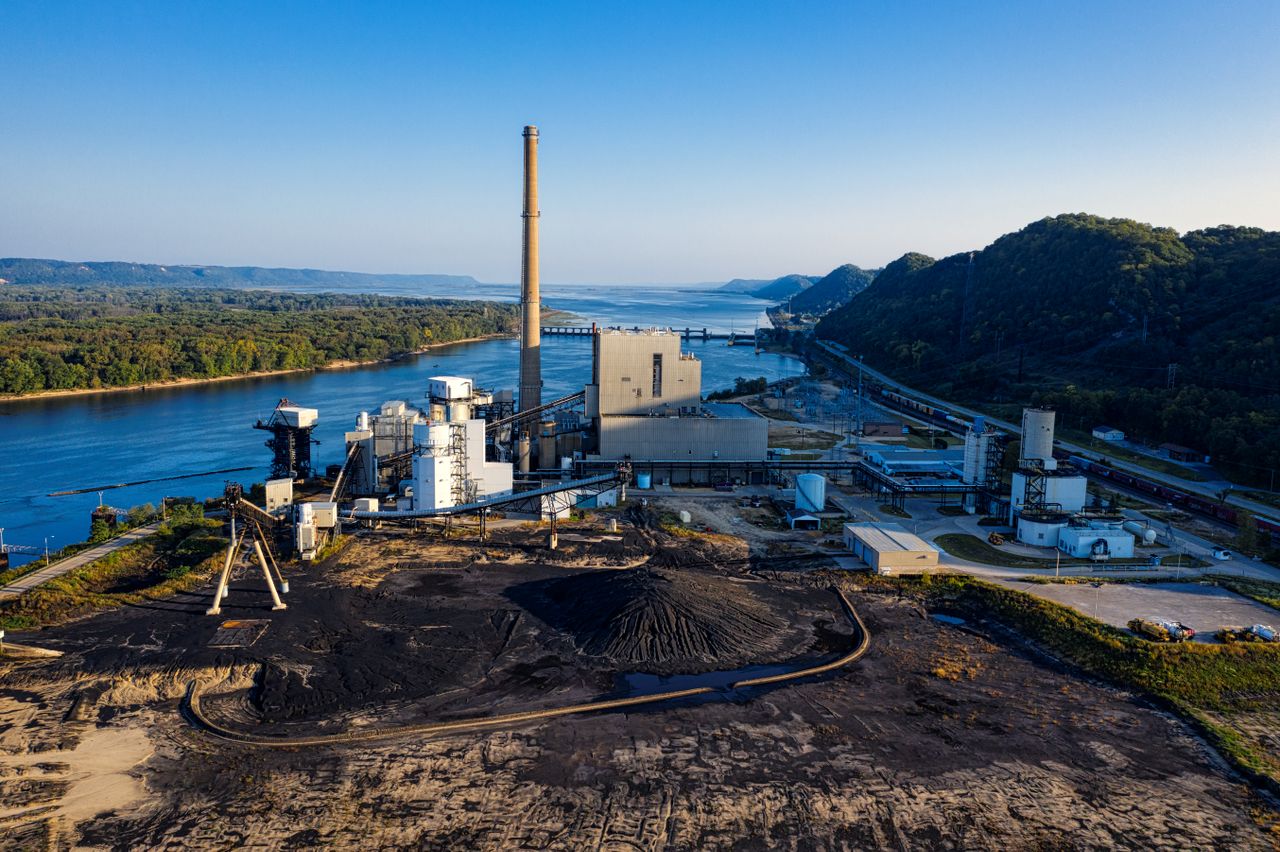
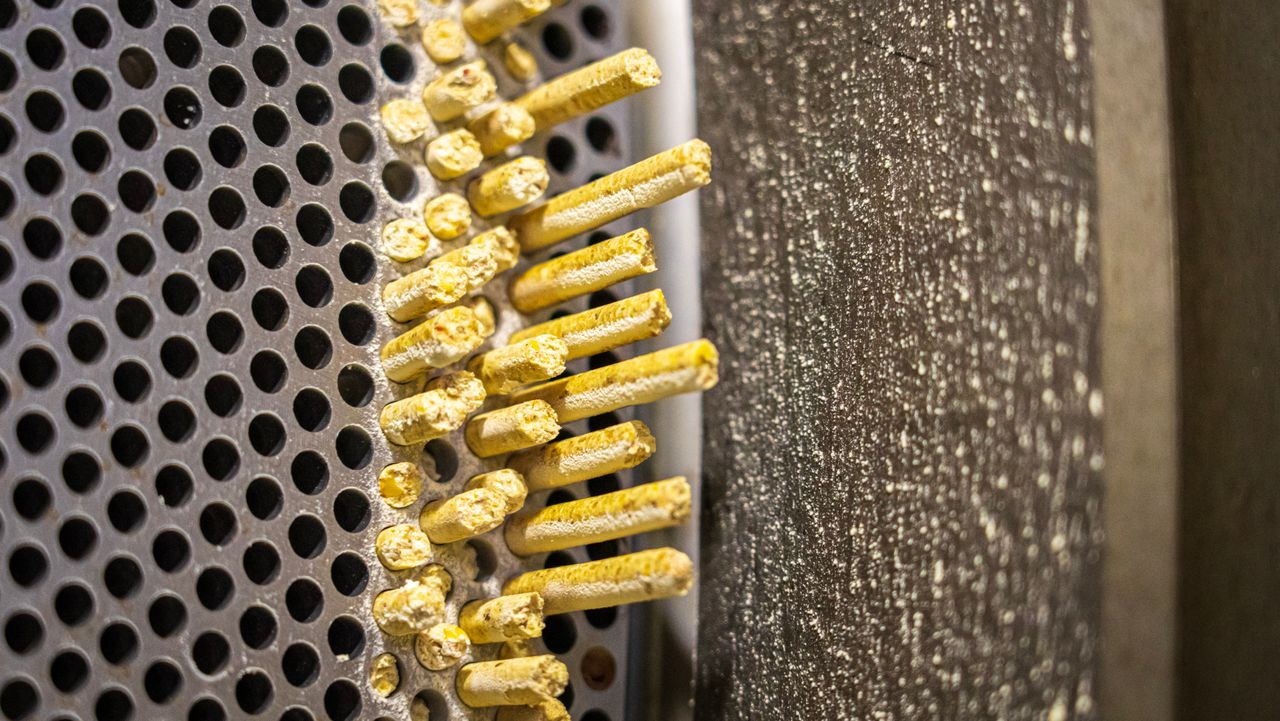
Rice straw’s abundance and cellulose content make it a viable feedstock for biomass power generation and cogeneration facilities, particularly when processed into briquettes or pellets that improve its handling density and combustion consistency compared to loose, baled straw. A review of rice straw utilization in China notes that recycling this residue into energy and value-added products addresses both a waste management challenge and a renewable energy opportunity simultaneously, particularly as countries look to reduce the greenhouse gas emissions associated with traditional open-field straw burning.
Compost and Soil Conditioning
Away from energy applications, rice straw is widely used as a soil conditioner and compost input, returning organic matter to agricultural soil when properly processed rather than burned. This supports broader sustainable agriculture goals by closing a nutrient loop that open burning simply destroys.
Animal Bedding and Livestock Applications
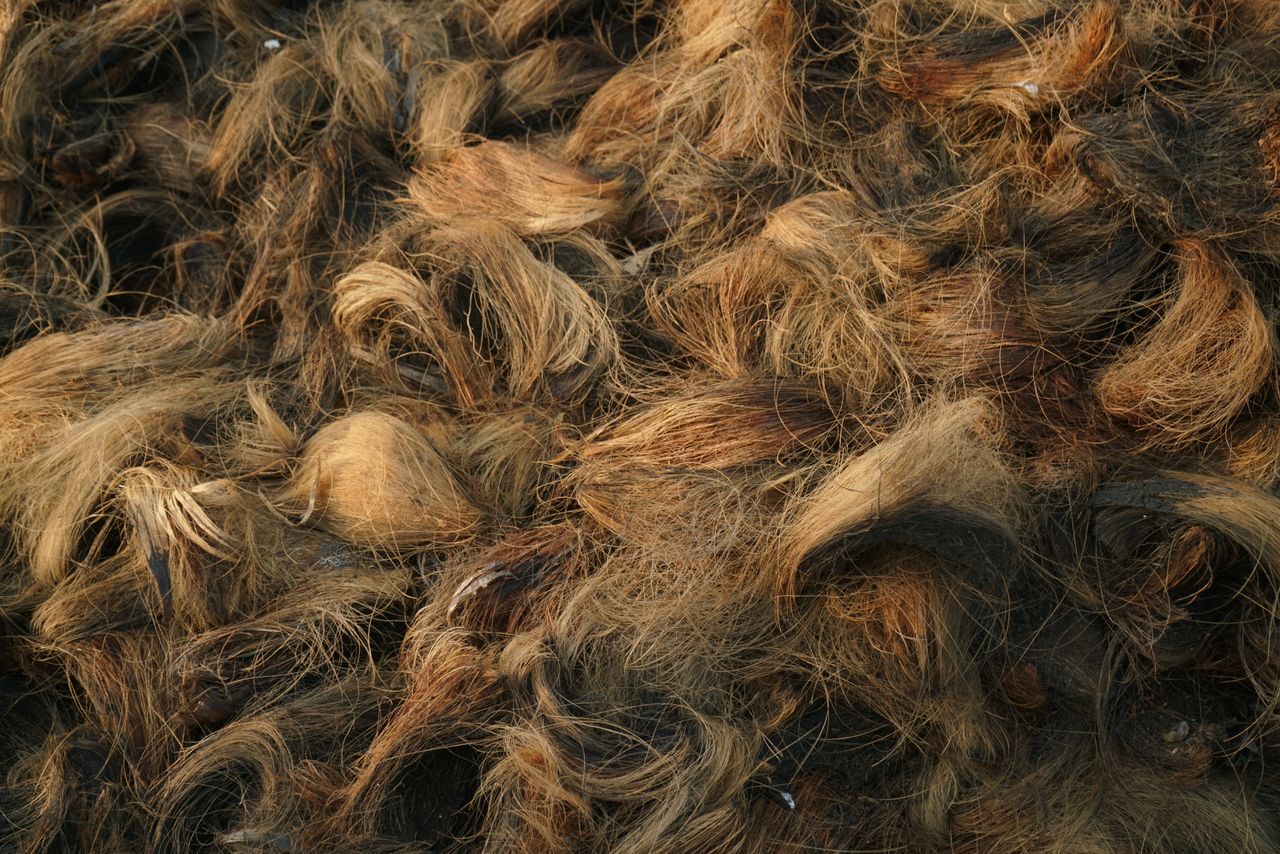
Rice straw also serves a long-established role as livestock feed and bedding material across rice-growing regions, valued for its availability and low cost even though its digestibility as a feed source is comparatively limited research on rice straw as livestock feed notes that actual digestibility by ruminants typically falls in the range of 45 to 50 percent, meaning it functions best as a supplementary feed component or bedding material rather than a primary nutritional source.
Challenges: Why Most Rice Straw Still Gets Burned
It’s worth being direct about why so much rice straw remains underutilized despite its abundance. Rice straw’s high ash and silica content, low nitrogen level, high moisture content, and significant quality variability all complicate its processing and energy conversion compared to woodier biomass feedstocks. Collection logistics add a further complication: because rice straw is generated by smallholder farmers across dispersed agricultural land rather than concentrated industrial sites, gathering, baling, and transporting it to a processing facility carries real cost a factor that has historically made open-field burning the cheapest, if most environmentally damaging, disposal method for many farmers.
This is precisely why building a reliable rice straw supply chain requires infrastructure specifically designed around aggregation from dispersed smallholder sources, consistent moisture management, and processing into a denser, more stable product like briquettes rather than simply treating rice straw as a byproduct that will show up in bulk without deliberate collection investment.
Sourcing Rice Straw from Indonesia
Indonesia’s rice cultivation base generates a substantial volume of post-harvest rice straw each season, and processing this residue into consistent biomass fuel or agricultural input requires the kind of aggregation, drying, and quality control infrastructure that turns a dispersed smallholder byproduct into a genuinely usable industrial material. Buyers evaluating rice straw as a biomass feedstock, compost input, or bedding material should confirm a supplier’s moisture content documentation and consistency across batches, given how directly these factors affect the material’s usability. Readers interested in this category can review our broader range of agricultural biomass residues, including rice husks and biomass briquettes, alongside our rice straw offering.
Frequently Asked Questions
- Is rice straw the same as rice husk? No. Rice straw is the leftover stalk and leaf material of the rice plant after harvest, while rice husk is the hard outer shell removed from the rice grain during milling — they are distinct agricultural residues with different physical properties and applications.
- How much rice straw is produced globally each year? Global estimates place rice straw production at roughly 740 to 1,111 million tonnes annually, generated as a by-product of rice cultivation across more than 100 rice-producing countries.
- What is rice straw’s energy value as a biomass fuel? Research estimates rice straw’s lower heating value at around 15.35 megajoules per kilogram, making it a viable, if lower-density, feedstock for biomass energy applications when properly processed.
- Why is so much rice straw still burned in the field instead of used? High ash and silica content, moisture variability, and the logistical cost of collecting straw from dispersed smallholder farms all make open burning the cheapest disposal method for many farmers, despite its environmental downsides.
- Can rice straw be used as animal feed? Yes, though its digestibility by ruminants is comparatively limited, typically around 45 to 50 percent, making it more suitable as a supplementary feed or bedding material than a primary nutritional source.
Ready to Source Rice Straw Biomass for Your Operation?
Whether you need rice straw for energy conversion, compost, or animal bedding, our team can walk you through specification, moisture documentation, and shipping options.