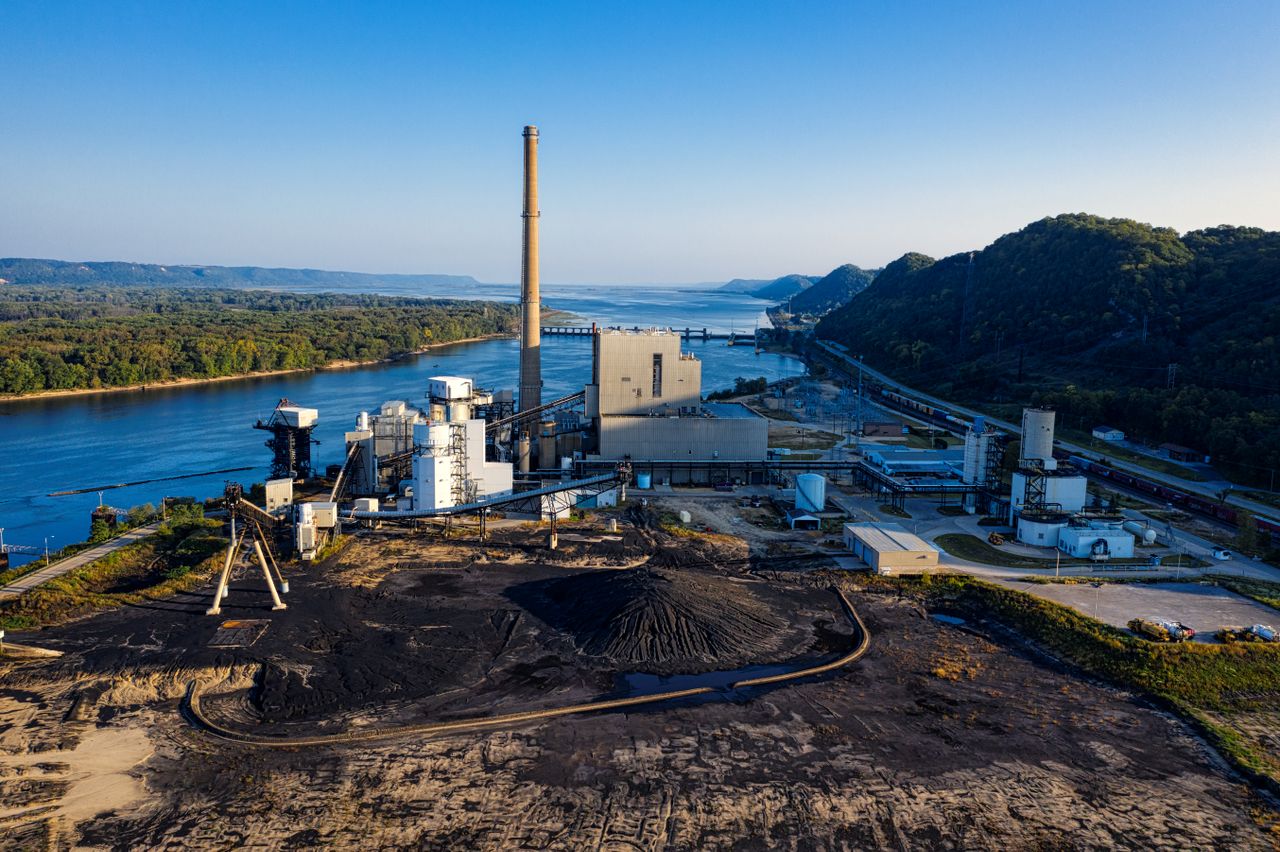
As European utilities race to decommission coal-fired district heating plants, an old-fashioned fuel is finding new industrial relevance. Solid wood logs, once associated mainly with rural households and campfires, are being specified again by industrial boiler operators, kilns, and district heating networks looking for a straightforward, carbon-neutral replacement for coal that doesn’t require a complete plant redesign. Here’s what’s actually driving demand for industrial-grade wood logs in 2026, and what buyers should know before sourcing them internationally.
What Industrial Wood Logs Actually Are
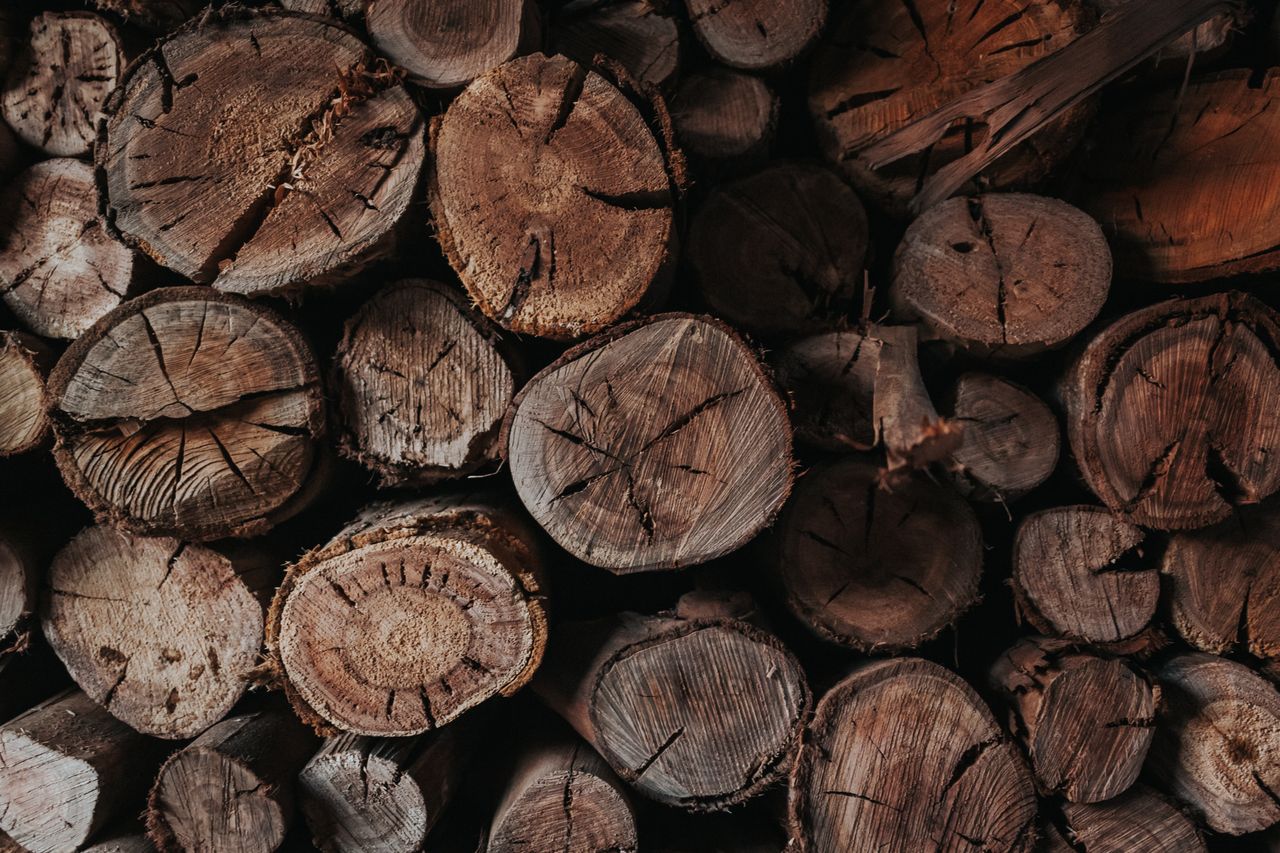
In an industrial energy context, wood logs refer to solid, unprocessed or minimally processed roundwood and split wood sections used directly as combustion fuel, distinct from the more processed biomass fuel categories like pellets, briquettes, or wood chips. Industry segmentation typically groups fuelwood into several categories, including unprocessed firewood, pellets, chips, briquettes, and charcoal, each suited to different combustion equipment and end-use scale.
Wood logs offer stable, sustained combustion and a straightforward handling profile that makes them attractive for facilities that don’t require the pelletizing or chipping infrastructure needed for processed biomass fuel. For industrial heating applications, moisture content and calorific value remain the two properties that matter most, since improperly seasoned logs burn inefficiently and produce excess smoke and ash.
Seasoned vs. Green Wood: Why It Matters for Industrial Buyers
Green, freshly cut wood can hold moisture content well above 40 percent, which significantly reduces usable calorific value and increases smoke output during combustion. Properly seasoned or kiln-dried logs, by contrast, typically bring moisture down to a range that supports efficient, consistent burning. Buyers sourcing wood logs for continuous industrial operations should always request moisture content documentation rather than relying on visual inspection, since moisture differences that aren’t obvious on delivery can meaningfully affect boiler performance and fuel consumption rates.
Why Demand for Wood Log Fuel Is Rising in 2026
Europe’s Accelerating Coal-to-Biomass Transition
According to market analysis from MarketResearch.com’s Fuelwood Market report, several European countries intensified efforts to decommission coal-based district heating infrastructure starting in early 2026, in line with national emission reduction targets. Fuelwood, including unprocessed and minimally processed wood logs, is being adopted as a primary coal replacement in these systems because of its availability, cost competitiveness, and carbon-neutral classification under current regulatory frameworks. Large district heating networks serving urban populations are increasingly integrating wood-based fuel into their thermal generation mix as this transition accelerates.
Steady, Underlying Growth in Established Markets
Even outside Europe’s coal phase-out, the underlying fuelwood market continues to expand. Grand View Research reports that the US fuelwood market alone was valued at approximately USD 3.62 billion in 2024 and is projected to reach USD 4.50 billion by 2030, driven partly by rising interest in fuelwood as a renewable, carbon-neutral heating source amid growing environmental awareness. While much of that demand sits in residential heating, the same underlying market dynamics, cost stability and renewable classification, are pushing industrial and commercial operators toward wood-based fuel as well.
Industrial and Commercial Applications Beyond Heating
Wood logs remain a practical fuel choice for several specific industrial processes where sustained, direct-fire combustion is preferable to processed biomass:
- Brick and ceramic kilns, which require prolonged high-temperature firing cycles well suited to log-fed combustion systems.
- Tobacco curing and food drying operations, particularly across parts of Asia and Africa, where direct wood log combustion remains a standard curing method.
- Textile dyeing and steam generation facilities, which often use simple wood-fired boilers for process heat.
- Small to mid-scale district heating and institutional facilities, including schools, hospitals, and municipal buildings transitioning away from oil or coal-fired boilers.
What to Evaluate Before Sourcing Wood Logs Internationally
Calorific Value and Species Composition
Calorific value varies meaningfully by wood species and density, with denser hardwood species generally delivering higher energy content per unit volume than softer, faster-growing species. Buyers should request species composition and calorific value documentation rather than assuming uniformity across a shipment, particularly for continuous industrial combustion operations where fuel consistency directly affects production planning.
Legality and Sustainable Sourcing Documentation
Given ongoing global scrutiny of deforestation-linked commodities, buyers increasingly need documented proof that wood log material is sourced legally and sustainably, particularly for shipments destined for the European market, where sustainability and due diligence requirements for wood-based products continue to tighten. Suppliers who can provide SVLK legality verification and FSC Chain of Custody documentation significantly reduce the compliance burden for buyers navigating these requirements.
Sizing and Handling Specifications
Industrial combustion equipment is often calibrated for specific log dimensions, and mismatched sizing can affect feed system performance and combustion efficiency. Buyers should confirm log length, diameter range, and splitting specifications against their specific boiler or kiln requirements before finalizing a bulk order, rather than assuming standard sizing will fit non-standard equipment.
Sourcing Reliable Wood Logs from Indonesia
Tropic World Paradise supplies Wood Logs as a solid biomass fuel material engineered for stable combustion, sourced from sustainably managed plantation and processing operations across Sumatra and Kalimantan. For buyers building a broader industrial fuel portfolio, wood logs pair naturally with other products in our catalog, including Wood Pellets for facilities requiring uniform, high-density processed fuel, Wood Chips for boiler systems calibrated for chipped biomass, and Wood Shavings for buyers with additional fuel or industrial handling requirements. Every shipment ships with ISO 9001:2015 quality certification, FSC Chain of Custody documentation, SVLK legality verification, and laboratory analysis confirming moisture content and calorific value, giving procurement and sustainability teams the documentation needed for compliance and customs clearance without delay.
Frequently Asked Questions
- What is the difference between wood logs and wood pellets as an industrial fuel? Wood logs are solid, minimally processed roundwood or split wood used for direct combustion, while wood pellets are compressed sawdust and wood residue engineered for uniform size and automated feed systems. Logs suit facilities with simpler, direct-fire equipment such as kilns and boilers, while pellets suit automated combustion systems requiring precise, consistent fuel handling.
- Why is European demand for wood log fuel increasing in 2026? Several European countries are accelerating the decommissioning of coal-fired district heating infrastructure to meet emission reduction targets, and wood-based fuel, including logs, is being adopted as a cost-competitive, carbon-neutral replacement within existing or adapted heating networks.
- What moisture content should industrial-grade wood logs have? Well-seasoned or kiln-dried wood logs should have significantly lower moisture content than green wood, which can exceed 40 percent. Buyers should request specific moisture content documentation for their shipment rather than relying on general seasoning claims.
- Are wood logs a sustainable fuel option? Wood logs sourced from sustainably managed plantations with proper legality verification and chain of custody documentation are considered a renewable, carbon-neutral fuel source, though buyers should always confirm sourcing documentation given increasing global scrutiny of deforestation-linked wood products.
- What industries use wood logs as a fuel source beyond residential heating? Brick and ceramic kilns, tobacco curing and food drying operations, textile dyeing facilities, and small to mid-scale district heating and institutional boiler systems commonly use wood logs for direct-fire combustion.
Ready to Source Certified Wood Log Fuel for Your Operation?
Whether you’re supplying a kiln operation, a district heating network transitioning away from coal, or an industrial boiler system, Tropic World Paradise can structure a shipment that matches your calorific and moisture specifications. Request an instant quote or browse our full biomass product catalog to compare options before you order.