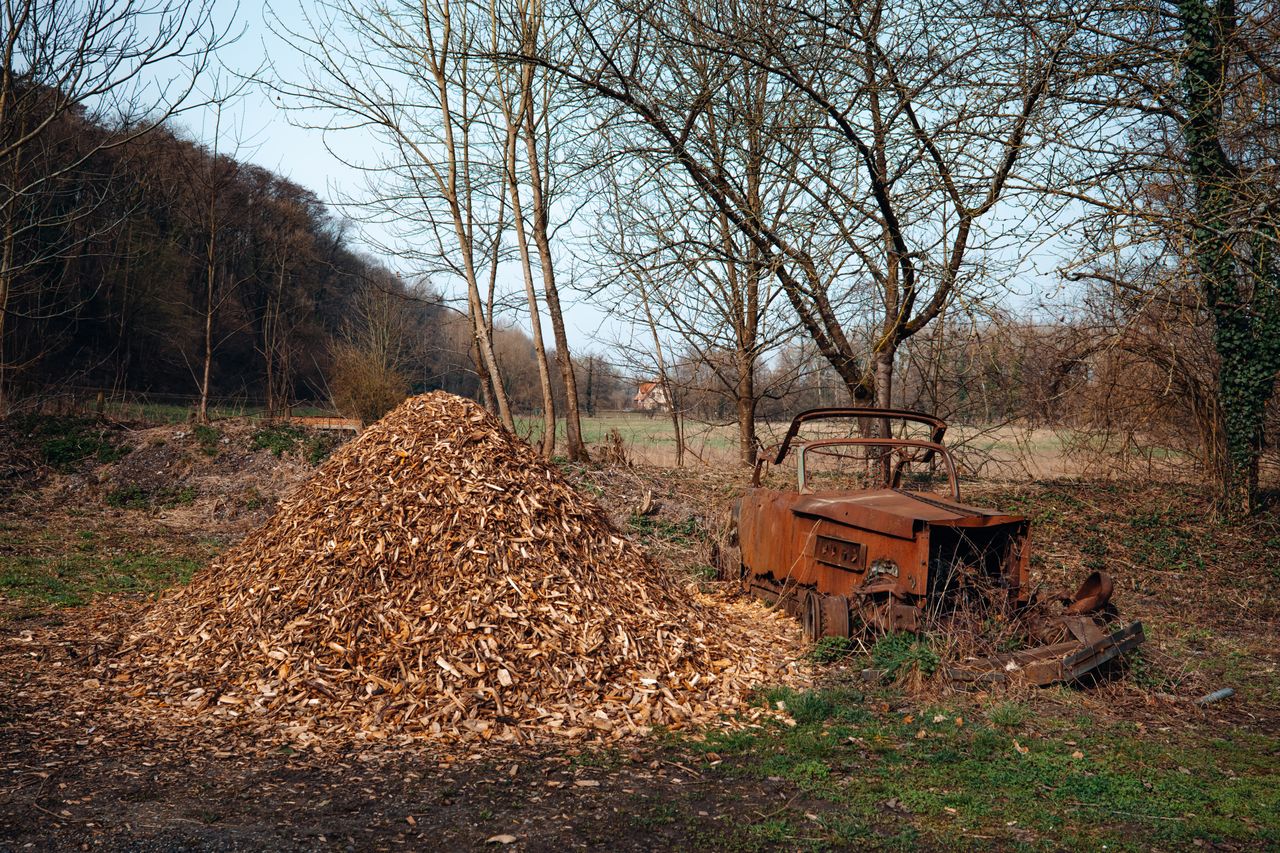
Indonesia has quietly become one of the fastest-growing names in Asia’s wood chip trade, feeding pulp mills, biomass power plants, and panelboard manufacturers across China, Japan, and South Korea. For buyers evaluating a wood chip supplier in Indonesia, the decision goes well beyond price per ton, since the same commodity is graded and specified very differently depending on whether it is headed for a pulp digester, a biomass boiler, or a landscaping yard.
This guide breaks down the grades, applications, and 2026 export dynamics buyers need to understand before placing an order.
Wood Chip Grades: What Buyers Actually Need to Specify
Pulp and Fiber Grade
Pulp-grade wood chips are the most tightly specified category, since pulp mills need uniform chip size, low bark content, and species consistency to protect fiber yield and product quality. Buyers in this segment typically request hardwood chips from species like acacia and eucalyptus, both widely plantation-grown across Indonesia and increasingly favored by Asian pulp buyers as a cost-effective alternative to higher-priced hardwood sources.
Energy and Biomass Grade
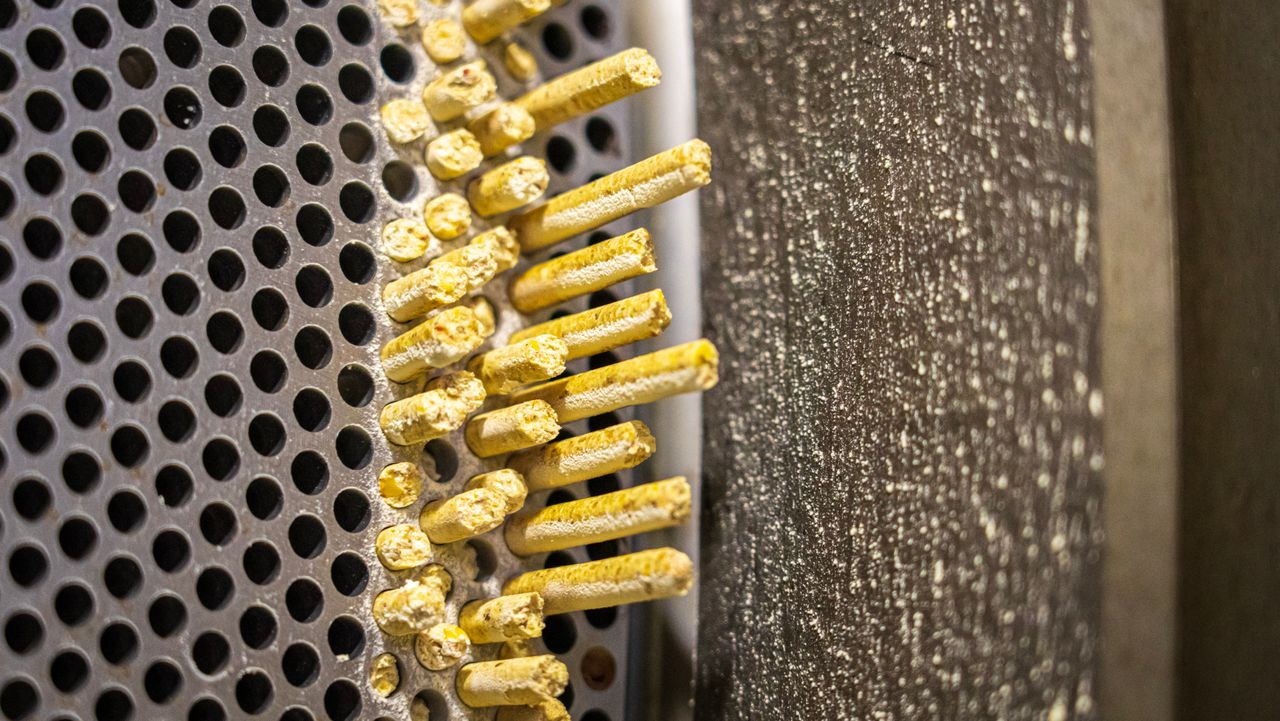
Biomass-grade wood chips prioritize calorific value and moisture consistency over strict size uniformity, since boiler systems are generally more tolerant of species mixing than pulp digesters. This grade has become the fastest-growing demand segment globally as utilities convert coal-fired capacity to biomass co-firing and dedicated biomass plants.
Panelboard Grade
Chips destined for particleboard and oriented strand board (OSB) manufacturing require controlled size distribution and low contamination, since oversized or foreign material can compromise board strength and surface finish during pressing.
Landscaping and Mulch Grade
The least technically demanding category, landscaping-grade wood chips prioritize appearance and consistency of color over precise moisture or calorific specifications, making it a lower-margin but lower-barrier segment for smaller suppliers.
Where Indonesian Wood Chips Are Used
Pulp and Paper Manufacturing
Pulp and paper remains the single largest global end use for wood chips, and Indonesia’s growing acacia and eucalyptus plantation base positions it as an increasingly important feedstock source for regional pulp mills, particularly as buyers diversify away from more expensive traditional suppliers.
Biomass Power and Co-Firing
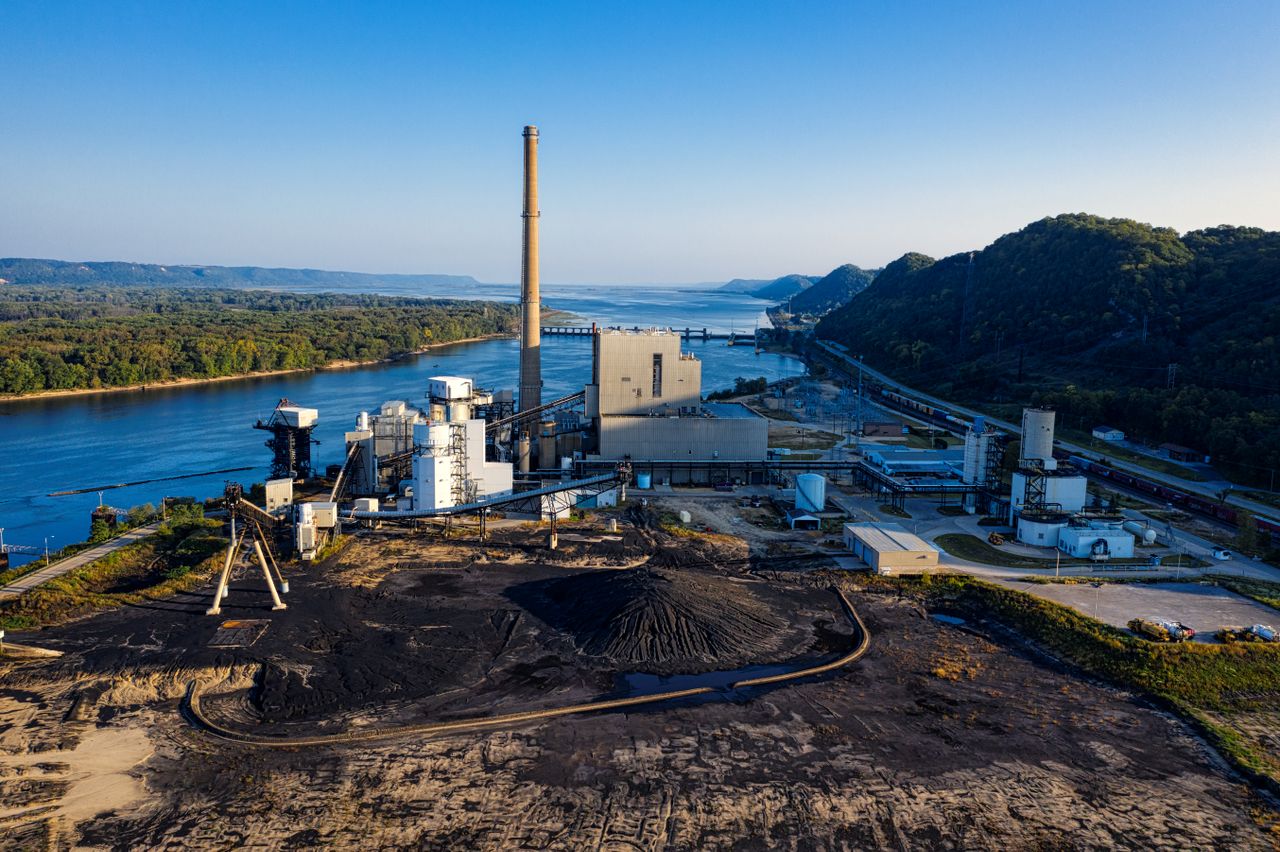
As Asian utilities work to reduce coal dependence, wood chips are increasingly co-fired with coal or burned in dedicated biomass plants, a trend reinforced by the fact that many existing combustion systems can be retrofitted for biomass rather than fully rebuilt, lowering the transition cost for power generators.
Panelboard and Engineered Wood Products
Growth in furniture and construction materials manufacturing across Asia continues to support steady demand for panelboard-grade chips, particularly in China and Southeast Asia’s expanding wood products sector.
The 2026 Export Market: Where Indonesia Fits
Indonesia’s Growing Role in Asian Pulp Supply Chains
According to trade data compiled by IndustryEdge, hardwood woodchip trade volumes involving Indonesia rose sharply in FY25, reflecting the country’s expanding position as a supply source for Asian pulp manufacturers alongside established exporters like Vietnam, Thailand, and Australia. Indonesia’s plantation-grown acacia and eucalyptus give it a cost advantage that continues to attract buyers looking to diversify sourcing away from higher-priced origins.
Global Market Growth Backing Demand
The broader wood chip market gives useful context for where Indonesian export volumes are headed. According to Verified Market Reports, the global wood chips market was valued at approximately USD 10.5 billion in 2024 and is projected to reach USD 15.2 billion by 2033, growing at a compound annual growth rate of around 4.4 percent, with Asia-Pacific demand playing a central role in that growth through industrial wood processing and fiber import needs.
Rising Documentation and Traceability Expectations
Buyers sourcing from Indonesia in 2026 are increasingly expected to request sustainability and legality documentation alongside standard quality specs, as traceability expectations that originated in European markets continue spreading into Asian supply chain requirements. Suppliers who can provide clear chain-of-custody documentation are increasingly winning long-term contracts over those competing on price alone.
What to Check Before Choosing a Wood Chip Supplier
Species and Grade Consistency
Confirm which species the supplier is offering and whether volumes are consistent shipment to shipment, since species mixing can affect pulp yield, combustion performance, or panelboard quality depending on your application.
Moisture Content and Size Specification
Request documented moisture content and size distribution appropriate to your end use. Pulp and panelboard buyers need tighter tolerances than biomass energy buyers, who generally have more flexibility on particle uniformity.
Legality and Sustainability Documentation
Ask for chain-of-custody and legality documentation covering the chip’s origin, particularly if your organization or downstream customers require sustainability reporting. Indonesian timber exports operate under the mandatory Sistem Verifikasi Legalitas Kayu (SVLK), the country’s national timber legality assurance system, which requires exporters to hold a V-Legal document confirming that wood products were legally harvested, processed, and traced from forest or plantation to port. Indonesia remains the only country with a FLEGT license recognized by the European Union, meaning SVLK-certified shipments generally clear EU import requirements without additional due diligence. Buyers should confirm a supplier’s SVLK status directly, since this documentation has moved from a nice-to-have to a standard expectation in 2026 sourcing conversations.
Logistics and Shipping Capacity
Wood chips ship in bulk via dedicated chip carriers, so confirm the supplier’s port access, loading capacity, and ability to meet your required shipment volumes and schedule.
Sourcing Wood Chips from Tropic World Paradise
PT Tropic World Paradise supplies wood chips sourced from Indonesia’s forestry residues and plantation wood, with grade options suited to pulp, biomass energy, and panelboard applications. As part of a wider portfolio of biomass products, the company supports buyers across Asia, Europe, and the Middle East with verified specifications, competitive pricing, and full traceability from farm to port.
Frequently Asked Questions
What wood chip grade is best for biomass power generation? Energy or biomass-grade chips are generally the right fit, since boiler systems tolerate species mixing better than pulp mills and prioritize calorific value and moisture consistency over strict size uniformity.
Why is Indonesia becoming a bigger player in the wood chip export market? Indonesia’s plantation-grown acacia and eucalyptus offer a cost-competitive alternative for Asian pulp and biomass buyers looking to diversify away from higher-priced traditional suppliers.
What is the difference between pulp-grade and panelboard-grade wood chips? Pulp-grade chips prioritize species consistency and low bark content to protect fiber yield, while panelboard-grade chips focus on controlled size distribution and low contamination to maintain board strength.
Do I need sustainability documentation to import wood chips from Indonesia? Increasingly, yes. Traceability and legality documentation have become standard expectations in 2026, particularly for buyers with downstream sustainability reporting requirements.
How is wood chip pricing typically structured for bulk export orders? Pricing generally reflects species, grade, moisture content, and shipping distance, with pulp and panelboard grades commanding a premium over general biomass-grade material due to tighter specifications.
Ready to Source Wood Chips from a Reliable Indonesian Supplier?
Whether you need pulp-grade, biomass-grade, or panelboard-grade wood chips, Tropic World Paradise offers verified specifications and dependable global supply. Request a Quote or Contact Our Team to discuss your requirements today.