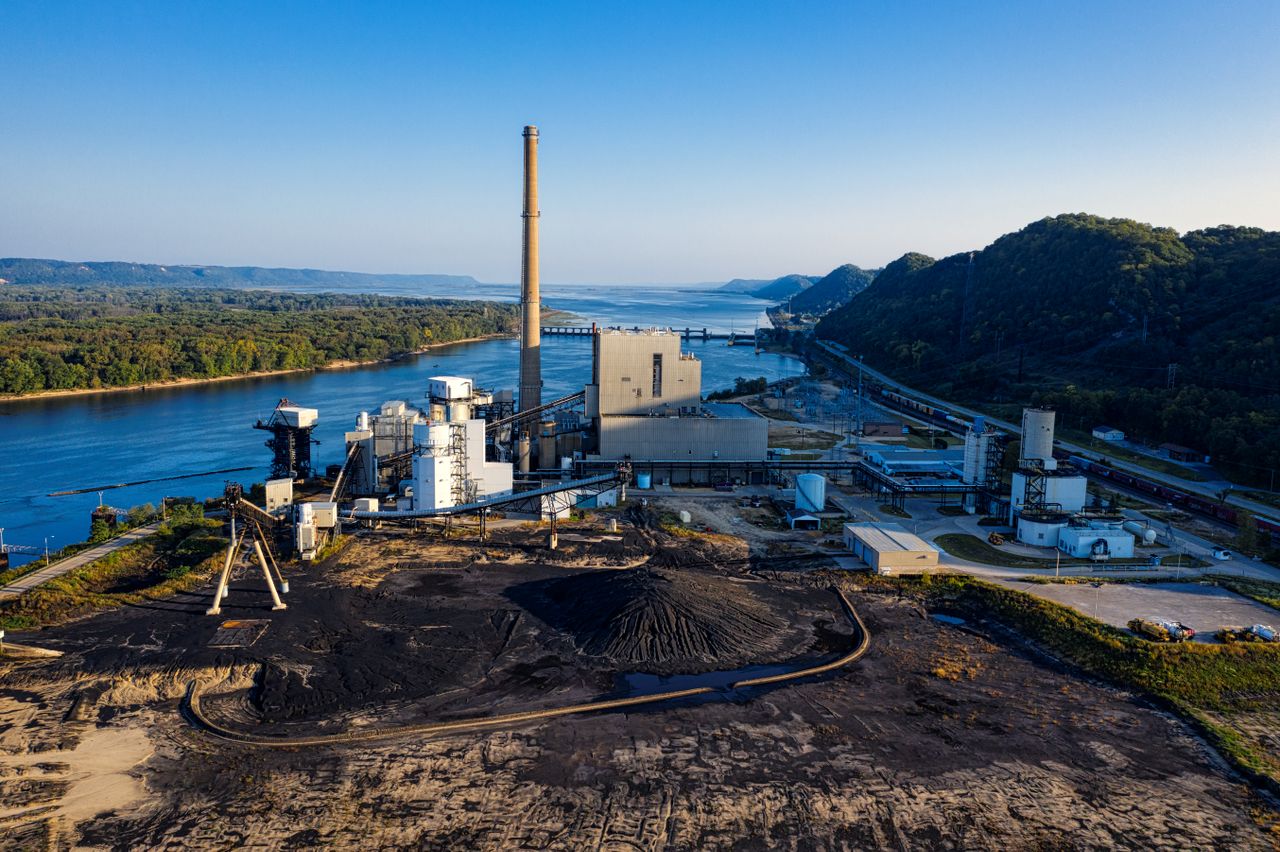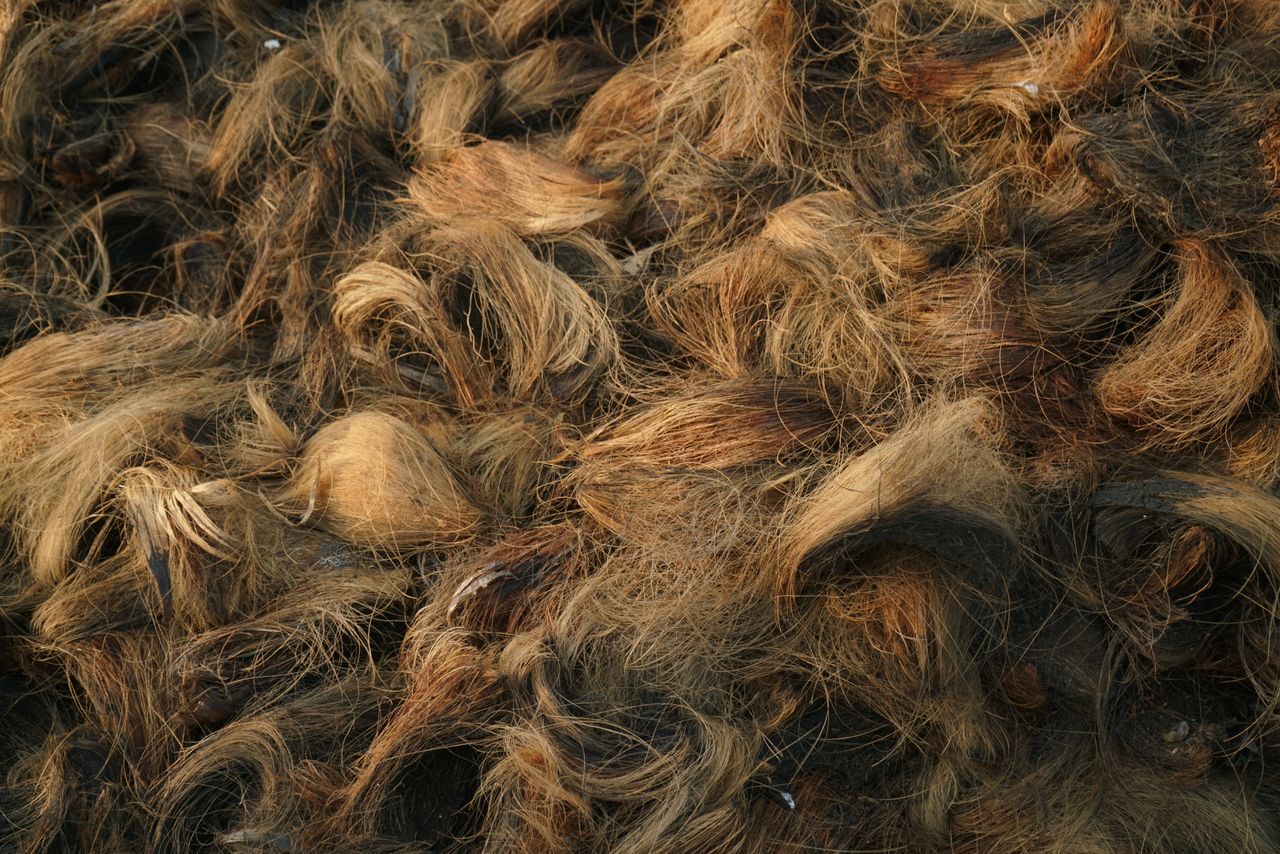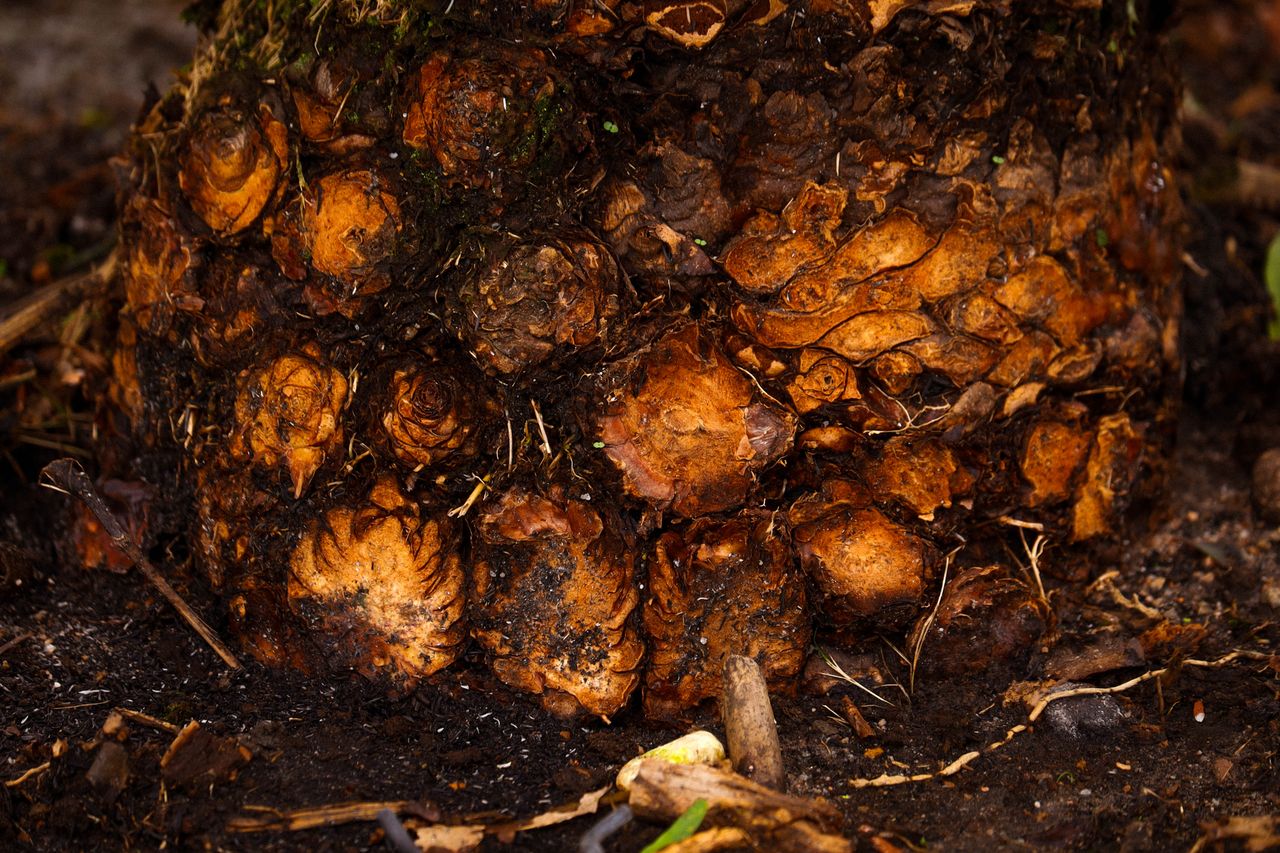
For decades, palm empty fruit bunches sat in mounds outside Southeast Asian mills, treated as the industry’s most inconvenient byproduct. In 2026, that same fibrous residue is being baled, pelletized, and shipped to power plants, composting operations, and biochar facilities across three continents. Understanding why empty fruit bunches (EFB) went from waste to export commodity is essential for any buyer trying to secure reliable, well-documented biomass supply this year.
What Are Palm Empty Fruit Bunches, and Why Do They Matter Now?
Empty fruit bunches are the fibrous stalks left behind after fresh palm fruit is stripped away during crude palm oil extraction. In a typical mill, roughly 70 percent of the fresh fruit bunch processed ends up as waste in the form of EFB, fiber, shells, and liquid effluent, which historically made disposal a genuine operational headache for palm oil producers rather than a revenue opportunity.
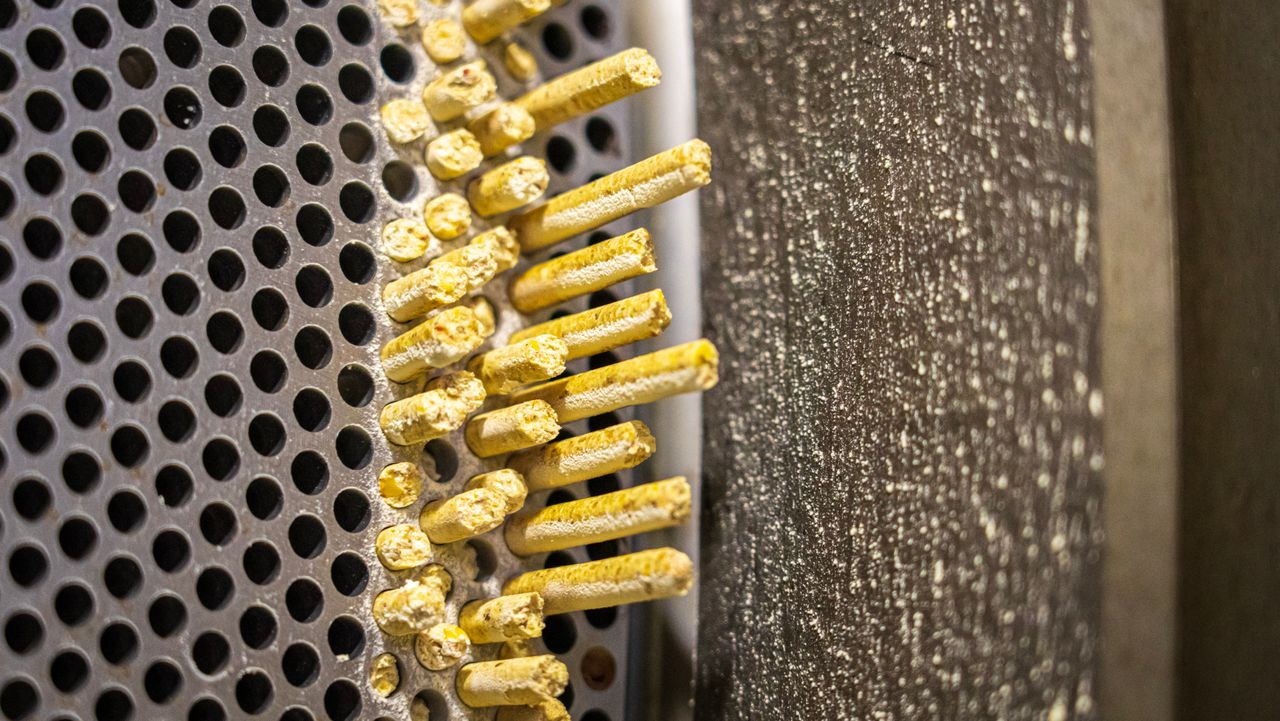
That has changed. EFB is a purely biological material, free of chemical or mineral additives when properly handled at the mill, with a high fiber content and calorific value that makes it well suited to conversion into fuel, compost, and industrial material. Processed EFB pellets commonly reach calorific values above 4,000 kcal/kg with moisture content held under 12 percent, specifications that put them in direct competition with more conventional biomass fuels like wood pellets and palm kernel shells.
Indonesia and Malaysia’s Structural Advantage
Indonesia and Malaysia together process the overwhelming majority of the world’s crude palm oil, and that scale is exactly what makes EFB supply chains viable. Malaysia alone operates more than 400 crude palm oil mills, generating billions of tonnes of palm biomass residue including EFB, kernel shells, and fronds every year. This concentration of raw material near port infrastructure is a major reason Indonesian exporters can offer buyers in Europe, East Asia, and increasingly the Middle East a level of volume consistency that fragmented, single-country alternatives cannot easily match.
Market Growth: What’s Actually Driving EFB Demand in 2026
Industry analysis places the global EFB pellet market on a growth path of roughly 8.7 percent CAGR between 2024 and 2030, pushing the category toward a value of over USD 1.2 billion by the end of the decade. That growth is not happening in a vacuum. Three forces are converging to push EFB from a regional curiosity into a mainstream biomass commodity.
Renewable Energy Policy in Europe and Asia
The European Union’s Renewable Energy Directive, most recently updated through RED III, has tightened carbon intensity and sustainability criteria for solid biomass fuels used in power and heat generation. This has made documented, traceable sourcing a prerequisite for EU-bound biomass imports rather than a nice-to-have, and it has pushed procurement teams to favor suppliers who can demonstrate consistent quality and legal sourcing at scale, exactly the kind of standard structured EFB export programs are built to meet.
Circular Economy and Waste Valorization
Governments and research institutions across Southeast Asia are actively funding new EFB conversion pathways. Indonesia’s National Research and Innovation Agency (BRIN) is currently advancing pyrolysis technology that converts EFB into bio-oil, biochar, and liquid smoke, framing the residue as a genuine input to national energy diversification rather than a disposal problem. This kind of institutional investment tends to precede broader commercial adoption, and it signals that EFB’s addressable market is expanding well beyond simple combustion fuel.
Compost, Mulch, and Agricultural Applications
Beyond energy, EFB is increasingly processed into compost, mulch, and organic fertilizer inputs. Its fibrous structure breaks down steadily and its nutrient content supports soil conditioning applications, giving distributors and agricultural input companies a second, non-energy demand channel that helps smooth out the seasonal fluctuations inherent in palm oil production cycles.
Key Applications Buyers Are Sourcing EFB For
- Biomass power generation. EFB pellets and shredded fiber are used directly in industrial boilers and co-generation units as a coal substitute or supplement, supporting decarbonization targets at power and manufacturing facilities.
- Compost and organic fertilizer production. Processed EFB is blended into compost formulations for commercial and agricultural use, valued for its organic matter content and steady decomposition rate.
- Biochar and soil amendment. Pyrolyzed EFB produces biochar suitable for soil carbon retention programs, an application gaining traction as more countries formalize soil carbon crediting frameworks.
- Fiberboard and industrial materials. EFB fiber is used as a raw material input in composite board and other eco-friendly industrial products, offering manufacturers a renewable alternative to virgin wood fiber.
What to Look for When Sourcing EFB in 2026
Moisture Content and Handling
Moisture content is the single biggest variable affecting EFB usability. Because EFB naturally holds significant water content at the point of extraction, buyers should confirm whether the material has undergone proper drying and baling before shipment, since inconsistent moisture directly affects combustion efficiency and shipping economics. Reputable suppliers provide laboratory documentation confirming moisture percentage, ash content, and calorific value for every batch rather than relying on generic product descriptions.
Supply Chain Seasonality
Palm oil production, and therefore EFB availability, follows seasonal harvest cycles. Buyers building long-term supply contracts should work with exporters who can demonstrate multi-mill sourcing relationships and inventory buffering, rather than single-source arrangements vulnerable to regional harvest fluctuations.
Documentation and Legality Verification
As EU and other regulatory frameworks tighten sustainability requirements for imported biomass, legality verification and chain-of-custody documentation have become non-negotiable for serious buyers. Suppliers who can provide SVLK legality verification, FSC Chain of Custody documentation, and third-party laboratory analysis alongside every shipment significantly reduce the compliance burden on the receiving end.
Sourcing Reliable Palm Empty Fruit Bunches from Indonesia
Tropic World Paradise supplies Palm Empty Fruit Bunches sourced directly from processing operations across Indonesia’s palm oil regions, with full laboratory documentation confirming moisture content, calorific value, and composition on every shipment. For buyers building broader biomass import programs, EFB pairs naturally with complementary products in our catalog, including Palm Kernel Shells (PKS) for higher calorific fuel applications, Palm Husks for additional fiber-based demand, and Biomass Briquettes for buyers seeking a denser, pre-compressed fuel format. Every order ships with ISO 9001:2015 quality certification, SVLK legality verification, and Carbon Footprint Certified documentation, giving procurement teams the paper trail needed to satisfy sustainability audits and customs clearance without delay.
Frequently Asked Questions
- What exactly are palm empty fruit bunches used for? EFB is used as a biomass fuel for power and boiler applications, as a raw material for compost and organic fertilizer, as a feedstock for biochar production, and as fiber input for composite and fiberboard materials.
- Why has EFB demand grown so much in 2026? Tightening renewable energy sustainability standards in Europe, growing government-backed research into EFB conversion technologies in Indonesia, and expanding compost and biochar applications have all pushed EFB from a disposal byproduct toward a genuine export commodity.
- What calorific value should I expect from processed EFB pellets? Well-processed EFB pellets typically reach calorific values above 4,000 kcal/kg with moisture content under 12 percent, making them competitive with other common solid biomass fuels.
- Is EFB supply consistent year-round? Palm oil production follows seasonal harvest patterns, so EFB availability can fluctuate. Working with a supplier that sources from multiple mills and maintains inventory buffering helps smooth out these seasonal variations for buyers with continuous demand.
- What documentation should I request before importing EFB in bulk? At minimum, buyers should request laboratory analysis confirming moisture content, ash content, and calorific value, along with legality verification such as SVLK, and Chain of Custody documentation where sustainability certification is required by the destination market.
Ready to Secure Your EFB Supply for 2026?
Whether you’re sourcing fuel for a biomass power facility, feedstock for a composting operation, or raw material for biochar production, Tropic World Paradise can structure a shipment that matches your specification and delivery schedule. Request an instant quote or explore our full biomass product catalog to compare options before you order.