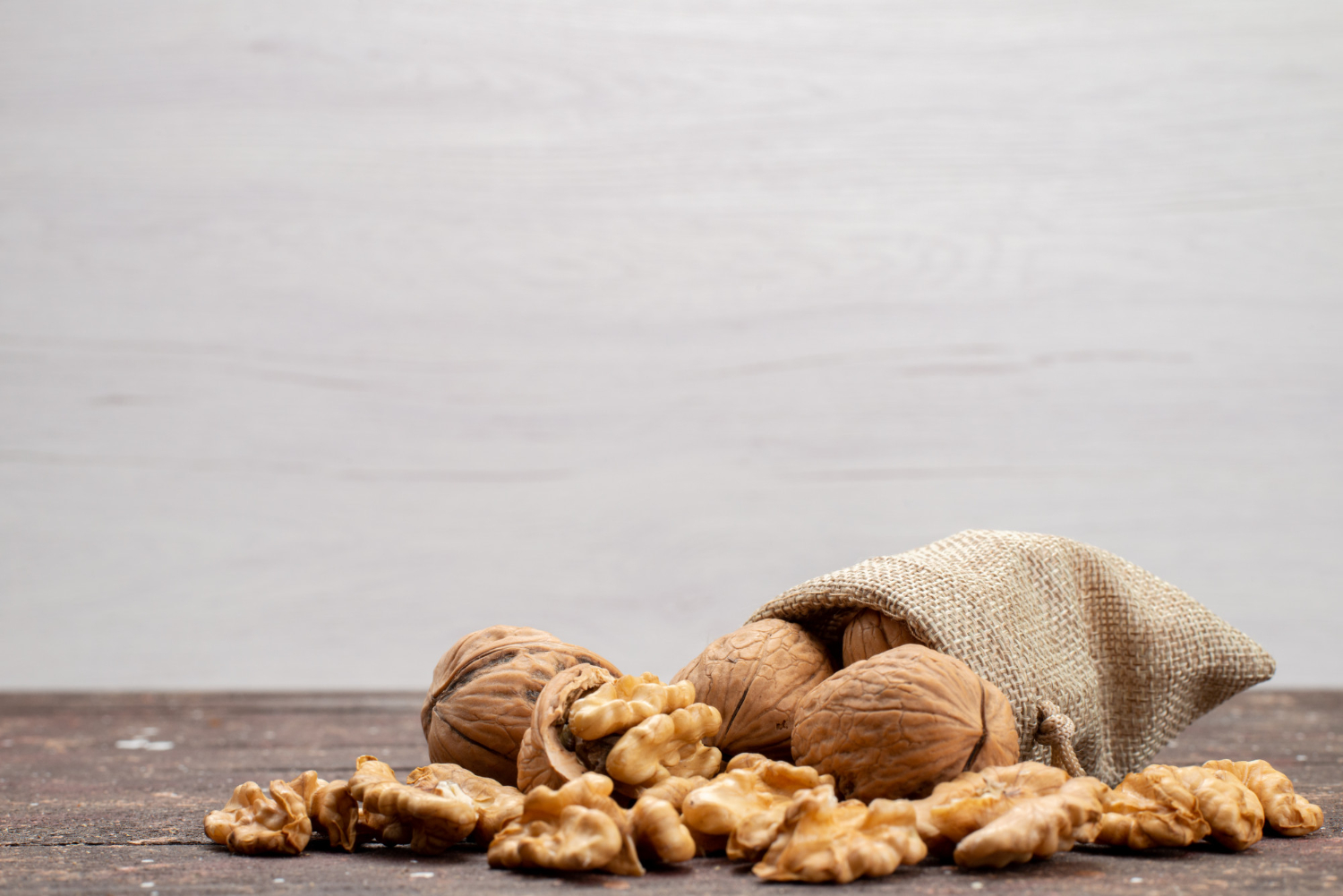
For decades, nut shells were treated as agricultural leftovers, swept aside once the kernel was processed. That view has changed fast. Shells from walnuts, almonds, cashews, and other nuts are now processed into biomass fuel, activated carbon, industrial abrasives, and eco-friendly packaging, turning what used to be waste into one of the more resilient raw materials in the renewable energy and industrial supply chain.
Heading through the rest of 2026, demand for nut shells is climbing steadily, driven by expanding activated carbon production, biomass energy projects, and a broader industrial shift toward sustainable, waste-derived raw materials.
What Are Nut Shells Used For?
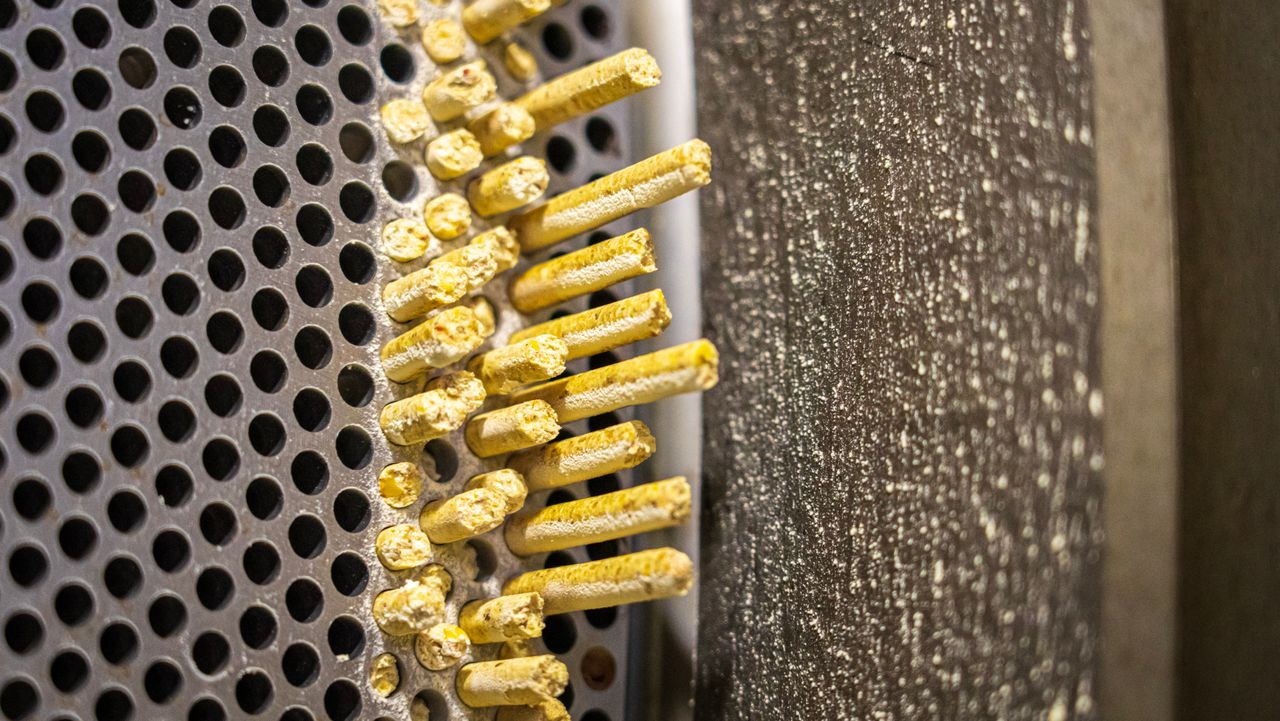
Nut shells are hard, durable, high-calorific agricultural byproducts. Their density and low moisture content make them well suited for combustion in biomass boilers and power plants, while their carbon structure makes them an excellent feedstock for activated carbon production. Beyond energy, nut shells are ground into abrasives for industrial blasting, used as fillers in composite materials, and processed into biodegradable alternatives for plastic packaging.
Why Demand Is Accelerating in 2026
Three forces are pushing this market forward. First, activated carbon manufacturers increasingly favor nut shells over coal-based feedstock because of their eco-friendly profile and strong adsorption performance. Second, biomass power projects across Asia and Europe continue to expand, creating steady demand for high-calorific, low-moisture fuel sources. Third, industries chasing circular economy targets are actively looking for agricultural byproducts, like nut shells, that reduce waste while replacing synthetic or fossil-derived materials.
Market Size and Growth Forecast
Global Market Value in 2026
Activated carbon derived from nut shells represents one of the fastest-growing segments of this market. According to Verified Market Reports, the global nutshell activated carbon market was valued at approximately USD 1.2 billion in 2024 and is projected to reach USD 2.5 billion by 2033, growing at a compound annual growth rate of close to 8.9% from 2026 to 2033. Growth is supported by:
- Expanding biomass energy projects worldwide.
- Rising demand for activated carbon in water and air purification.
- Increased use of nut shells in eco-friendly packaging and industrial abrasives.
Regional Analysis
- Asia-Pacific dominates nut shell production and export volume, with Indonesia, India, and China leading supply thanks to large-scale nut processing industries and established agricultural export infrastructure.
- Europe shows strong, steady demand for renewable fuels and sustainable industrial materials, particularly as manufacturers move away from coal-based carbon sources.
- North America is seeing growing interest in eco-friendly consumer products and biomass energy, with walnut and almond shell byproducts increasingly repurposed for commercial use.
Key Drivers of Market Growth
Renewable Energy Policies
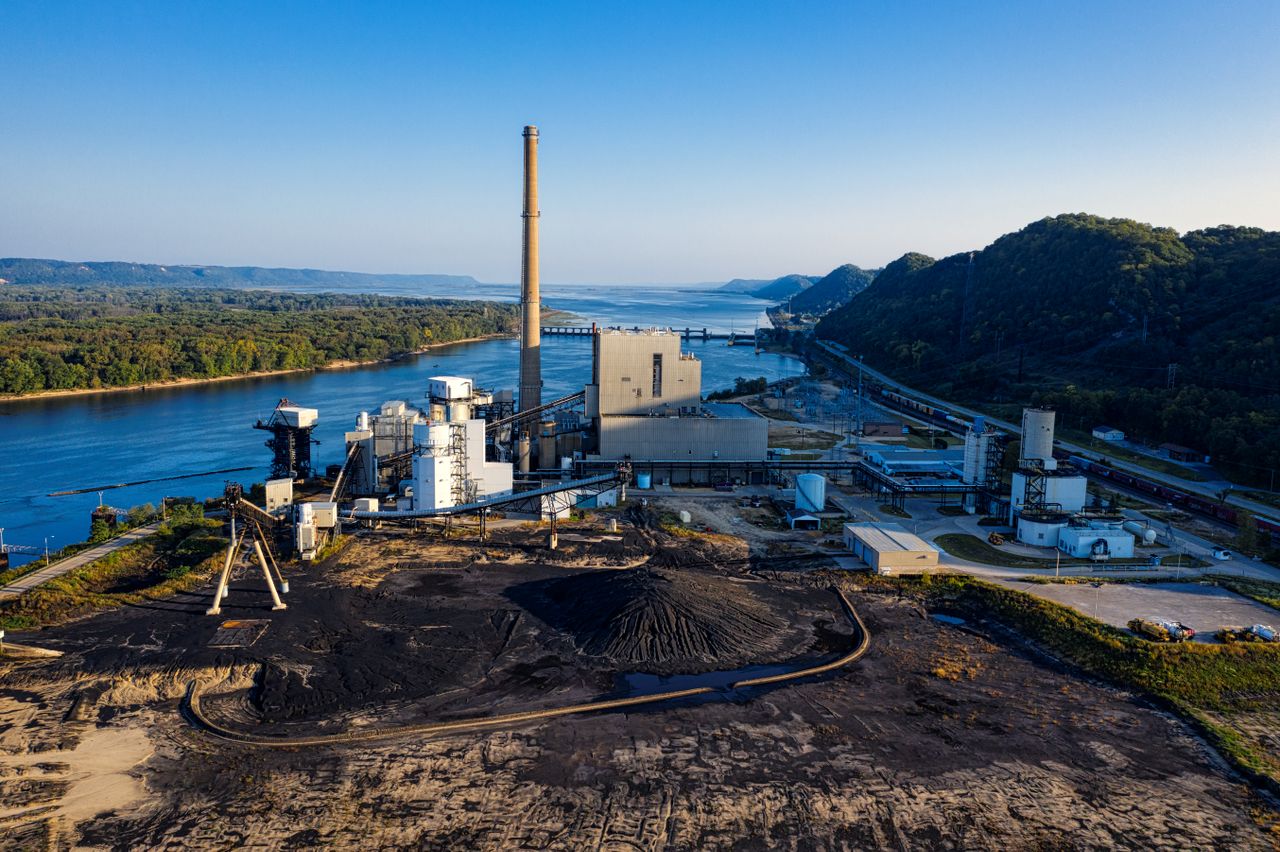
Government incentives for biomass energy continue to boost nut shell demand, particularly in regions where coal-fired boilers are being phased out in favor of agricultural residue-based fuel.
Activated Carbon Industry
Nut shells are widely used in activated carbon production, supporting the water treatment and air purification industries. Academic research published in ACS Sustainable Resource Management has shown that activated carbon derived from almond and walnut shells performs comparably to commercial-grade carbon in contaminant adsorption, reinforcing nut shells as a credible, lower-cost alternative to coconut-based or synthetic carbon sources.
Circular Economy Practices
Repurposing nut shells into fuel, carbon, and industrial materials reduces agricultural waste and supports sustainable farming practices, a model increasingly required by buyers with formal sustainability and traceability commitments.
Challenges Facing the Nut Shells Market
Supply Chain Limitations
Because nut shell availability depends directly on nut harvests, seasonal production cycles can create gaps in supply, especially for buyers relying on a single crop type or single-origin sourcing.
Quality Variability
Moisture content and shell hardness can differ significantly by nut type and origin, affecting combustion efficiency and activated carbon yield. Buyers running continuous industrial processes need consistent specifications to avoid performance issues.
Competition from Alternatives
Other biomass fuels and synthetic abrasives compete with nut shells for the same industrial applications, meaning suppliers must compete on consistency, pricing, and reliability rather than novelty alone.
Opportunities in the Nut Shells Market
Biomass Power Generation
Nut shells are increasingly used in biomass plants to generate clean electricity, offering a high-calorific, low-ash alternative to coal in regions with access to nut processing byproducts.
Export Growth
Indonesia and India are well positioned to expand nut shell exports to Europe and North America as demand for traceable, sustainably sourced biomass and activated carbon feedstock continues to grow.
Eco-Friendly Industrial Applications
Beyond energy, nut shells are used in abrasives, biodegradable packaging, and activated carbon products, giving suppliers multiple end markets to serve from a single, consistent raw material stream.
Nut Shells vs. Coconut Shell Charcoal: Choosing the Right Feedstock
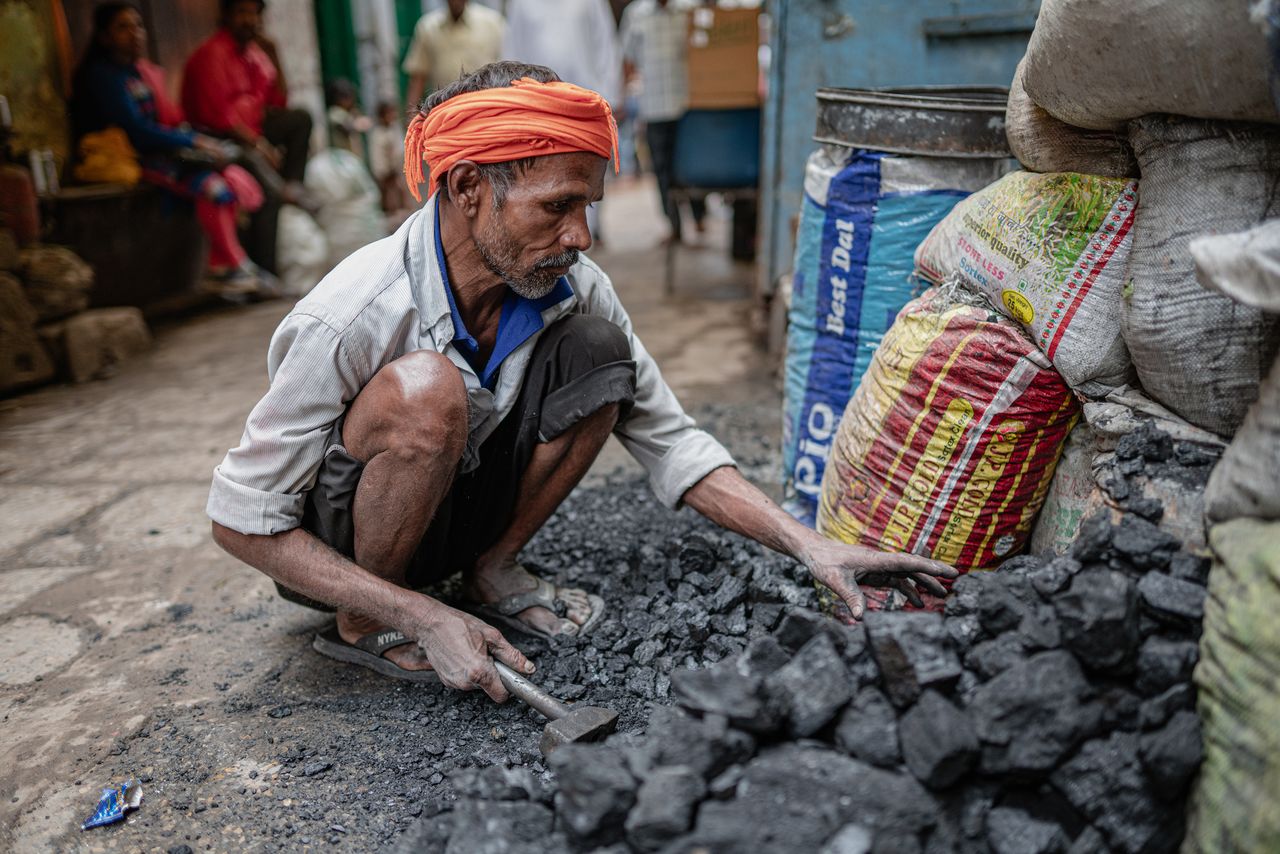
Buyers sourcing carbon feedstock often weigh nut shells against coconut shell charcoal, another widely used activated carbon input. Coconut shells generally produce activated carbon with a finer micropore structure, well suited for smaller molecules like chlorine and volatile organic compounds. Nut shells, particularly walnut and almond varieties, tend to yield larger pore structures better suited for adsorbing bigger contaminants such as pesticides and heavy metals. Many buyers use both, blending feedstocks to match the specific contaminant profile they need to treat, which makes reliable, consistent supply of each material equally important.
Sourcing Export-Grade Nut Shells from Tropic World Paradise
PT Tropic World Paradise supplies durable, high-calorific nut shells suited to biomass fuel and activated carbon production, backed by consistent quality and reliable export volumes. As part of a wider portfolio of biomass products sourced from Indonesia’s agricultural and forestry residues, the company supports industrial buyers across Asia, Europe, and the Middle East with dependable supply and full traceability. Buyers can review the company’s approach to sustainability and certifications, or explore how nut shells fit into broader market applications before placing an order.
Frequently Asked Questions
What are nut shells used for? Nut shells are repurposed for biomass energy, activated carbon production, industrial abrasives, eco-friendly packaging, and agricultural applications.
Why are nut shells important in 2026? They provide renewable energy, reduce agricultural waste, and support sustainable industrial practices, particularly in activated carbon and biomass power generation.
Which regions lead the nut shells market? Asia-Pacific dominates production, led by Indonesia, India, and China, while Europe and North America drive demand for sustainable industrial materials.
What challenges does the nut shells market face? Supply chain fluctuations tied to harvest cycles, quality variability between nut types, and competition from alternative biomass fuels and synthetic abrasives.
How does PT Tropic World Paradise contribute? By producing and exporting high-quality, export-grade nut shells, supporting Indonesia’s renewable energy transition and global biomass trade.
Ready to Secure a Reliable Supply of Nut Shells?
Whether you need nut shells for biomass fuel, activated carbon production, or industrial applications, Tropic World Paradise offers consistent quality and dependable global supply. Request a Quote or Contact Our Team to discuss your requirements today.