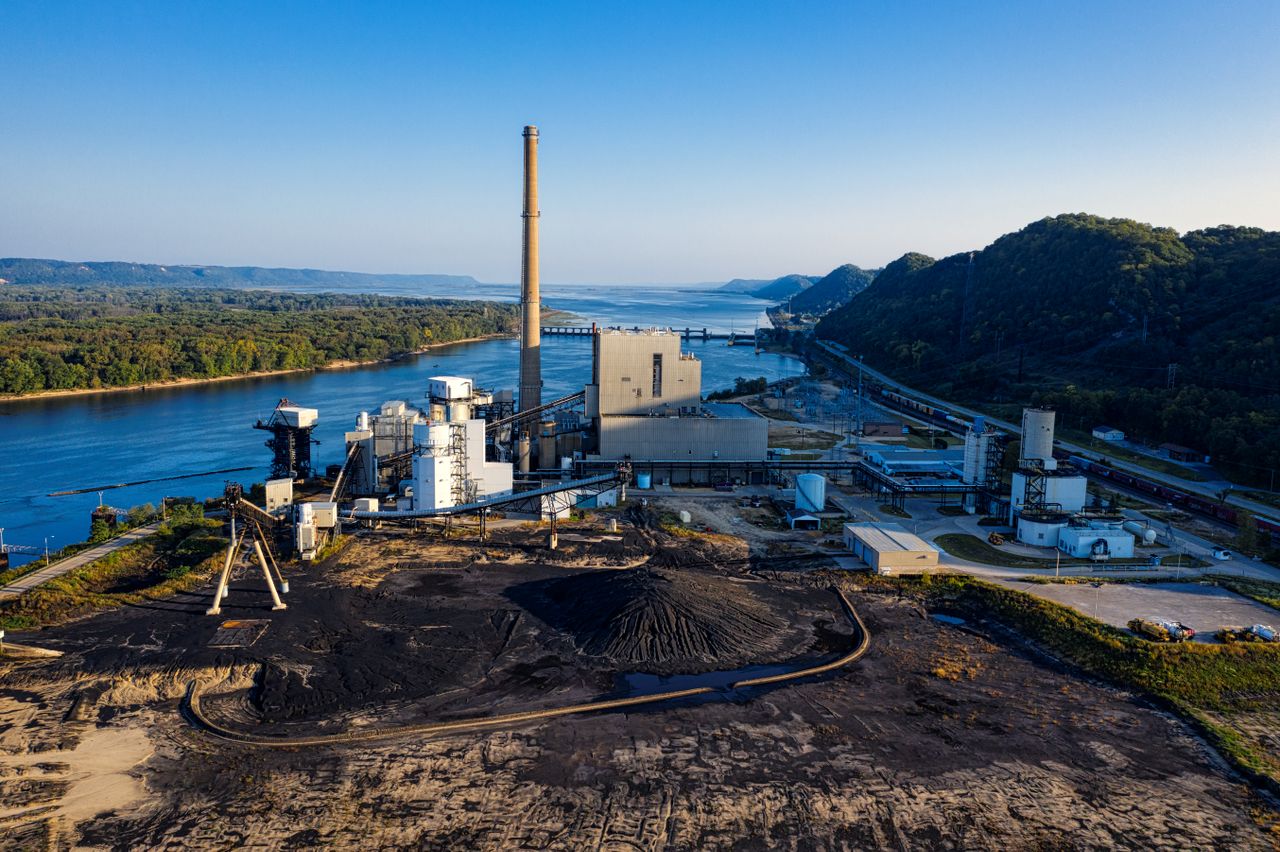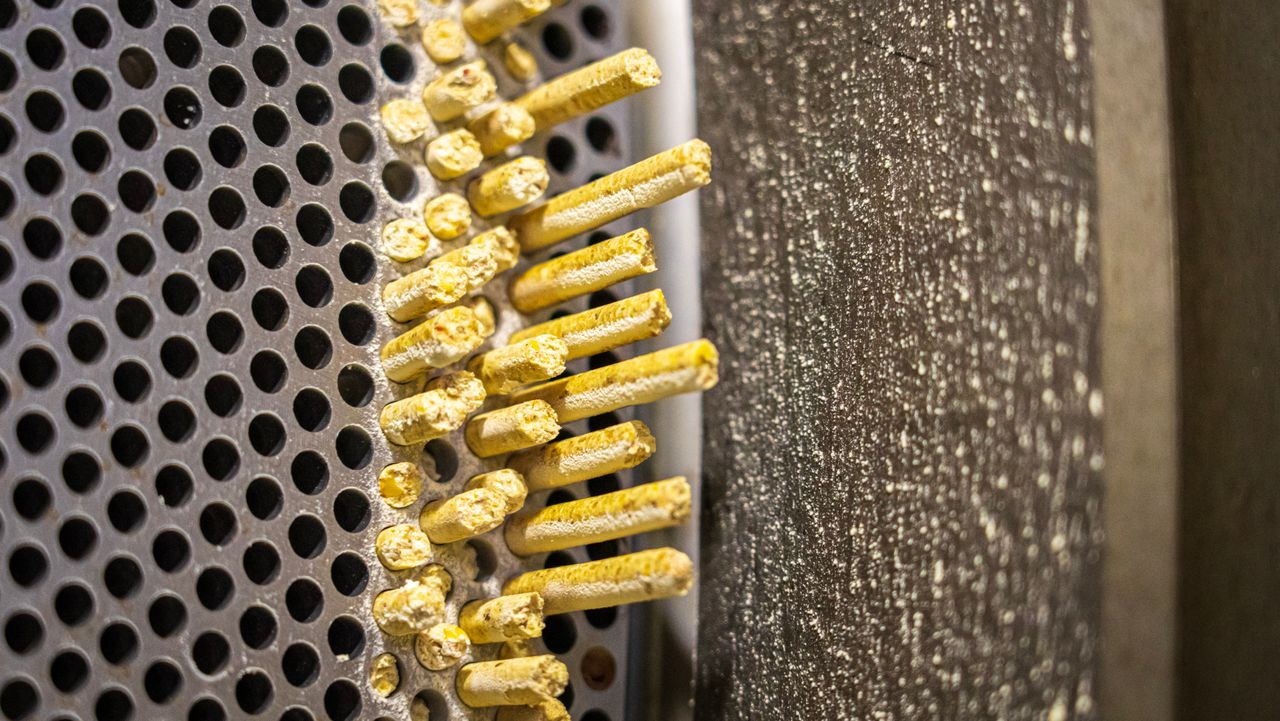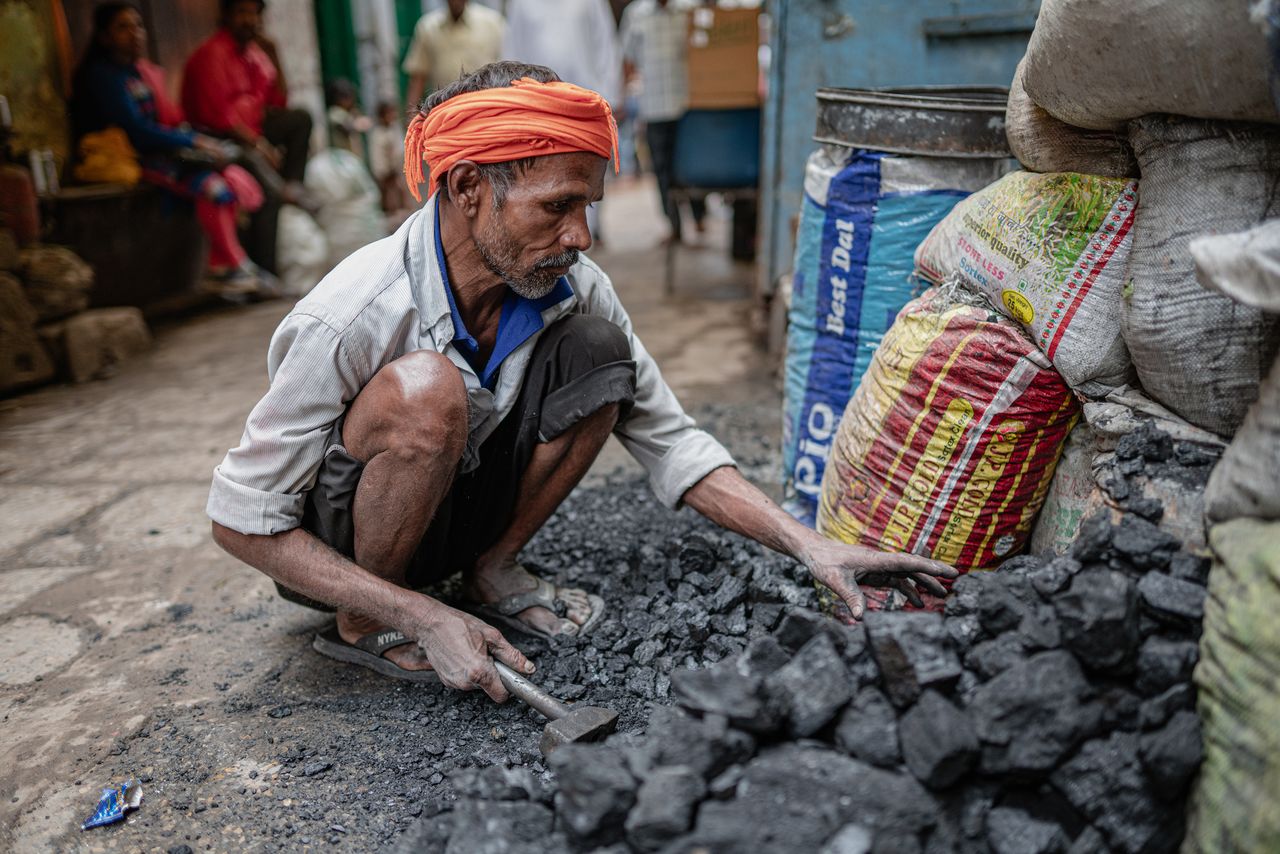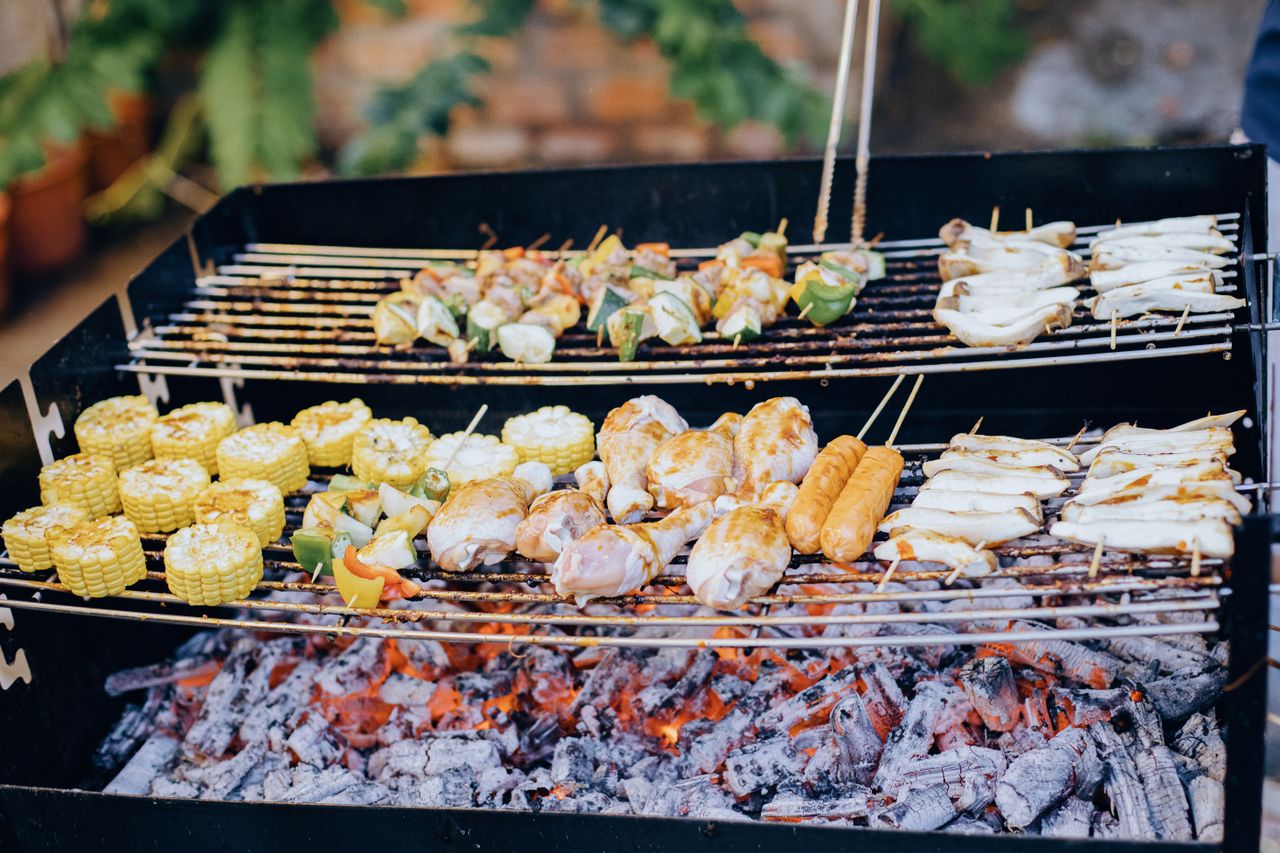
South Korea’s grilling culture is arguably the most consistent driver of charcoal demand anywhere in the world. Samgyeopsal and galbi restaurants operate on live-fire charcoal grilling as a core part of the dining experience, not an occasional feature, and that steady, high-volume demand has made South Korea one of the most reliable long-term markets for charcoal exporters across Southeast Asia. Vietnam has traditionally held the largest share of this trade, prized for consistent hardwood charcoal supply and competitive pricing, but Indonesia has been steadily building a stronger position in the same market driven by its own hardwood and coconut shell production capacity, improving export infrastructure, and growing certification standards that Korean importers increasingly require. This article covers what’s actually driving Korean demand, where Indonesia fits into the supply picture, and what buyers need to know about sourcing charcoal reliably in 2026.
Korean BBQ Culture: A Demand Driver That Doesn’t Slow Down
Unlike many charcoal markets that see seasonal spikes tied to summer grilling or holiday entertaining, South Korea’s demand is structurally different it’s tied to a restaurant format that operates year-round. Tabletop charcoal grilling is embedded in Korean dining culture across price points, from casual neighborhood barbecue restaurants to premium dining establishments, which means importers and distributors are managing recurring, high-frequency procurement rather than seasonal spot buying. This is one of the reasons South Korea’s BBQ restaurant culture remains one of the most consistent drivers of global charcoal import demand, alongside Japan’s yakitori tradition and the Middle East’s hospitality-driven charcoal consumption.
Within this demand, two distinct product categories matter to Korean buyers. The first is standard hardwood lump charcoal and coconut shell charcoal briquettes, used across the broad casual and mid-tier BBQ restaurant segment where volume, consistency, and price matter most. The second is premium binchotan-style white charcoal, which has grown in popularity across South Korea’s high-end BBQ and fine dining scene, valued for the same qualities that made it a staple of Japanese culinary tradition clean burn, minimal smoke, and precise heat control.
Where Indonesia Fits in South Korea’s Charcoal Supply Chain
South Korea’s major charcoal import partners currently include Vietnam, Indonesia, Malaysia, and China, with Vietnam holding a leading position built on years of established hardwood charcoal supply relationships. Indonesia’s growing share in this market rests on a combination of raw material advantages access to sustainably managed hardwood forests in Sumatra and Kalimantan alongside abundant coconut shell processing residue and a maturing export ecosystem that increasingly matches the certification and documentation standards Korean importers expect.
Hardwood BBQ Charcoal from Sumatra and Kalimantan
Indonesian BBQ charcoal produced from hardwoods such as acacia and teak is typically graded into categories like large, uniform Grade A pieces suited to premium and commercial-scale grilling, and smaller, mixed-size Grade B material suited to cost-conscious bulk buyers. This grading structure gives Korean distributors flexibility to source material matched to different segments of the restaurant market from a single origin country, rather than splitting procurement across multiple suppliers.
Coconut Shell Charcoal and Briquettes
Coconut shell charcoal, produced from a widely available agricultural by-product across Indonesia, offers Korean buyers a cost-efficient, consistent-burning alternative to hardwood lump charcoal, particularly for briquette formats used in casual and volume-driven BBQ segments. Because it’s derived from an agricultural residue rather than harvested timber, it also tends to carry a more straightforward sustainability story for buyers increasingly asked to document their supply chain’s environmental credentials.
Certification and Compliance: What Korean Importers Expect
Korean importers increasingly expect documentation that goes beyond a basic quality certificate. Common requirements include SGS testing verification, Material Safety Data Sheets (MSDS), and for products entering food service and hospitality supply chains Halal certification, alongside general sustainability documentation confirming material is sourced from certified or sustainably managed forests. Buyers evaluating a new Indonesian supplier relationship should treat this documentation as a baseline expectation rather than a value-added extra, since Korean distributors are typically passing these assurances along to restaurant clients who are themselves increasingly asked about sourcing transparency by their own customers.
A 2026 Shipping Update That Affects Every Charcoal Buyer
Buyers sourcing charcoal from Indonesia for any Asian market, South Korea included, should be aware of a regulatory change that reshaped ocean freight for this product category in 2026. Charcoal is classified as a dangerous good for maritime transport because its micro-porous structure can absorb atmospheric oxygen and generate heat through oxidation in confined spaces a real risk inside a sealed shipping container on a long ocean voyage. A previous test-based exemption that allowed some charcoal shipments to move as general cargo was eliminated under IMDG Amendment 42-24, effective January 1, 2026, meaning charcoal shipments now require dangerous-goods-rated ocean freight handling as standard practice across the region, not as an exception. Buyers working with suppliers who haven’t already adjusted their shipping documentation and freight arrangements to reflect this change risk delays or compliance issues at the port.
Choosing a Reliable Charcoal Supplier for the Korean Market
For importers and distributors evaluating Indonesian charcoal suppliers for the South Korean market, the fundamentals worth checking are consistent: documented grading (whether hardwood Grade A/B classifications or briquette specifications), sustainability and legality certification, third-party lab testing where available, and confirmation that the supplier’s export process already accounts for current dangerous goods shipping requirements. A trial order, supported by transparent specification and shipping documentation, remains the most reliable way to validate a new supplier before committing to a recurring, high-volume contract suited to Korea’s steady BBQ restaurant demand.
Buyers exploring this category can review our coconut shell charcoal product line for specification details relevant to briquette and filtration-grade applications.
Frequently Asked Questions
- Why does South Korea import so much charcoal? South Korea’s BBQ restaurant culture centered on tabletop grilling formats like samgyeopsal and galbi operates year-round rather than seasonally, creating consistent, high-volume demand that outpaces domestic charcoal production capacity.
- Is Indonesia the largest charcoal supplier to South Korea? Vietnam currently holds a leading position in South Korea’s charcoal import market, but Indonesia has been steadily growing its share, supported by hardwood and coconut shell production capacity and improving certification standards.
- What is the difference between Grade A and Grade B Indonesian BBQ charcoal? Grade A typically refers to large, uniform charcoal pieces suited to premium and commercial-scale grilling, while Grade B consists of smaller, mixed-size pieces suited to cost-conscious bulk buyers and residential use.
- What certifications do Korean importers typically expect? Common requirements include SGS testing verification, Material Safety Data Sheets (MSDS), Halal certification for food service supply chains, and documentation confirming sustainable or certified forest sourcing.
- Has shipping charcoal to South Korea changed recently? Yes. As of January 1, 2026, IMDG Amendment 42-24 removed a previous test-based exemption, meaning most charcoal shipments across the region now require dangerous-goods-rated ocean freight handling as standard practice.
Ready to Source Certified Charcoal for the South Korean Market?
Whether you’re supplying BBQ restaurant distributors or sourcing briquette-grade material for volume buyers, our team can walk you through grading, certification, and current DG-compliant shipping options for South Korea.