A coconut husk supplier in Indonesia operates in a market where the real value rarely sits in the raw husk itself; it sits in what that husk becomes downstream: coir fiber for geotextiles and matting, and coco peat for horticulture and hydroponic substrate. Understanding that distinction, along with an honest picture of where Indonesia actually ranks against other coconut-producing nations, is essential for any buyer evaluating this category. This guide covers the real structure of global coconut husk and coir demand, where the processed value actually accumulates, and what buyers should realistically expect when sourcing from Indonesia.
Who Actually Leads Global Coconut Husk and Coir Production
It’s worth being precise here, since assuming Indonesia dominates this market would misrepresent the real trade landscape. India is, by a clear margin, the world’s largest producer and exporter of coco peat and coir products a position built on decades of established processing infrastructure. Trade data confirms India as the world’s largest exporter of coco peat, a vital organic growing medium derived from coconut husk fiber, with India and Sri Lanka together recognized as the globally established centers for coir yarn, mats, geotextiles, and coco peat production.
Indonesia, alongside the Philippines, Vietnam, and Thailand, plays a genuinely important but secondary role in this landscape contributing substantial raw coconut feedstock availability and growing downstream processing potential, rather than leading the finished coir and coco peat trade the way India does. That said, Indonesia’s coco peat export industry is expanding, with the country increasingly recognized as a growing supplier of quality coco peat serving international horticulture and floriculture markets, even if it isn’t yet the volume leader.
From Raw Husk to Coir and Coco Peat: Where the Real Value Is
Coco Peat for Horticulture and Hydroponics
Coco peat also known as coir pith or coir dust is the fibrous material extracted from coconut husk during processing, and it has become genuinely important as a sustainable, peat-alternative growing medium. Its high water retention, aeration properties, and resistance to pests make it valuable across commercial horticulture, greenhouse operations, and hydroponic systems, particularly as growers move away from traditional soil-based cultivation and non-renewable peat moss. Industry research notes that a rising share of horticulture and nursery buyers now rate moisture retention and biodegradability as key purchasing factors, directly benefiting coco peat’s position against legacy substrate materials.
Coir Fiber for Geotextiles, Mats, and Erosion Control
Beyond horticultural substrate, the fiber extracted from coconut husk during decortication serves a distinct set of applications geotextiles for erosion control, matting, brushes, bedding, and even automotive components. This fiber segment tends to be more processing-intensive and technically established in India and Sri Lanka specifically, where large-scale fiber extraction clusters and skilled labor have built up over decades, giving these origins a genuine head start in finished coir products even where Southeast Asian countries supply comparable raw feedstock.
The Logistics Challenge: Why Freight Eats Into Margins
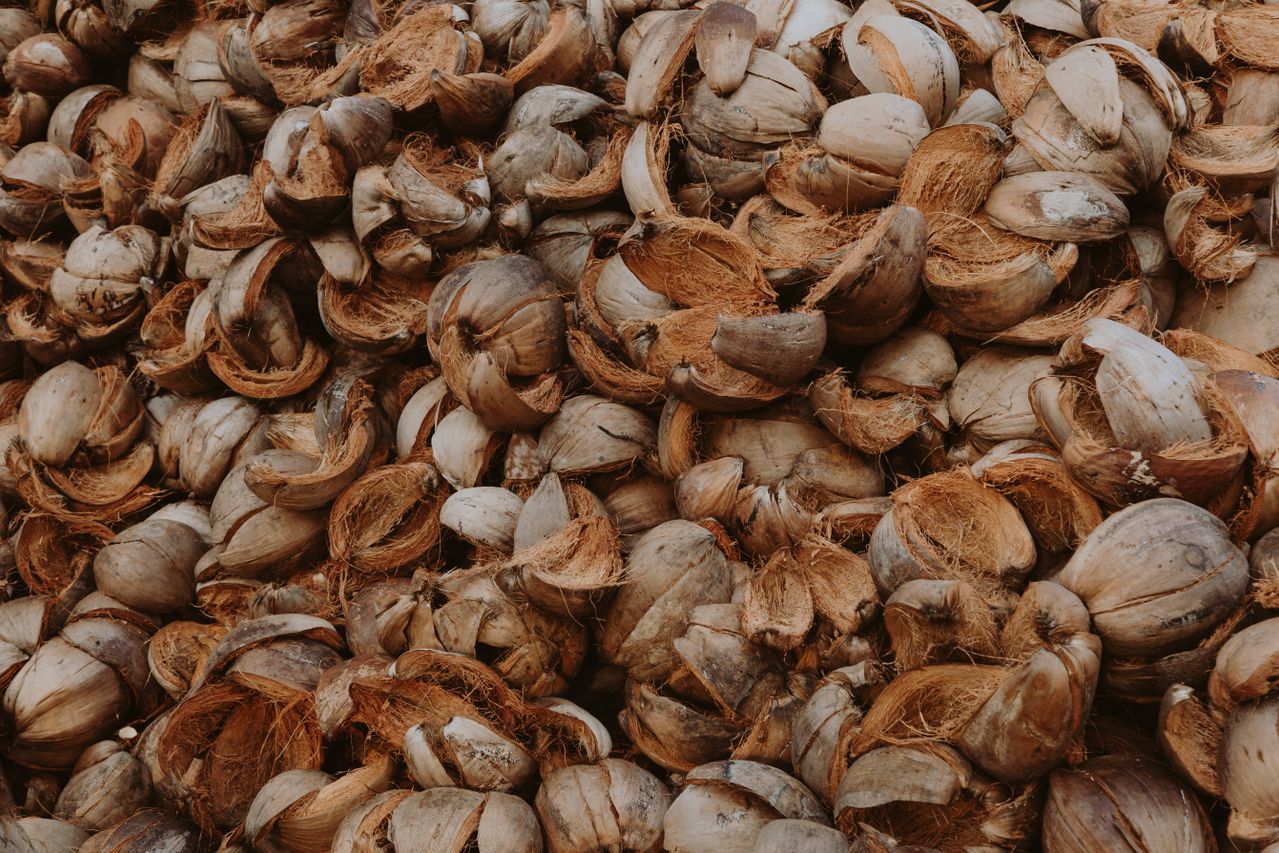
Raw coconut husk shares a structural challenge with several other agricultural biomass residues: it’s bulky and low in value density relative to its shipping volume, which makes freight cost a disproportionately large share of landed cost for exporters. Industry analysis on the coco coir market found that transport and freight accounted for roughly 22% of landed cost for many exporters in a recent tracked year, with internal logistics hauling material from rural coconut farms to processing facilities adding a further 12–16% of production cost on top of that. Diesel price volatility compounded this further, pushing logistics costs up roughly 9% in a recent comparison period.
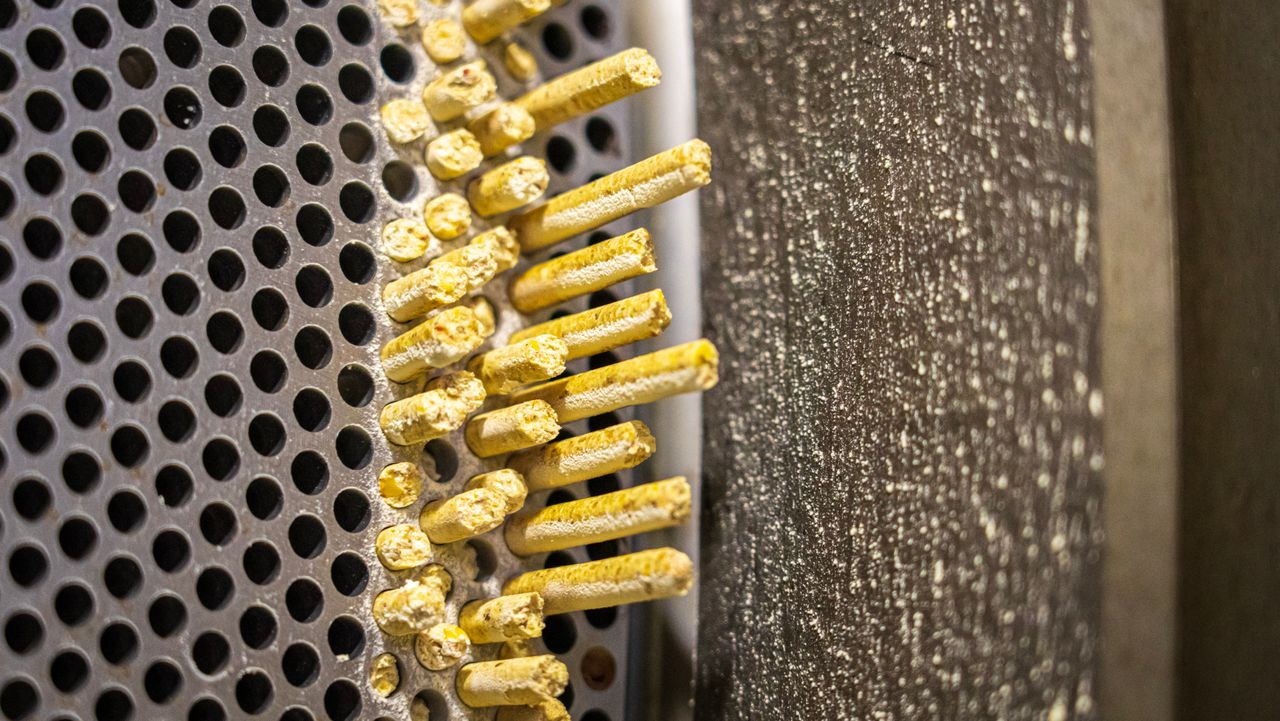
This is precisely why the real commercial opportunity in coconut husk sourcing lies overwhelmingly in processed products coco peat blocks, briquettes, and compressed coir formats that dramatically improve shipping density compared to raw, loose husk fiber rather than treating raw husk itself as an efficiently exportable bulk commodity.
Indonesia’s Growing Role as a Secondary Coconut Husk Supplier
Indonesia’s position in this market is best understood as a genuinely growing, but currently secondary, coconut husk and coco peat origin one supported by substantial raw coconut feedstock availability across the archipelago, but still building the scale of dedicated processing infrastructure that has made India and Sri Lanka the established leaders in finished coir products. For buyers, this actually creates a specific kind of opportunity: sourcing relationships built around Indonesia’s growing coco peat processing capacity, particularly for buyers in Asia-Pacific markets where shipping distance from Indonesia offers a genuine logistics advantage over sourcing from South Asia.
What to Look for in a Coconut Husk or Coco Peat Supplier
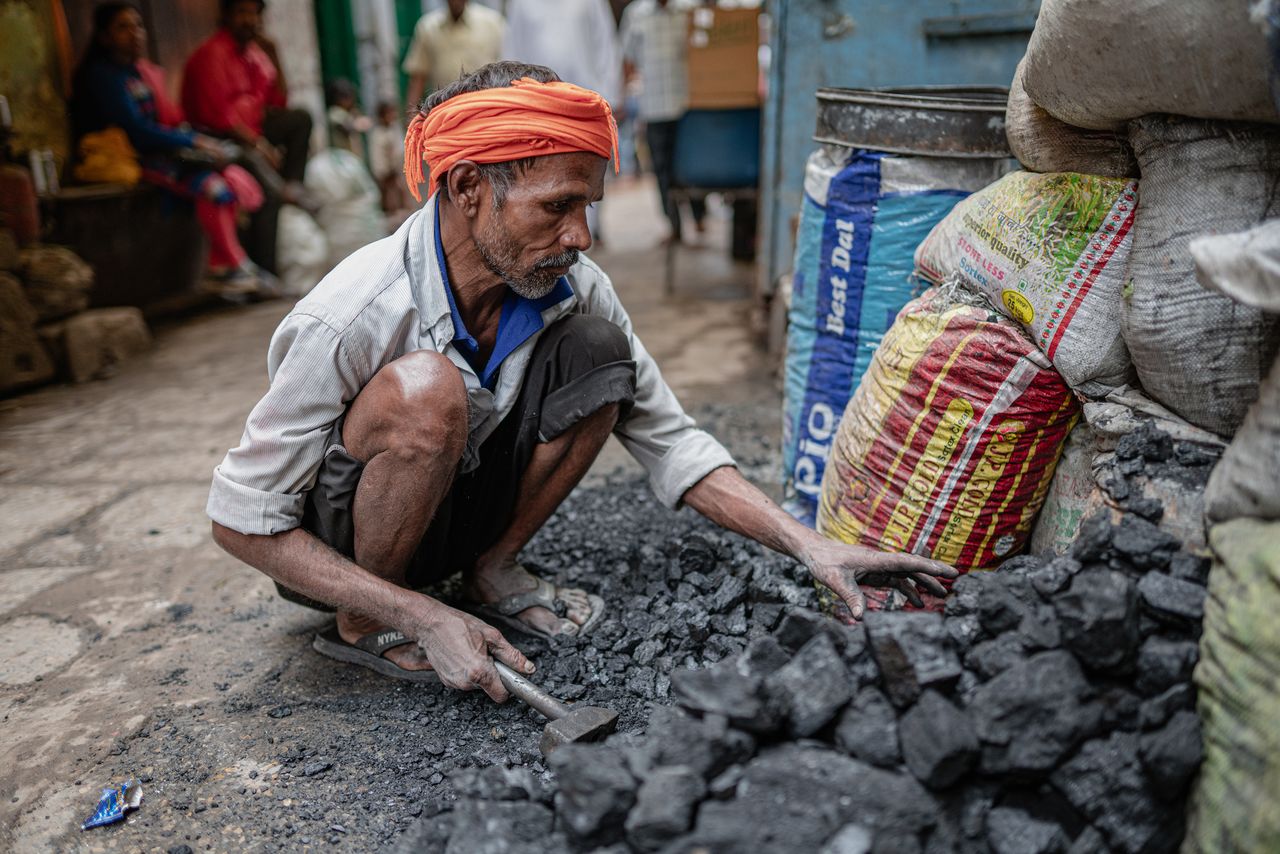
Given how directly processing quality and logistics efficiency determine landed cost in this category, buyers should confirm a supplier’s compression ratio and packaging format for coco peat (blocks versus loose material meaningfully affect container efficiency), documented salinity and pH levels for horticultural applications, and moisture content consistency across batches. Buyers exploring this category can review our coconut husks charcoal product line, which draws on the same coconut processing base as husk and coir products, for a related application already established in our export program.
Frequently Asked Questions
- Does Indonesia lead the global coconut husk and coir market? No. India is the world’s largest exporter of coco peat and, together with Sri Lanka, remains the globally recognized center for coir yarn, mats, and geotextile products. Indonesia plays a growing but currently secondary role in this market.
- What is coco peat used for? Coco peat, also known as coir pith, is used as a sustainable growing medium in horticulture, greenhouse cultivation, and hydroponic systems, valued for its high water retention, aeration, and biodegradability compared to traditional peat moss.
- Why is raw coconut husk expensive to ship internationally? Raw coconut husk is bulky relative to its value, and freight typically accounts for a significant share of landed cost around 22% in recent industry analysis which is why processed, compressed formats like coco peat blocks are generally more commercially viable to export than loose raw husk.
- What is the difference between coir fiber and coco peat? Coir fiber is the stronger fibrous strand extracted from coconut husk, used in geotextiles, mats, and brushes, while coco peat (or coir pith) is the finer, spongy material left after fiber extraction, primarily used as a horticultural growing medium.
- Is Indonesian coco peat a viable alternative to Indian coco peat? Yes, particularly for buyers in Asia-Pacific markets where shipping distance from Indonesia offers a logistics advantage, though buyers should confirm processing quality, compression format, and consistency, since Indonesia’s processing infrastructure is still scaling relative to established Indian and Sri Lankan producers.
Ready to Source Coconut Husk-Derived Products from Indonesia?
Whether you need coco peat for horticultural substrate or coconut processing byproducts for industrial use, our team can walk you through specification, packaging format, and shipping options.
Explore Our Coconut Husk Charcoal Product Page → Contact Our Export Team →