Dubai closed 2025 with more than two million international visitors in a single month for the first time in its history, and hotel occupancy across the emirate topped 80 percent for the year. Behind those headline tourism numbers sits a quieter but equally important supply chain question: where is all the charcoal fueling that hospitality boom actually coming from, and which buyers are positioned to source it reliably at scale in 2026? For procurement teams supplying hotels, restaurants, and shisha lounges across the UAE, the answer increasingly points toward one product category: premium Indonesian coconut shell charcoal.
Why UAE Hospitality Demand for Charcoal Keeps Climbing
Record Tourism Is Translating Directly Into Charcoal Volume
According to Gulf News, Dubai welcomed 19.59 million international overnight visitors in 2025, marking a 5 percent year-on-year increase and extending the emirate’s record-breaking tourism run into a third consecutive year. Average hotel occupancy reached 80.7 percent, up from 78.2 percent the year before, supported by a total hotel inventory of more than 154,000 rooms across 827 establishments. That scale of hospitality infrastructure runs on a constant, dependable supply of consumables, and charcoal sits near the top of that list for any property running grill stations, outdoor dining, or shisha service.
This growth isn’t a short-term spike tied to a single event calendar. Dubai’s Department of Economy and Tourism has outlined continued expansion plans built around new hotel openings and expanded airline route networks, meaning the underlying demand driver for hospitality consumables, charcoal included, is structural rather than seasonal.
Two Distinct Demand Categories Under One Umbrella
UAE charcoal demand actually splits into two related but operationally distinct markets, and buyers who understand this distinction source more effectively than those treating “charcoal” as a single undifferentiated commodity.
BBQ and grilling charcoal serves restaurants, beach resorts, and fine-dining establishments across Dubai and Abu Dhabi, where consistent heat output and manageable ash production matter most for kitchen operations running continuous grill service during peak hours.
Shisha charcoal serves a separate but equally significant market. The UAE is home to thousands of operating hookah lounges, and shisha charcoal has distinct performance requirements from BBQ charcoal: low smoke and odor output, a long, stable burn suited to extended lounge sessions, and freedom from chemical accelerants that would affect the taste of the tobacco or herbal molasses being smoked. These two categories often draw on the same raw material, coconut shell, but are processed and shaped differently, cube or briquette format for shisha, lump or briquette for BBQ, and buyers sourcing for both applications should specify accordingly rather than assuming one product serves both use cases equally well.
Why Coconut Shell Charcoal Has Become the UAE’s Preferred Standard
The Performance Case for Coconut Shell
Coconut shell charcoal has earned its position as the preferred material for both premium BBQ and shisha applications in the UAE market because of properties that are difficult to replicate with wood-based alternatives: low ash content, long and stable burn time, minimal smoke output, and a naturally clean profile without synthetic accelerants. For hospitality operators running back-to-back service across a full evening, whether that’s a grill station during dinner service or a shisha lounge staying open past midnight, these properties translate directly into fewer mid-service charcoal changes and more consistent guest experience.
Indonesia’s Position as the Gold Standard Supply Origin
Indonesia has established itself as the leading global source of coconut-based charcoal, and industry trade analysis consistently identifies Indonesian coconut charcoal as the reference standard specifically for the shisha segment. According to a supplier market overview from BBQ on Charcoal, while lower-cost Chinese hardwood lump and machine-made briquettes have made inroads into the UAE’s general BBQ charcoal segment, competing largely on price rather than premium positioning, Indonesian coconut charcoal remains the gold standard specifically for shisha, since Chinese manufacturers have mainly offered machine-made alternatives positioned on value rather than the dense, low-ash coconut cubes that premium lounges specify.
This distinction matters for buyers making sourcing decisions: if your operation is purely cost-driven BBQ retail charcoal, alternative origins may be worth evaluating on price. But for any hospitality operation where shisha service or premium grill presentation is part of the guest experience, coconut shell charcoal sourced from an established Indonesian supply chain remains the safer specification, both for consistent performance and for meeting the quality expectations UAE’s competitive hospitality market has trained guests to notice.
Understanding Dubai’s Role as a Regional Charcoal Gateway
Jebel Ali Port and the Re-Export Opportunity
The UAE’s importance to charcoal buyers extends beyond its own domestic hospitality consumption. Jebel Ali Port functions as the Middle East’s largest port and a major regional trade and logistics gateway, and trade estimates suggest that a substantial share, often cited around 30 to 40 percent, of charcoal entering the UAE is re-exported onward to destinations including Saudi Arabia, Egypt, and various African markets. For distributors and trading companies based in the UAE, this means a well-structured charcoal import relationship isn’t just about supplying Dubai and Abu Dhabi’s own hospitality sector, it’s a genuine platform for serving buyers across the wider Gulf and East Africa region from a single, efficient logistics hub.
This re-export dynamic is worth understanding even for buyers focused purely on domestic UAE hospitality supply, since it means UAE-based distributors are often managing significantly larger import volumes than their local retail and hospitality footprint alone would suggest, and are correspondingly positioned to negotiate better terms with suppliers who can support that scale.
What Hospitality Buyers Should Evaluate Before Committing to a Charcoal Supplier
Burn Time and Ash Content Specifications
Premium coconut shell charcoal for hospitality use should deliver a long, stable burn, commonly cited in the range of 70 to 120 minutes per load depending on product format, with low ash residue that doesn’t require frequent mid-service maintenance. Buyers should request laboratory documentation confirming ash content and burn duration rather than relying on general marketing claims, since inconsistent burn performance during peak service hours creates real operational disruption for hospitality venues.
Odor and Smoke Profile for Shisha Applications
For shisha-specific sourcing, odorless, low-smoke performance is non-negotiable, since any charcoal odor or chemical residue directly affects the flavor profile guests are paying a premium to experience. Buyers should confirm the charcoal is produced without chemical accelerants or synthetic binding agents, and request sample batches for direct burn testing before committing to bulk volumes, since this is one specification that’s genuinely difficult to verify from a data sheet alone.
Format Consistency for High-Volume Operations
Whether sourcing cube, briquette, or lump format, consistency in size and density matters enormously for high-volume hospitality operations, since uneven sizing leads to uneven burn rates across a grill station or lounge service, undermining the very consistency premium coconut charcoal is meant to deliver. Buyers should request uniform sizing specifications and confirm quality control processes with any prospective supplier.
Certification and Legal Sourcing Documentation
As UAE import compliance and broader Gulf sustainability expectations continue to formalize, buyers benefit from working with suppliers who can provide legality verification and quality certification as standard practice. This documentation also supports private-label and OEM opportunities that many UAE distributors pursue, since downstream customers increasingly expect the same sourcing transparency UAE hospitality brands themselves are expected to demonstrate.
Supply Reliability for Continuous, High-Volume Demand
Given the scale of UAE hospitality operations and the re-export volumes moving through Jebel Ali, buyers with continuous demand should prioritize suppliers capable of sustaining large, recurring shipment volumes rather than one-off spot purchases. A supplier who can only fulfill inconsistent or limited volumes creates real business risk for a distributor managing supply commitments across multiple hospitality clients or re-export partners.
Sourcing Premium Coconut Charcoal for UAE Hospitality from Tropic World Paradise
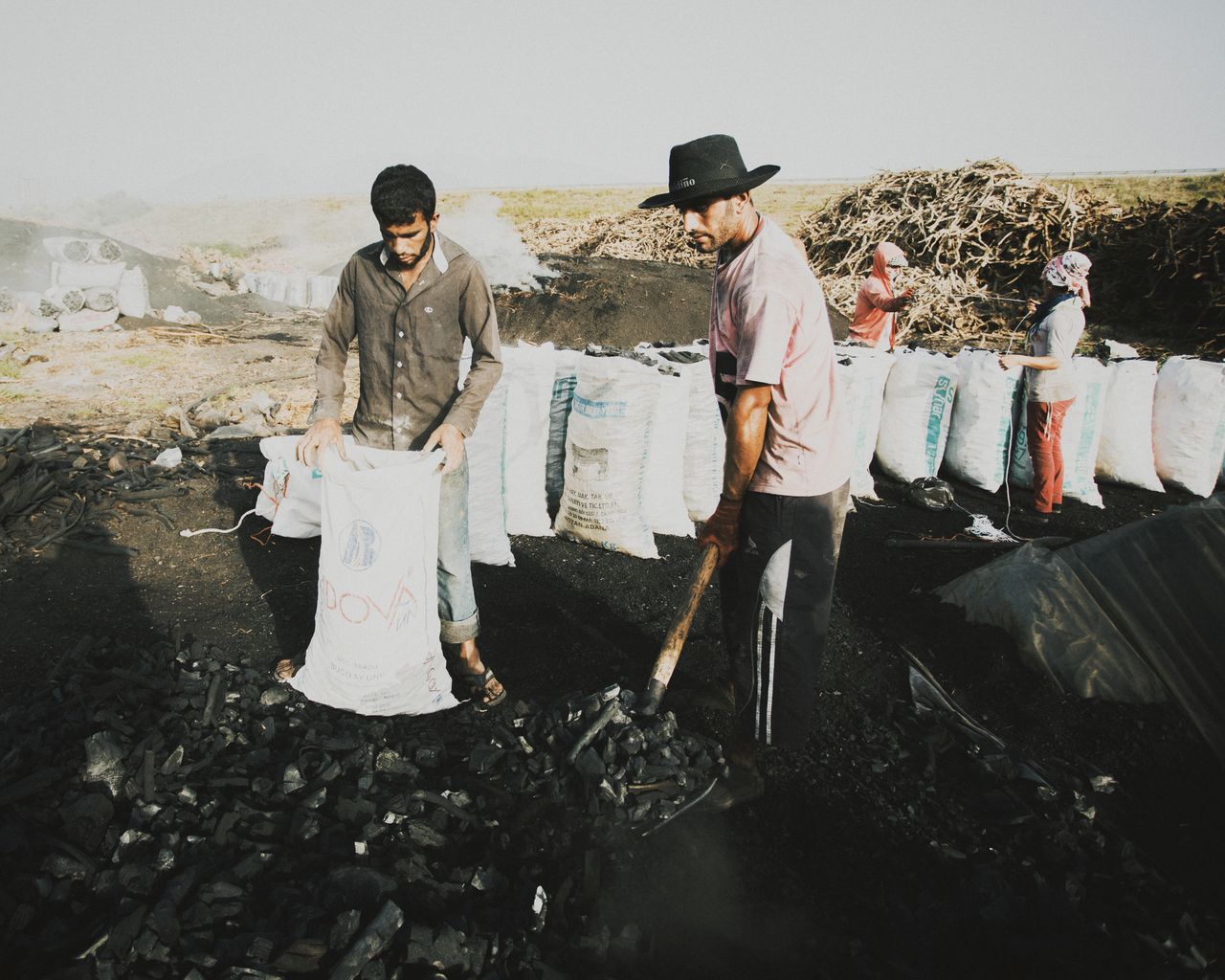
Tropic World Paradise supplies Coconut Shell Charcoal engineered specifically for the performance profile UAE hospitality and shisha buyers require: low ash content, long and stable burn time, and a naturally clean profile free of chemical accelerants. Our charcoal is available in cube, briquette, and lump formats to match both BBQ and shisha applications, sourced from coconut processing operations across Sumatra and Kalimantan and carbonized under controlled conditions for consistent performance across every shipment.
For buyers building a broader hospitality and industrial fuel portfolio, our catalog also includes Carbon Powder for filtration applications and Coconut Husks for buyers with complementary agricultural or industrial needs. Every shipment ships with SVLK legality verification, laboratory analysis confirming ash content and calorific value, ISO 9001:2015 quality certification, and Halal certification, giving UAE-based distributors and hospitality procurement teams the documentation needed to support both direct hospitality supply and re-export arrangements across the wider Gulf region without compliance delays.
Frequently Asked Questions
- What makes coconut shell charcoal better than wood charcoal for UAE hospitality use? Coconut shell charcoal generally delivers lower ash content, longer and more stable burn time, and less smoke than wood-based charcoal, properties that matter directly for continuous restaurant grill service and extended shisha lounge sessions where consistency affects guest experience.
- Why does Indonesian coconut charcoal remain preferred for shisha despite lower-cost Chinese alternatives? Indonesian coconut charcoal is widely regarded as the reference standard for shisha because of its dense, low-ash coconut cube format, while Chinese manufacturers have mainly offered machine-made alternatives positioned on price rather than matching that premium performance profile.
- What is the minimum order quantity for coconut charcoal shipments to the UAE? Standard minimum orders typically start at one 20-foot container, approximately 20 to 25 metric tons, though UAE-based distributors managing both domestic hospitality supply and regional re-export commonly order in larger recurring volumes.
- Why is Jebel Ali Port significant for charcoal buyers beyond UAE domestic demand? Jebel Ali functions as the Middle East’s largest port and a major re-export gateway, with a significant share of imported charcoal moving onward to Saudi Arabia, Egypt, and African markets, making UAE-based import relationships valuable for regional distribution, not just local hospitality supply.
- What certifications should I request when sourcing coconut charcoal for UAE hospitality clients? At minimum, request SVLK legality verification, laboratory analysis confirming ash content and calorific value, and Halal certification where relevant to your hospitality client base, along with ISO 9001:2015 quality certification for consistent production standards.
Ready to Source Premium Coconut Charcoal for Your UAE Hospitality Business?
Whether you’re supplying luxury hotels, BBQ restaurants, or shisha lounges across Dubai and Abu Dhabi, or managing re-export volumes through Jebel Ali to buyers across the wider Gulf region, Tropic World Paradise can structure a shipment that matches your specification and volume requirements. Request an instant quote or browse our full biomass and charcoal product catalog to compare options before you order.