Wood chips used to be the byproduct nobody planned around, whatever was left over after a sawmill finished cutting lumber. In 2026, dedicated supply chains stretch from Indonesian processing plants straight to Japanese pulp mills and biomass power stations, and buyers who once treated wood chips as a commodity afterthought are now negotiating long-term contracts with the same rigor they’d apply to any strategic raw material. Here’s what’s actually happening in the global wood chips market this year, and what serious buyers need to know before sourcing internationally.
What Wood Chips Are Used For, and Why That’s Changing
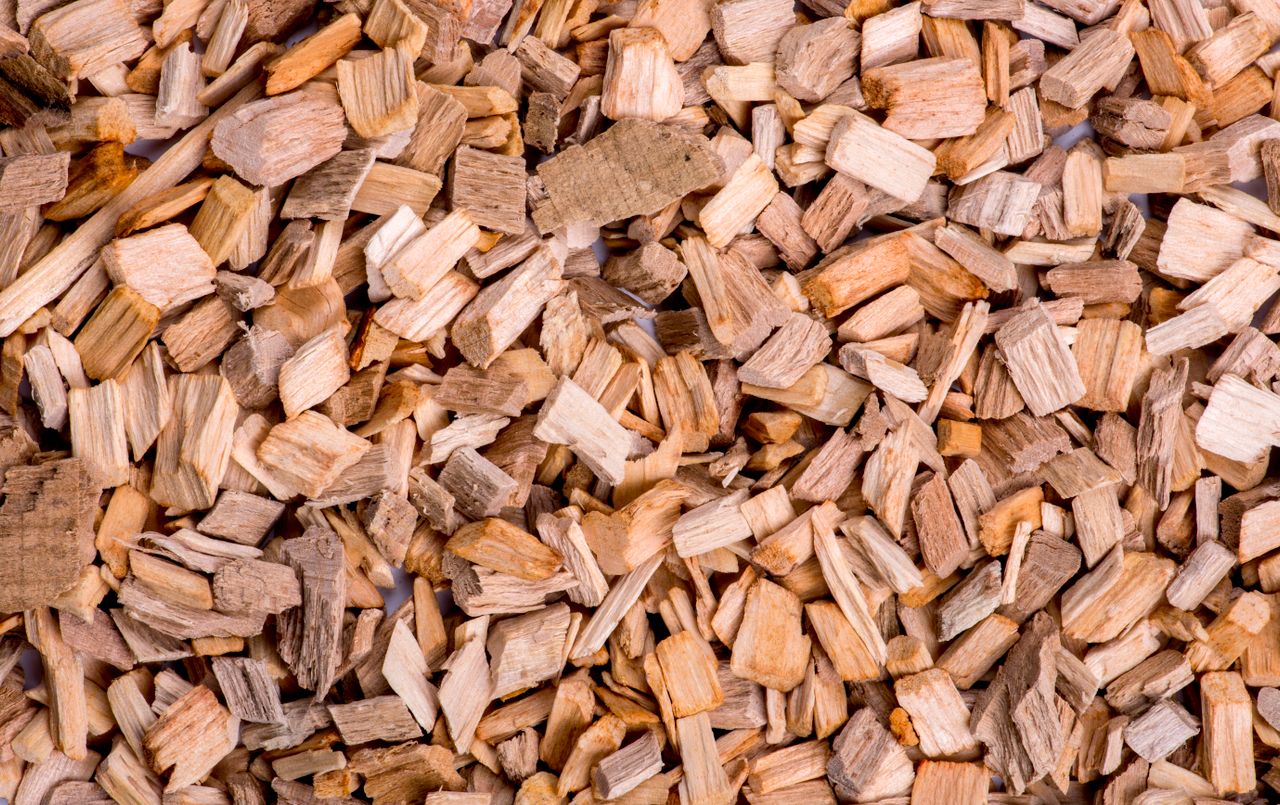
Wood chips are small, uniform pieces of wood produced by mechanically chipping logs, forestry residues, or processing offcuts. Historically their two dominant end markets were pulp and paper manufacturing and, in some regions, landscaping mulch. Today, a third application has grown large enough to reshape the entire trade: biomass power generation.
According to IMARC Group, the global wood chips market was valued at roughly USD 10.8 billion in 2025 and is projected to reach USD 17.0 billion by 2034, growing at a compound annual growth rate of just over 5 percent. Europe currently holds the clearest lead in the market, supported by strong biomass energy policy, established sustainable forestry management practices, and consistently high demand from its pulp and paper sector.
Why Biomass Energy Has Become a Third Major Demand Driver
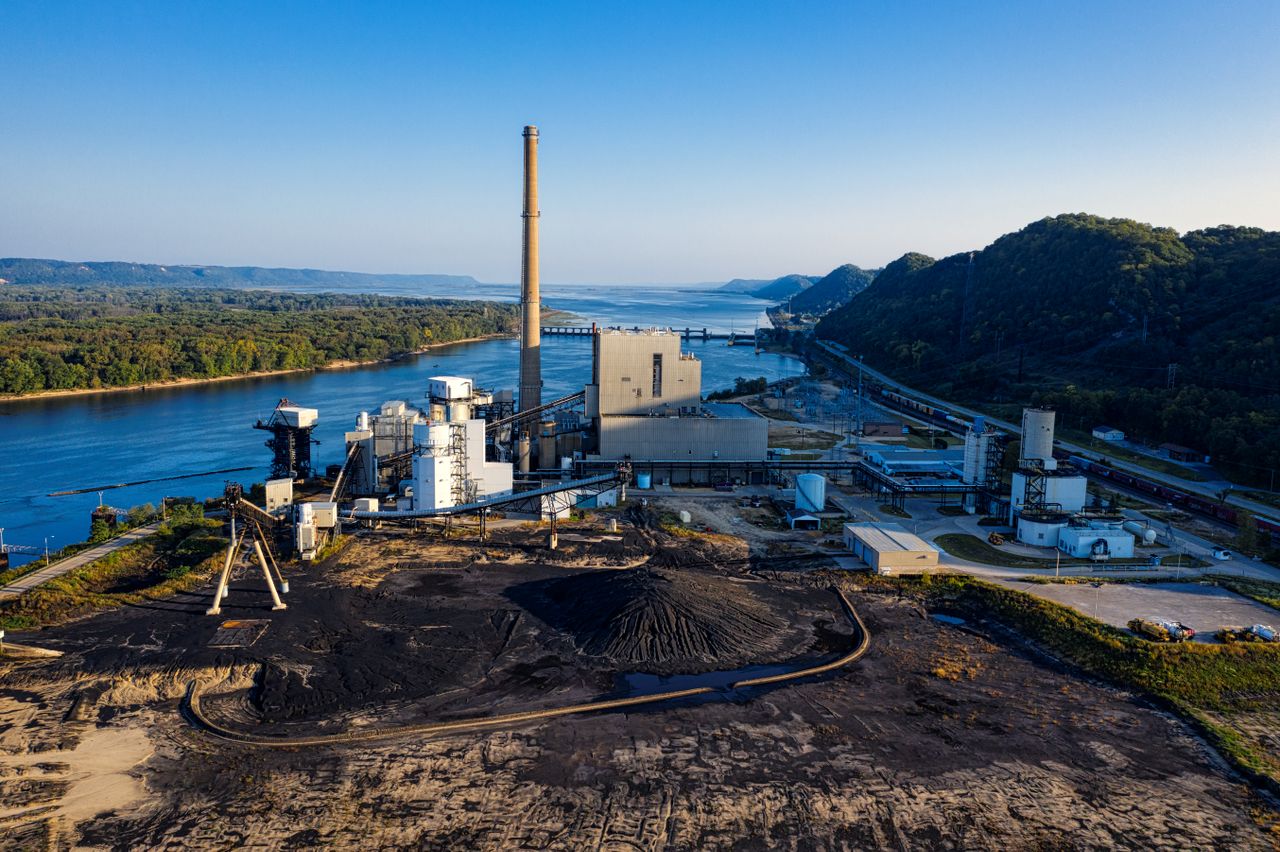
Wood chips are increasingly co-fired or combusted directly in small to mid-scale biomass power and heat plants, a segment that has historically been most developed in Europe, where facilities in the 20 megawatt range commonly run on locally sourced wood. But the more significant recent shift is happening in Asia. Maximize Market Research notes that Japan, already one of the world’s major exporters of wood chips for pulp and paper, is simultaneously ramping up its own domestic use of wood chips for energy generation, driven by its feed-in-tariff subsidy structure for biomass power projects. This dual role, exporting chips for pulp while importing additional volume for its own energy plants, illustrates just how intertwined the pulp and energy demand streams have become.
Where Global Demand Is Concentrated in 2026
Japan, South Korea, and China: The Anchor Markets
Japan, South Korea, and China remain the primary destination markets for internationally traded wood chips, driven by consistent, large-scale raw material needs across both pulp production and, increasingly, biomass energy generation. South Korea’s biomass energy sector in particular has expanded under its Renewable Portfolio Standard obligations, adding further pull to a market already anchored by pulp and paper demand.
Europe’s Policy-Driven Demand
European Commission renewable energy mandates continue to institutionalize wood chips as a core input for regional biomass heat and power infrastructure, while the region’s pulp and paper industry maintains steady baseline demand independent of energy policy shifts. This combination of policy-driven and industrial demand gives Europe one of the more stable long-term demand profiles in the global market.
Indonesia’s Growing Role as a Supply Origin
Indonesia’s position as a wood chip exporter has strengthened alongside its broader growth as a biomass supplier to Japan and South Korea. Industry reporting indicates Indonesia’s licensed biomass processing capacity, including wood pellet and wood chip production, has expanded considerably in recent years, supported by growing port infrastructure and increasing interest from Northeast Asian buyers seeking supply diversification beyond traditional origins.
The Sustainability Scrutiny Buyers Can No Longer Ignore
As demand for Indonesian and broader Southeast Asian wood biomass has grown, so has scrutiny of how that material is sourced. Investigative reporting from Mongabay has documented concerns around forest conversion linked to biomass supply chains feeding Japanese and South Korean subsidy programs, underscoring why legality verification and traceable sourcing have become central issues in this trade rather than a compliance afterthought.
This scrutiny has practical consequences for buyers. Procurement teams, particularly those supplying markets with tightening due diligence expectations, increasingly request documentation resembling EU deforestation regulation standards even when they are not directly shipping into the European Union, because financiers, auditors, and downstream customers now expect that level of traceability as a baseline. In practice, this means legality verification, chain of custody documentation, and consistent laboratory specifications have become the deciding factor in who wins long-term wood chip supply contracts, not just price.
What to Evaluate Before Sourcing Wood Chips in Bulk
Chip Size and Screening Consistency
Pulp mills and biomass boilers are both calibrated for specific chip size ranges, and inconsistent sizing can disrupt feed systems or reduce pulping yield. Buyers should confirm screened particle size distribution rather than accepting unscreened material that may include oversized pieces or excessive fines.
Moisture Content and Calorific Value
For energy applications specifically, moisture content directly determines usable calorific value, since wetter chips require more energy to combust efficiently and can increase ash and slagging issues in boiler systems. Buyers should request laboratory documentation confirming moisture percentage for every shipment rather than relying on general seasoning claims from the supplier.
Legality Verification and Traceability Documentation
Given the sustainability scrutiny now facing Southeast Asian wood biomass supply chains, buyers should prioritize suppliers who can provide SVLK legality verification and FSC Chain of Custody documentation as standard practice, not as a premium add-on. This documentation increasingly determines whether a shipment clears customs smoothly in destination markets with tightening import compliance requirements.
Sourcing Certified Wood Chips from Indonesia
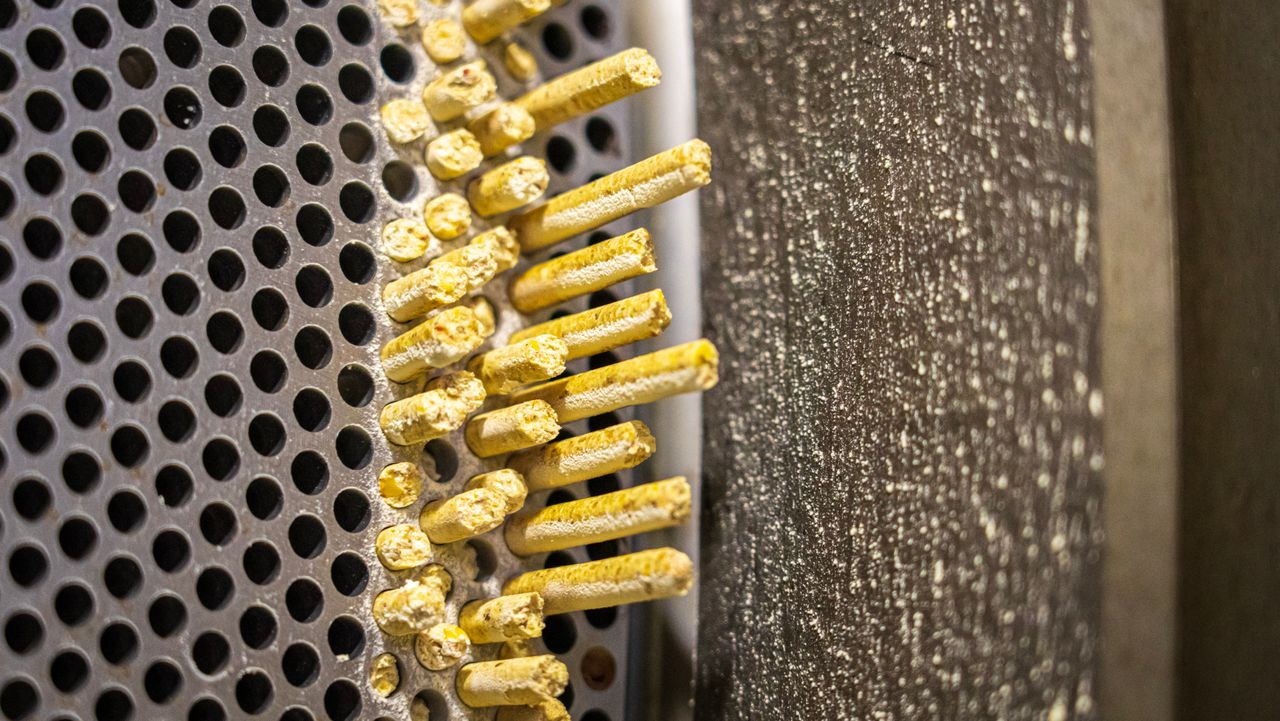
Tropic World Paradise supplies Wood Chips processed for consistent particle size and low moisture content, sourced from sustainably managed operations across Sumatra and Kalimantan. For buyers building a broader biomass fuel portfolio, wood chips pair naturally with other products in our catalog, including Wood Pellets for facilities requiring denser, uniform processed fuel, Bamboo Chips as a fast-renewing alternative feedstock, and Wood Logs for buyers with direct-fire combustion requirements. Every shipment ships with ISO 9001:2015 quality certification, FSC Chain of Custody documentation, SVLK legality verification, and laboratory analysis confirming moisture content and particle specification, giving procurement and sustainability teams the paperwork needed to satisfy compliance and customs clearance without delay.
Frequently Asked Questions
- What is the difference between wood chips used for pulp versus energy applications? Pulp-grade wood chips require tighter species and size consistency to support the pulping process, while energy-grade chips prioritize moisture content and calorific value, since combustion efficiency depends heavily on those specifications rather than fiber quality.
- Why has Japan become both a major exporter and importer of wood chips? Japan exports wood chips for pulp and paper production while simultaneously increasing its own domestic consumption of wood chips for biomass energy generation under its feed-in-tariff subsidy framework, reflecting two distinct but overlapping demand streams within the same country.
- Is wood chip sourcing from Indonesia subject to sustainability scrutiny? Yes. Given documented concerns around forest-linked biomass supply chains feeding Japanese and South Korean subsidy programs, buyers increasingly require legality verification and traceable chain of custody documentation before finalizing supply agreements.
- What moisture content should industrial wood chips have for energy applications? Lower moisture content generally supports higher usable calorific value and more efficient combustion; buyers should request specific laboratory-confirmed moisture percentages for their shipment rather than relying on general supplier claims.
- What documentation should I request when sourcing wood chips internationally? At minimum, buyers should request SVLK legality verification, FSC Chain of Custody documentation where required, and laboratory analysis confirming moisture content and particle size distribution for each shipment.
Ready to Source Certified Wood Chips for Your Operation?
Whether you’re supplying a pulp mill, a biomass power facility, or an industrial boiler system, Tropic World Paradise can structure a shipment that matches your particle size, moisture, and documentation requirements. Request an instant quote or browse our full biomass product catalog to compare options before you order.