Wood shavings rarely get much attention as a traded commodity, yet the material scraped off logs during lumber processing now underpins a fast-growing global market spanning poultry farms, equestrian stables, biomass pellet plants, and sustainable packaging lines. For buyers trying to understand where demand is concentrated and how to source consistent quality at scale in 2026, the wood shavings market has quietly become far more sophisticated than its low-cost reputation suggests.
What Are Wood Shavings, and Why Do So Many Industries Depend on Them?
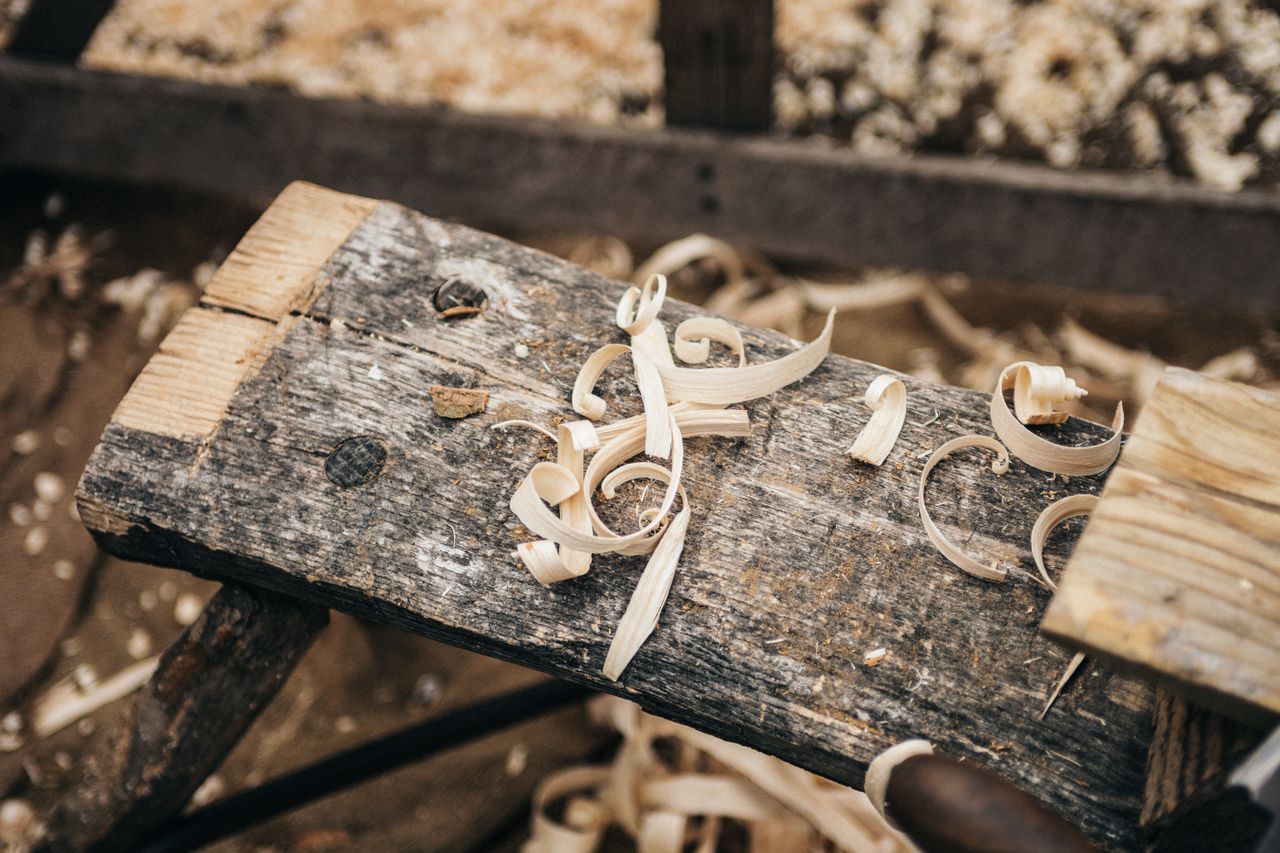
Wood shavings are thin curls or fine particles of wood generated as a byproduct of planing, milling, and lumber processing operations. Unlike sawdust, shavings retain more structure and fiber length, giving them better absorbency, lower dust generation, and a lighter, more cushioning texture, properties that explain why the material shows up across such a wide range of unrelated industries.
According to Maximize Market Research, the global wood shavings market was valued at approximately USD 10.54 billion in 2025 and is projected to grow at a compound annual growth rate of 11.5 percent through 2032, reaching close to USD 22.58 billion. That growth trajectory reflects a material that has moved well beyond its traditional role as a low-value sawmill residue into a genuine, demand-driven export category.
Why Wood Shavings Outperform Sawdust in Many Applications
Wood shavings maintain enough fiber length to resist compacting and clumping the way finer sawdust does, which is precisely why livestock and poultry operations prefer shavings for bedding despite sawdust often being cheaper. This structural advantage also makes shavings more effective as a cushioning packaging filler, since the material absorbs shock without breaking down into fine, difficult-to-contain dust.
The Three Demand Streams Driving the 2026 Wood Shavings Market
Poultry and Livestock Bedding: The Largest Volume Segment
Poultry bedding represents the single largest volume application for wood shavings globally. Commercial poultry operations require bedding that is highly absorbent to manage moisture from droppings, low in dust to protect bird respiratory health, and consistently uniform for even floor coverage, since bedding quality directly affects flock health and, in turn, per-bird production economics. Because bedding cost has a direct line to farm margins, poultry operators are especially sensitive to both price stability and supply consistency, making reliable, documented sourcing a genuine competitive advantage for suppliers.
The Equine Bedding Segment: Smaller Volume, Higher Value
While poultry consumes the largest overall volume, the equine bedding segment commands the strongest quality premium. Wood shavings hold roughly 45 to 48 percent share of the broader animal bedding products market, and within the equine segment specifically, buyers increasingly favor kiln-dried, dust-extracted shavings for their role in protecting horses from respiratory conditions during extended stall time. This shift toward premium, processed shavings creates a meaningful opportunity for suppliers who can consistently deliver low-dust, low-moisture material with documented specifications, rather than competing purely on price with unprocessed alternatives.
Biomass Energy and Pellet Feedstock
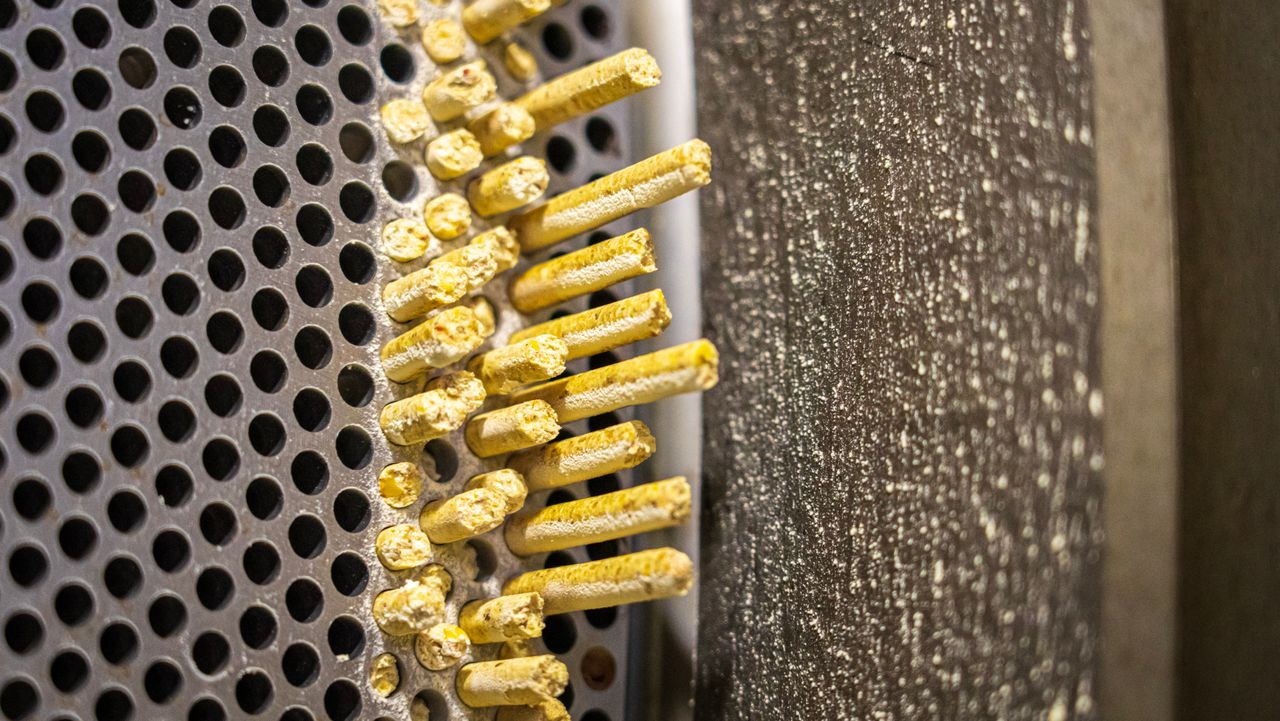
Wood shavings are also an established feedstock for wood pellet and biomass fuel production, and this dual-use nature creates an interesting dynamic in the market: rising demand for wood pellets in renewable energy applications has, in some regions, tightened the availability of shavings for the bedding sector, since pellet producers and bedding processors are effectively competing for the same underlying raw material. Buyers building long-term procurement strategies should understand that shaving availability and pricing can be influenced by biomass energy demand cycles, not just agricultural demand alone.
Sustainable Packaging: The Fastest-Growing New Application
As regulations increasingly restrict single-use plastic packaging, wood shavings have found a new role as a biodegradable cushioning and protective filler for shipping fragile goods. This application is still smaller in overall volume than bedding or energy uses, but it represents one of the fastest-growing demand categories, driven by e-commerce sustainability commitments and tightening packaging waste regulations across Europe and North America.
What Buyers Should Evaluate Before Sourcing Wood Shavings in Bulk
Moisture Content and Dust Levels
Moisture content directly affects both usability and shelf stability, since overly damp shavings are prone to mold growth during storage and transit, while excessively dry material can generate more airborne dust during handling. Buyers, particularly those supplying poultry or equine markets, should request documentation confirming moisture percentage and dust content rather than relying on visual inspection of a sample batch.
Species and Particle Consistency
Wood species affects both the absorbency and the safety profile of shavings, since certain wood types can pose health risks to sensitive animals when used as bedding. Buyers should confirm species composition and request assurance that the material is free of bark, nails, and other contaminants that occasionally end up in poorly screened processing residues.
Supply Reliability Amid Competing Demand
Given that biomass energy producers and bedding processors increasingly draw from the same raw material pool, buyers with continuous demand, such as large commercial poultry operations or pellet manufacturers, benefit from working with suppliers who source from multiple mills and maintain buffer inventory, reducing exposure to price volatility driven by competing sector demand.
Sourcing Reliable Wood Shavings from Indonesia
Tropic World Paradise supplies Wood Shavings as a lightweight, absorbent biomass material suited to energy production, packaging, and industrial applications, sourced from processing operations across Sumatra and Kalimantan. For buyers building a broader biomass and agricultural input portfolio, wood shavings pair naturally with other products in our catalog, including Wood Pellets for buyers with combined bedding and energy sourcing needs, Rice Husks as a complementary absorbent bedding material, and Wood Chips for buyers requiring a coarser biomass fuel option. Every shipment ships with ISO 9001:2015 quality certification, laboratory analysis confirming moisture content, and SVLK legality verification, giving procurement teams the documentation needed for compliance and customs clearance without delay.
Frequently Asked Questions
- What is the difference between wood shavings and sawdust for animal bedding? Wood shavings retain longer fiber structure than sawdust, giving them better absorbency and lower dust generation, which is why livestock and poultry operations generally prefer shavings despite sawdust typically being less expensive.
- Why do horse owners prefer kiln-dried wood shavings over standard shavings? Kiln-dried, dust-extracted shavings reduce airborne dust that can contribute to respiratory issues in horses, which spend extended periods of time in enclosed stalls, making low-dust bedding a genuine animal welfare consideration rather than just a comfort preference.
- Are wood shavings and wood pellets competing for the same raw material? Yes, in some regions. Since both bedding processors and biomass pellet producers draw on similar wood residue feedstock, rising demand for pellets in renewable energy applications can tighten shaving availability and affect pricing for the bedding sector.
- Can wood shavings be used as sustainable packaging material? Yes, wood shavings are increasingly used as a biodegradable cushioning filler for shipping fragile goods, driven by regulations restricting single-use plastic packaging and growing e-commerce sustainability commitments.
- What documentation should I request when sourcing wood shavings internationally? Buyers should request laboratory documentation confirming moisture content and species composition, along with legality verification such as SVLK, particularly for shipments intended for sensitive applications like poultry or equine bedding.
Ready to Source Reliable Wood Shavings for Your Operation?
Whether you’re supplying a commercial poultry farm, an equestrian bedding distributor, or a biomass pellet production line, Tropic World Paradise can structure a shipment that matches your moisture and quality specifications. Request an instant quote orbrowse our full biomass product catalog to compare options before you order.