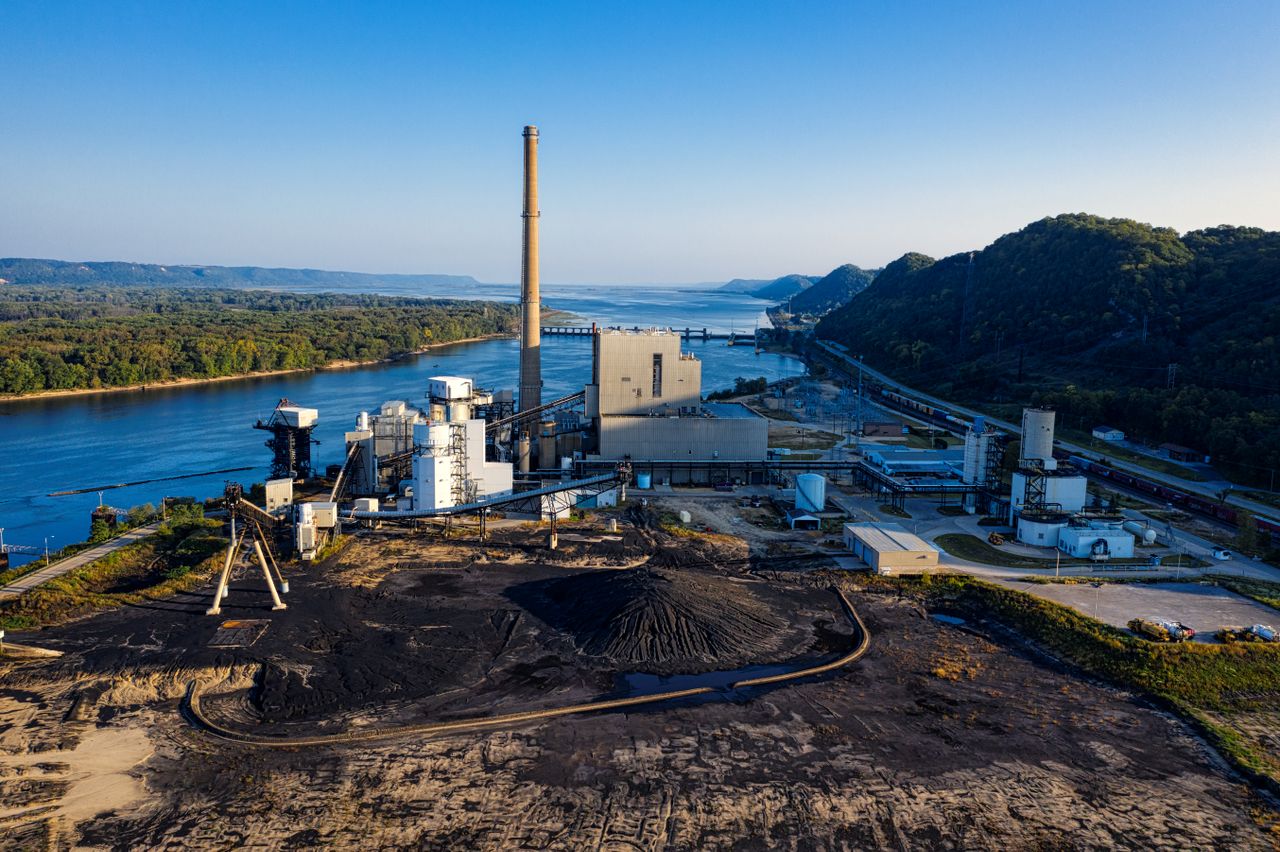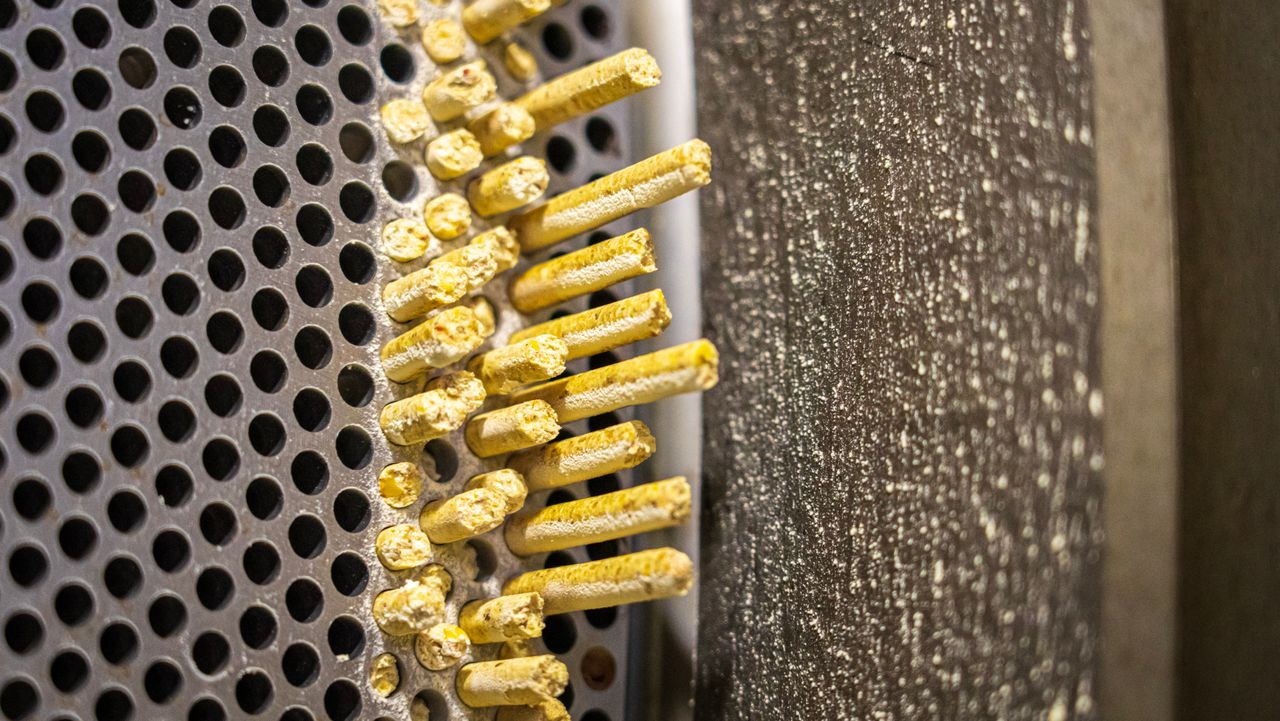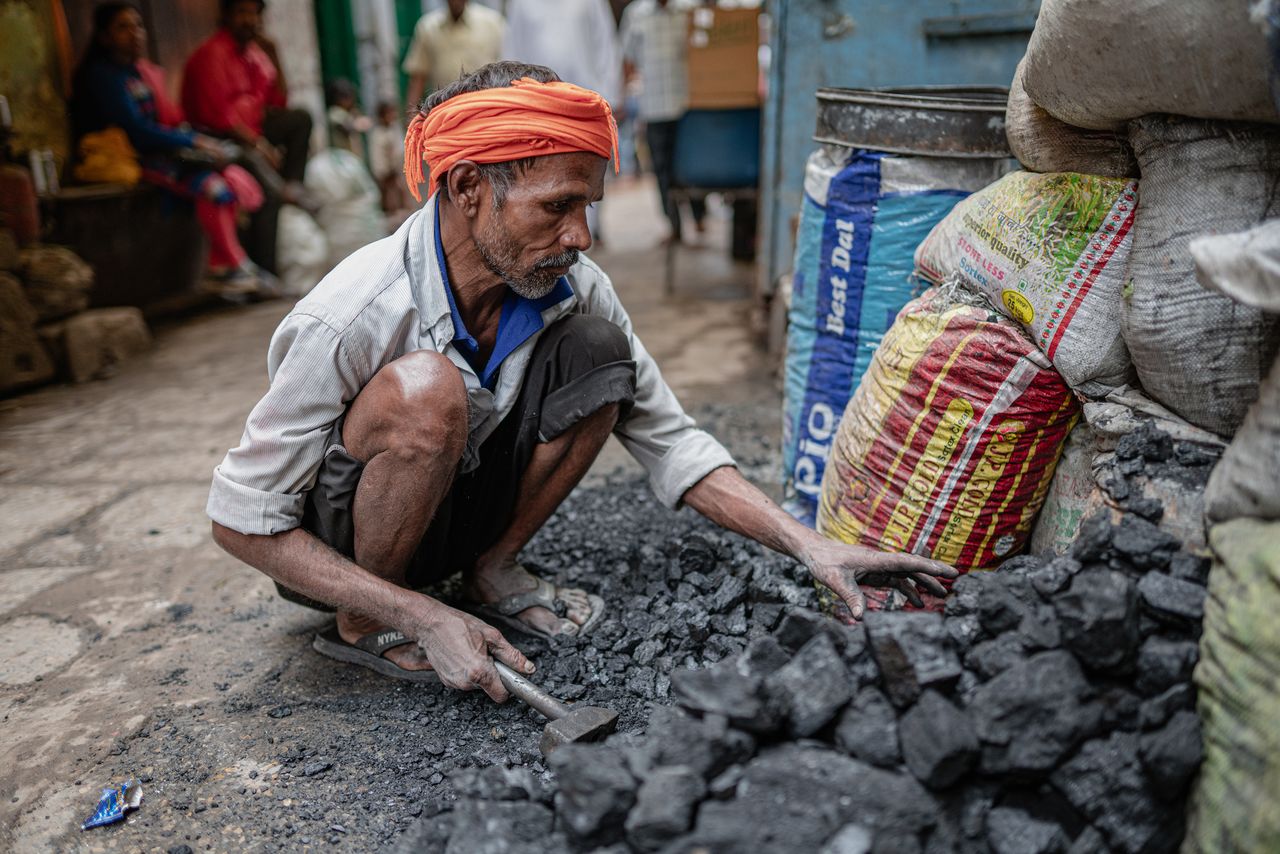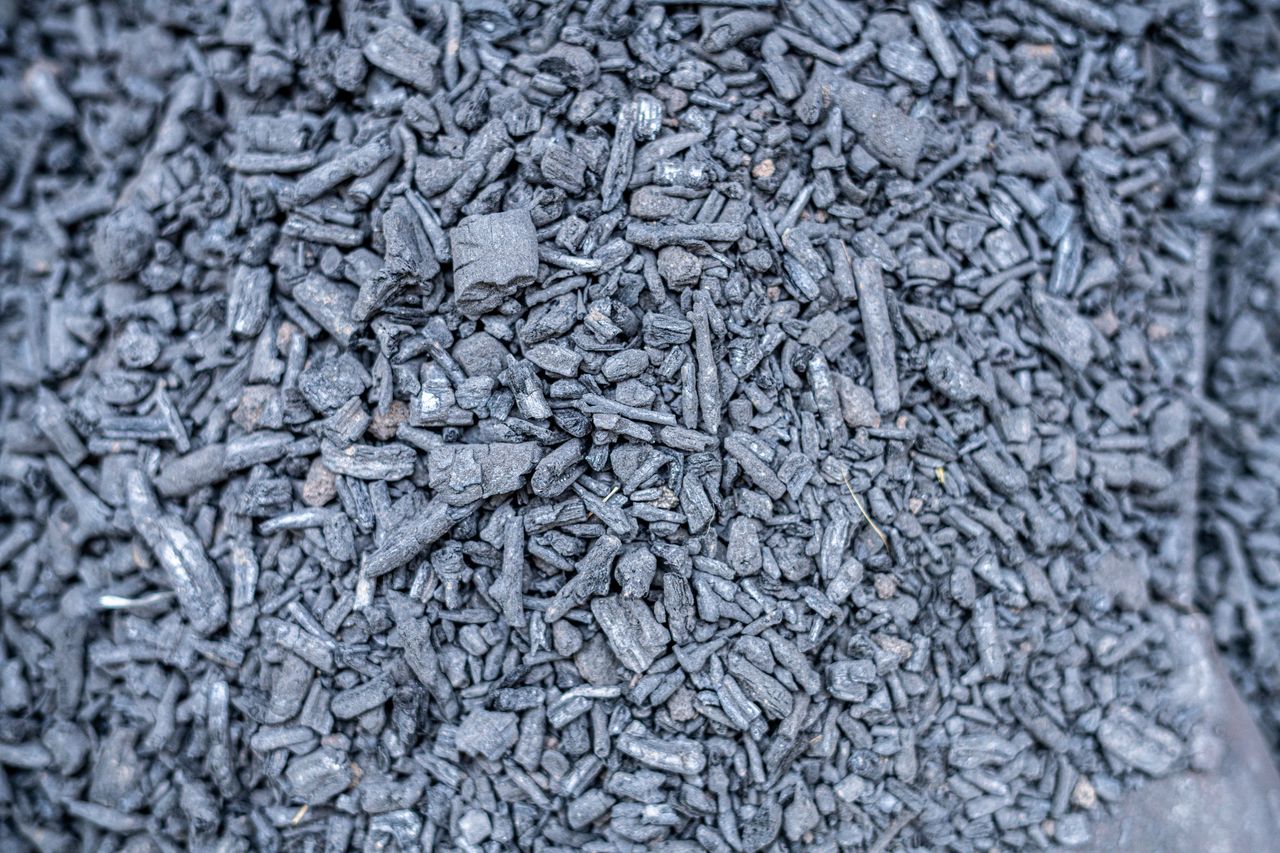
China charcoal import requirements have become considerably more detailed since the start of 2026, and understanding them matters more than ever given the sheer scale of China’s position in this trade. China is not just a significant charcoal buyer, it’s the single largest charcoal importing country in the world. According to trade data compiled by Vietnam Charcoal’s 2026 industry analysis, the top five charcoal importing countries China, Saudi Arabia, Japan, South Korea, and the United States together account for 38.5% of global charcoal imports, roughly $675 million out of a $1.75 billion global total, with China sitting at the very top of that list. For Indonesian exporters and the trading partners who work with them, this article breaks down why China’s import volume is so significant, why Indonesian charcoal fits China’s sourcing needs, and what compliance requirements changed in 2026 that every buyer needs to understand.
China Is the World’s Largest Charcoal Importer — By a Wide Margin
China’s position at the top of the global charcoal import market reflects the scale of its domestic consumption across barbecue, shisha, industrial, and retail applications, feeding a population and commercial food service sector far larger than any other single importing country. This scale creates consistent, high-volume demand that few origin countries can supply reliably which is precisely where Indonesia’s production capacity becomes relevant.
Indonesia currently holds roughly 23% of global charcoal exports, generating well over $350 million in export value according to recent trade data, positioning it among the top charcoal exporting nations worldwide. Indonesia’s specific strength lies in coconut shell charcoal a category where it holds a dominant global production position, driven by the country’s massive coconut processing industry, which generates coconut shell as a steady, low-cost raw material byproduct rather than requiring dedicated timber harvesting.
Why Indonesian Charcoal Fits China’s Import Needs
Sourcing decisions in the charcoal trade generally come down to matching product type to origin strength, and Indonesia’s specialization in coconut shell charcoal lines up directly with strong Chinese demand across shisha charcoal, BBQ briquettes, and industrial carbon feedstock applications. Coconut shell charcoal’s dense, consistent-burning characteristics and relatively straightforward sustainability profile since it’s produced from an agricultural byproduct rather than harvested forest timber make it a practical fit for buyers managing large-volume, recurring procurement rather than small specialty orders.
The Compliance Requirements Buyers Need to Know in 2026
HS Code Classification and Tariff Treatment
Charcoal entering China is classified under HS code 4402, with shisha and BBQ charcoal typically falling under the 4402.20 subheading. Buyers and suppliers need to ensure this classification is applied correctly and consistently across shipping documentation, since misclassification including confusion between charcoal (HS 4402) and activated carbon (HS 3802), two genuinely distinct product categories can create customs clearance delays. China’s VAT law, which took effect January 1, 2026, is also a relevant compliance factor buyers should confirm with their customs broker when calculating landed cost.
Dangerous Goods Shipping Requirements Under IMDG 42-24
The single most significant regulatory shift affecting charcoal imports into China in 2026 is the mandatory enforcement of IMDG Code Amendment 42-24. Detailed analysis published by charcoal.pro’s China import guide explains that this amendment eliminated a previous self-heating test exemption that had allowed coconut shell charcoal to ship as ordinary dry cargo under certain conditions. As of January 1, 2026, effectively all charcoal moving by sea into China must be classified and handled as Dangerous Goods, since charcoal’s porous carbon structure can absorb atmospheric oxygen and generate heat through oxidation in the confined, sealed environment of a shipping container.
This change carries real cost and documentation implications buyers should confirm that their Indonesian supplier is already structuring shipments with DG-compliant packaging, proper labeling, and the documentation required under current regulations, rather than assuming older shipping arrangements still apply.
Port Storage and Detention Costs
A less obvious but financially significant consequence of the DG classification shift involves container handling at Chinese ports. Dangerous goods containers typically receive only a few days of free storage time at Chinese terminals, compared to a full week for standard general-purpose containers, with storage and detention charges escalating meaningfully once that free period expires. Buyers planning shipment schedules and customs clearance timelines should factor this shortened window into their logistics planning, since a routine customs inspection hold that would have been a minor inconvenience under general cargo rules can now translate into real additional cost under DG container terms.
What This Means for Buyers Sourcing Charcoal from Indonesia
Given China’s position as the world’s largest charcoal importer, and given how much the 2026 regulatory environment has raised the compliance bar, the practical takeaway for buyers is straightforward: supplier selection now needs to weigh documentation and shipping readiness as heavily as product price and quality. A supplier who has already adapted to DG-compliant packaging, correct HS code classification, and realistic port storage timelines offers a materially lower-risk sourcing relationship than one still operating under pre-2026 shipping assumptions. Buyers exploring Indonesian coconut shell charcoal for the Chinese market can review our coconut shell charcoal product page for specification and documentation details relevant to this trade.
Frequently Asked Questions
- Is China really the largest charcoal importing country in the world? Yes. China leads the top five global charcoal importers alongside Saudi Arabia, Japan, South Korea, and the United States which together account for roughly 38.5% of global charcoal import value.
- What HS code applies to charcoal imports into China? Charcoal generally falls under HS code 4402, with shisha and BBQ charcoal typically classified under the 4402.20 subheading. This is distinct from activated carbon, which falls under HS code 3802.
- What changed for charcoal shipping to China in 2026? IMDG Code Amendment 42-24, effective January 1, 2026, eliminated a previous self-heating test exemption, meaning nearly all charcoal shipped by sea into China now requires Dangerous Goods classification and handling.
- Why does port storage cost more for charcoal shipments now? Because charcoal now typically ships as a Dangerous Goods container, it generally receives a shorter free storage period at Chinese ports compared to standard general-purpose containers, with escalating charges once that window expires.
- Why is Indonesian charcoal well suited to Chinese import demand? Indonesia holds a dominant global position in coconut shell charcoal production, driven by its large coconut processing industry, giving it the consistent, high-volume supply capacity that matches China’s scale of demand.
Ready to Source Compliant Charcoal for the Chinese Market?
Whether you’re managing DG-compliant shipping documentation or evaluating a new Indonesian supplier, our team can walk you through specification, classification, and current 2026 compliance requirements for exporting to China.